Loud Snoring and Weight Gain: Doctors Warn of Oxygen Deprivation During Sleep
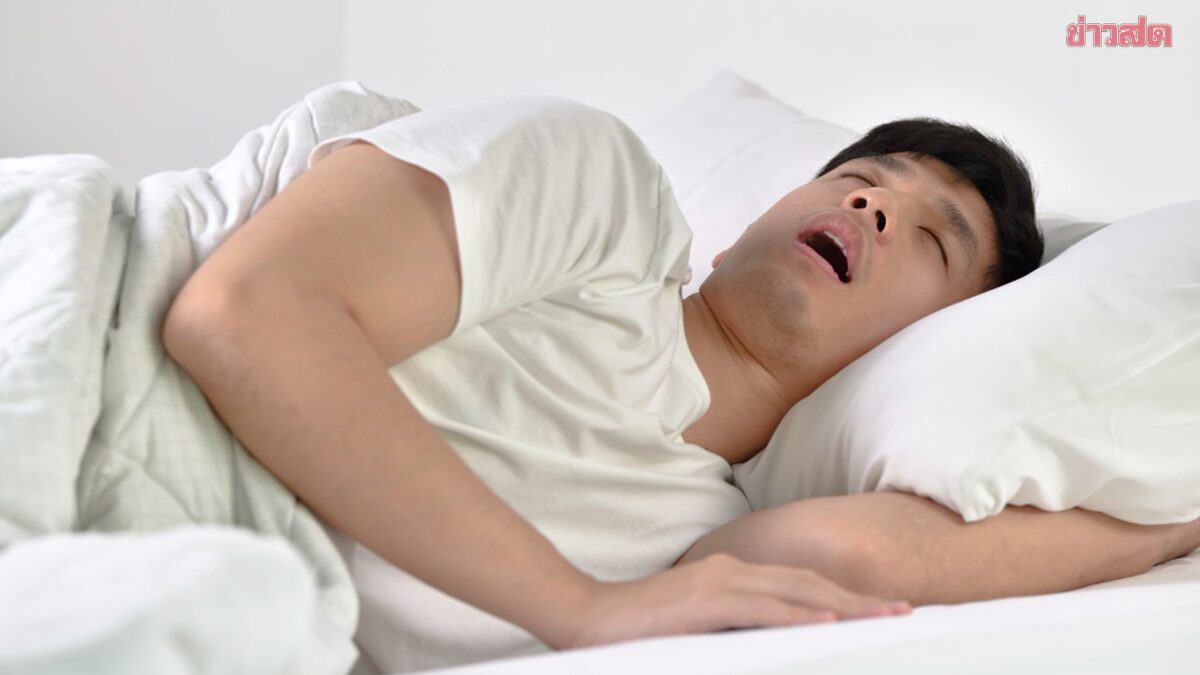
A 50-year-old man named Zhou has been experiencing increasingly loud snoring over the past few years. He frequently feels tired during the day, experiences drowsiness, gained 10 kilograms in weight, and has difficulty controlling his blood pressure. Medical examination revealed he has severe sleep apnea.
Dr. Chen Boyue, director of the Ear, Nose, and Throat Department at Wanfang Hospital, explained that over 80% of patients consulting for snoring problems are diagnosed with Obstructive Sleep Apnea (OSA). This condition involves repeated airway blockages during sleep, causing intermittent oxygen deprivation.
The stress from oxygen deficiency stimulates the sympathetic nervous system, causing rapid heart rate and severe blood vessel constriction. This leads to abnormally high blood pressure at night. Over time, blood vessel walls become damaged and hardened, significantly increasing the risk of heart arrhythmia, heart muscle death, and stroke.
Dr. Chen emphasized that winter is a period with frequent sudden deaths. Cold weather already causes blood vessel constriction, and when combined with nighttime oxygen deprivation from sleep apnea, the heart's burden reaches its limit. Clinical experience shows that more than half of hypertension patients also have sleep apnea.
Moreover, sleep apnea makes weight loss difficult. The condition disrupts important hormones like leptin (which decreases, reducing the feeling of fullness) and ghrelin (which increases, boosting appetite). This creates a vicious cycle: "The more overweight, the more you snore; the more you snore, the more overweight."
After receiving comprehensive treatment including minor surgery, weight loss medication, and positive airway pressure therapy, Zhou's hormones became balanced, his high-energy food cravings reduced, blood pressure stabilized, and he successfully lost weight.
Dr. Chen warns that body weight and sleep apnea affect each other. Weight control and positive airway pressure breathing devices are highly effective. He stresses that this condition is treatable, and addressing it seriously can restore physical performance, body shape, and quality of life while protecting heart and blood vessel health.