Is Gray Beef Really Spoiled? Expert Tips on Identifying Fresh Meat
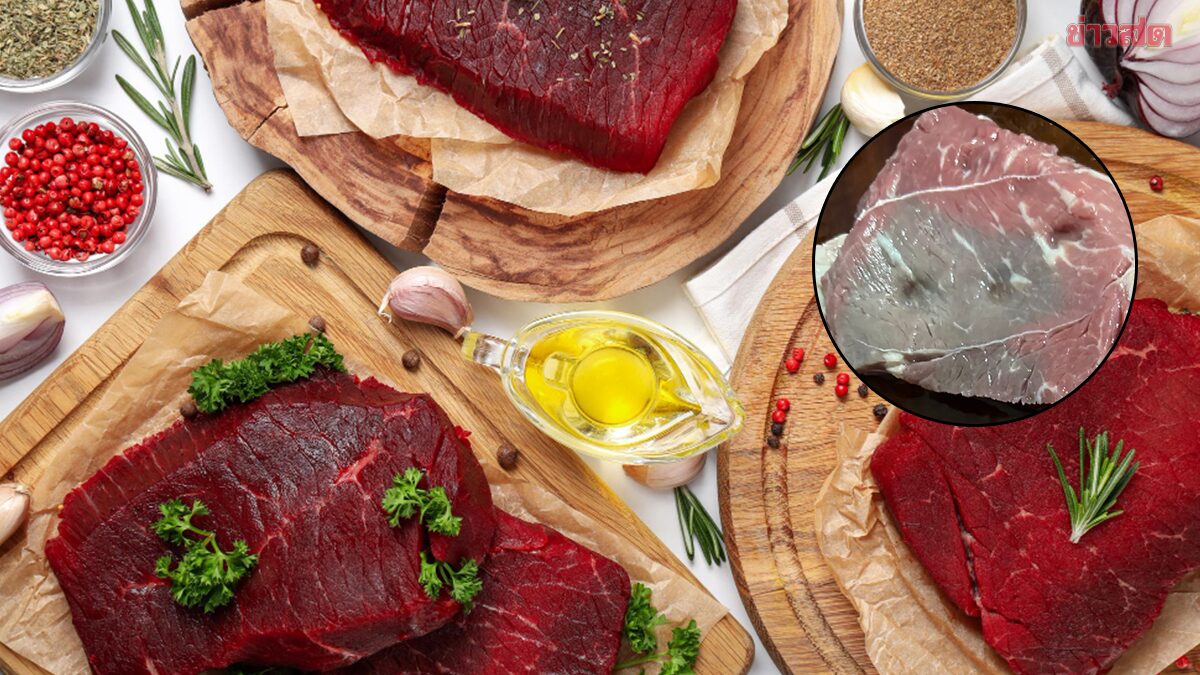
Many people avoid or discard beef that has turned gray or dark brown, worried about its safety. However, is this understanding correct?
The common belief that "gray beef means it's rotten and must never be eaten" is frequently encountered when buying meat. Many people use "color" as the primary criteria, immediately considering the meat unsafe if it's not bright red.
From a food science perspective, the gray color on beef doesn't always mean it's spoiled. In many cases, this is simply a natural biochemical reaction of meat when deprived of oxygen, which is entirely different from bacterial decomposition.
Beef color is determined by myoglobin, a muscle protein that stores oxygen. After slaughter, most blood is drained. The red liquid many people see is actually myoglobin, not blood. Myoglobin can exist in various states, each producing different colors:
- Complete oxygen deprivation can cause meat to appear dark purple or reddish-purple, often found in the inner parts of large meat cuts or vacuum-sealed meat. This is not a spoilage signal.
- Low oxygen exposure causes partial oxidation, resulting in grayish-brown or dark brown colors that worry many people. In reality, this only reflects prolonged oxygen deprivation.
When exposed to sufficient air, myoglobin binds with oxygen, creating a bright "cherry red" color most commonly seen and considered most appetizing on supermarket meat shelves.
When is gray beef still safe?
In practice, two common scenarios exist:
1. Red exterior, gray interior: When cutting large meat pieces, the air-exposed parts remain bright red, while covered sections turn gray. This is normal, and exposing the gray section to air for 20-30 minutes can restore the red color.
2. Slightly gray meat without odor or sliminess: The meat's texture might slightly decrease, but it's not necessarily health-threatening, especially if still within storage time and properly refrigerated.
Conversely, beef that is uniformly gray, with sour or ammonia-like odors, slimy texture, or crumbly consistency is clearly spoiled and should not be consumed.
For frozen meat, white-gray frost might indicate "freezer burn" from improper storage. While not toxic, the meat will be dry and tough. Cut off these sections before cooking.
Expert advice: Don't rely solely on color. Consider texture, smell, storage conditions, and overall appearance when determining meat safety.