Thawi Highlights 3 Urgent Agendas: Clearing Student Loans, Land Unlocking, and Anti-Corruption Efforts
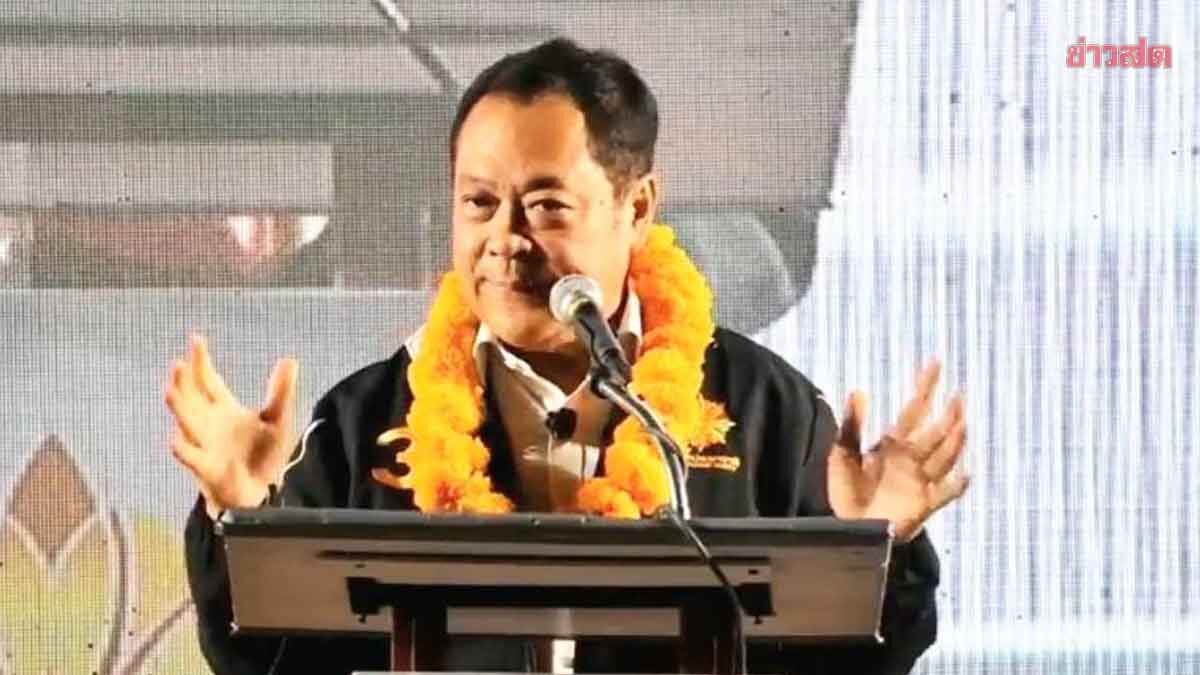
Thawi, leader of the Prachachat Party, presented three urgent policy agendas focused on clearing student loans, unlocking land access, and combating corruption, with a goal of reducing corruption to 0%.
During a Nation TV interview on January 30, 2024, Pol. Col. Thawi Sodsong, the party's leader and prime ministerial candidate, discussed the party's three key urgent policies if they join the government. He emphasized that Thailand is facing structural problems that require immediate solutions to improve citizens' quality of life and create social fairness.
The first urgent policy is addressing educational debt, specifically student loans from the Student Loan Fund (SLF). Thawi stated, "We will suspend loan repayments for those who have completed their payment schedule, to reduce the burden on young people and provide economic opportunities." He estimated this measure would impact over 3 million borrowers nationwide.
The second urgent policy focuses on land reform. The Prachachat Party will push for amnesty in cases where forest areas overlap with citizens' farmlands, to resolve conflicts between the state and rural populations. Thawi noted that land ownership is a chronic issue directly affecting people's lives, with many long-time land occupants being viewed as encroachers.
The third urgent policy concentrates on strengthening legal principles and governance by cracking down on drugs, influential figures, and corruption. Thawi set an ambitious target of reducing corruption to 0%, proposing to use the Revenue Code, Article 49, as a primary tool to investigate income sources and assets.
"If anyone has abnormal asset increases, they must explain where the money comes from. If they cannot explain, they will face tax and legal processes," Thawi emphasized.
These three policy areas are designed to address long-standing structural problems, covering everything from student education debt to farmers' land security and national governance reform.