5 Common Mistakes When Washing Vegetables
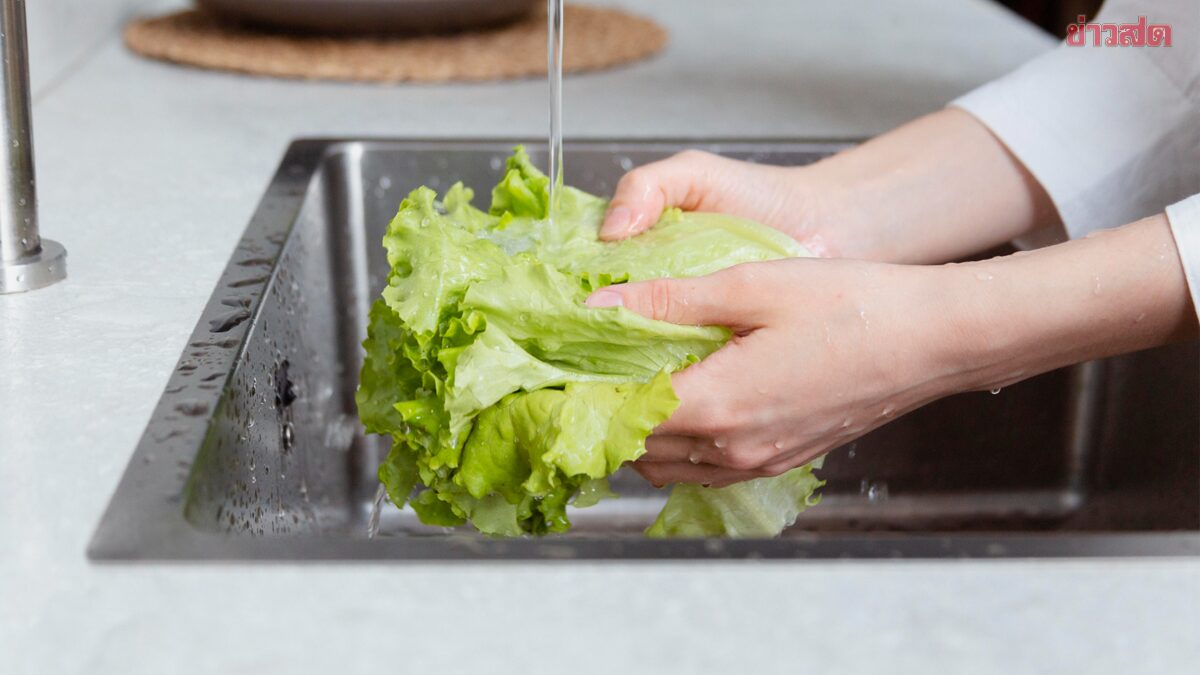
Time to change! 5 incorrect vegetable washing methods that many people don't know about and continue to use, which risk reducing benefits and increasing hidden chemical residues.
Vegetables are a key ingredient in healthy meals, but did you know that washing vegetables incorrectly can leave chemical residues or unnecessarily destroy nutritional value? Many long-held beliefs may no longer match current hygiene standards. Check if you're making these 5 vegetable washing mistakes:
1. Soaking Vegetables for a Long Time
This is a top misconception. Many people think longer soaking removes more chemicals, but in reality, prolonged water exposure may cause vegetables (especially leafy greens) to reabsorb dissolved chemicals. Additionally, water-soluble vitamins like Vitamin C and B can be lost.
Correct Method: Soak vegetables in clean water for only 10-15 minutes, then rinse with running water to remove dirt and residues.
2. Using Excessive Salt
Salt can help remove some insects or larvae, but it's not effective for removing all agricultural chemicals. Using too much salt can make vegetables wilt, bruise, and lose their fresh crispness.
Correct Method: If using salt, use only a small amount and always rinse thoroughly with running water. Don't soak in concentrated salt water for long periods.
3. Vinegar or Baking Soda as Universal Cleaners
Many believe these kitchen staples can remove chemicals "universally", but different chemicals respond differently to acid-alkaline solutions. Incorrect proportions might actually leave new residues on vegetables.
Correct Method: Use recommended proportions, avoid over-concentration, and rinse multiple times with clean water for safety.
4. Washing Multiple Vegetables Together
Washing different vegetables in the same basin might seem convenient but risks cross-contamination. Vegetables with more soil, residue, or chemicals can spread these to cleaner vegetables.
Correct Method: Wash vegetables separately, especially those eaten raw like salad greens.
5. Washing After Peeling
Many overlook this, but if you don't wash before peeling, knives can transfer chemical residues from the skin into the vegetable's flesh without you realizing.
Correct Method: Always wash entire vegetables or fruits before peeling, even if you plan to discard the skin.
Recommended Safe Washing Method:
- Separate or remove leaves before washing
- Soak in clean water for 10-15 minutes
- Rinse each leaf or piece under running water
- Drain thoroughly before cooking