Doctor Warns: 3 High-Risk Spots in Public Restrooms, Not the Toilet Seat
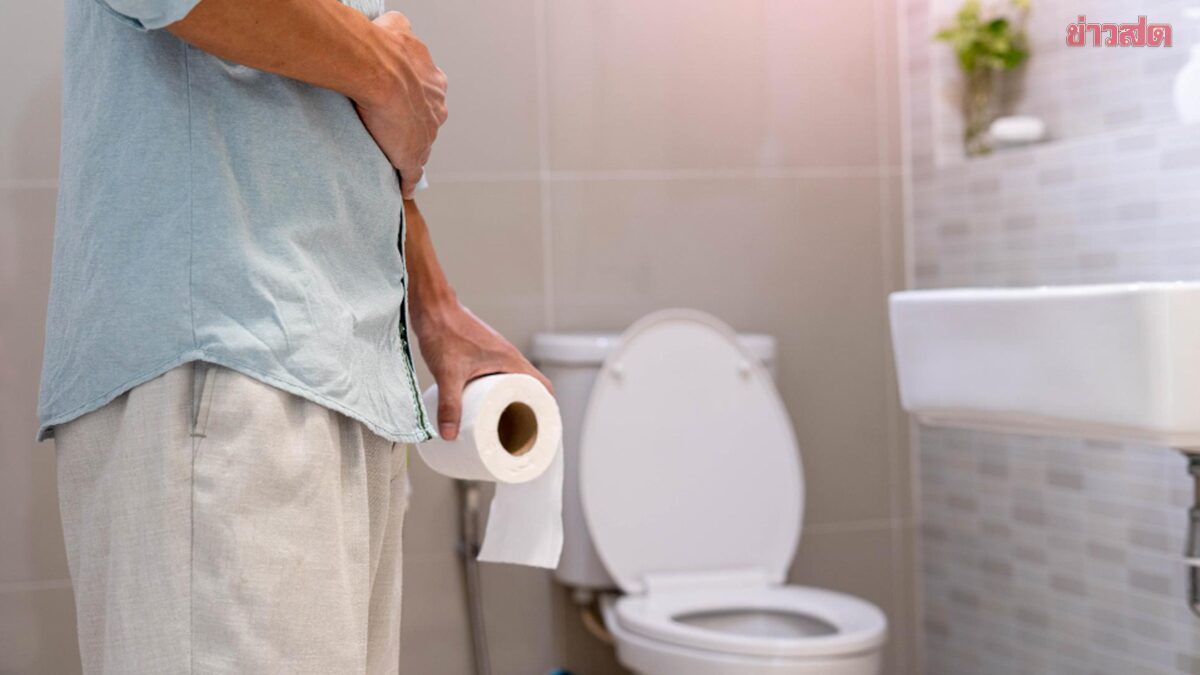
Many people, especially women, are hesitant to use public toilets when needing to urinate outside their home. Some worry about potential infections or sexually transmitted diseases like HPV or syphilis after using public restrooms.
Gynecologist Chiu Xiao Chen used scientific information to clarify these concerns, stating that the chance of transmitting sexually transmitted diseases from a toilet seat is 'almost zero'. However, there are '3 points' that are frequently touched and are actually much dirtier and riskier.
The doctor identified the three high-risk areas in public restrooms as:
1. Flush button (often pressed immediately after someone wipes)
2. Door locks or door handles
3. Water faucets
The most common transmission path is touching these points and then not washing hands, followed by touching one's face or food, which introduces bacteria into the body.
The doctor warns women against 'half-squatting' or standing on the toilet seat, as this can cause pelvic muscle tension and increase urinary tract infection risks. If concerned about cleanliness, one can lightly spray alcohol on the seat or use toilet seat covers.
Most importantly, the doctor recommends closing the toilet lid before flushing to reduce germ spread and, crucially, washing hands thoroughly before leaving the bathroom. The final advice is that with proper hygiene, public restrooms can be used confidently, emphasizing that 'public restrooms are less dangerous than holding urine until bladder inflammation occurs'.