Anutin Denies Parliament Summons Vote, Cites Heavy Investment Workload
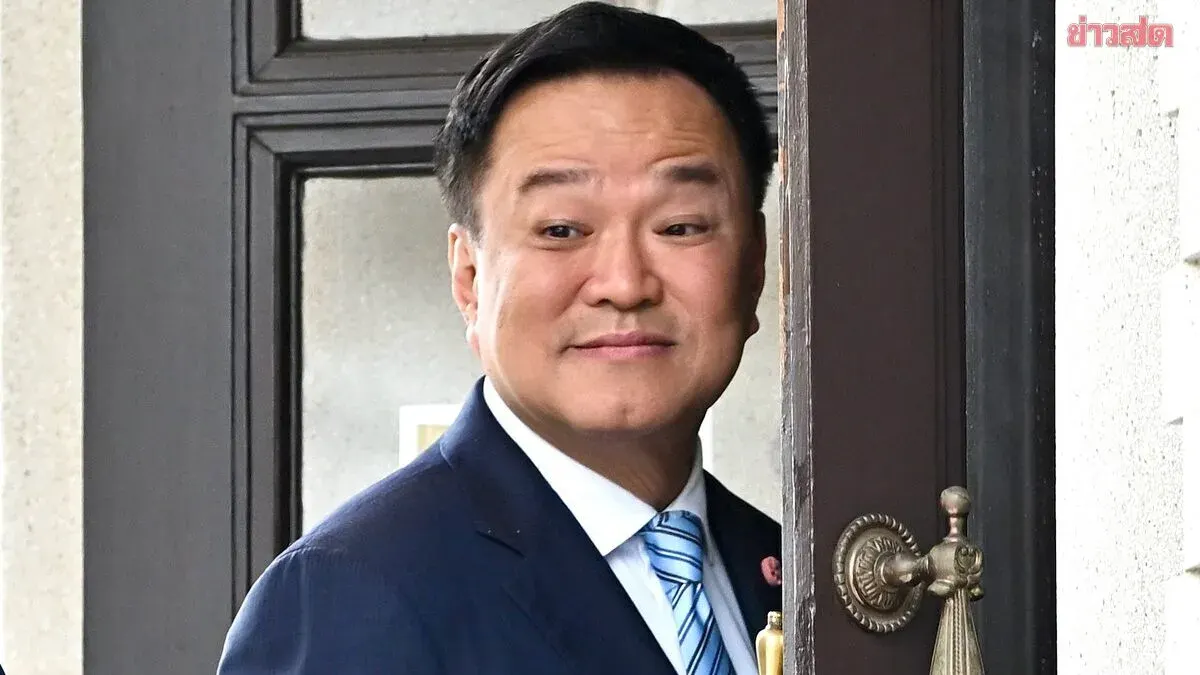
Deputy Prime Minister Anutin Charnvirakul denied that a House committee voted to summon him to Parliament, contradicting committee chair Rangsiman Rome's earlier claim of a 7-0 resolution. Anutin said he has been too occupied with a wave of foreign investment interest — highlighted by UBS upgrading Thailand's credit outlook — to engage with the political back-and-forth. He declined to say whether he would pursue an ethics complaint against Rangsiman, urging media to focus on substantive issues instead.
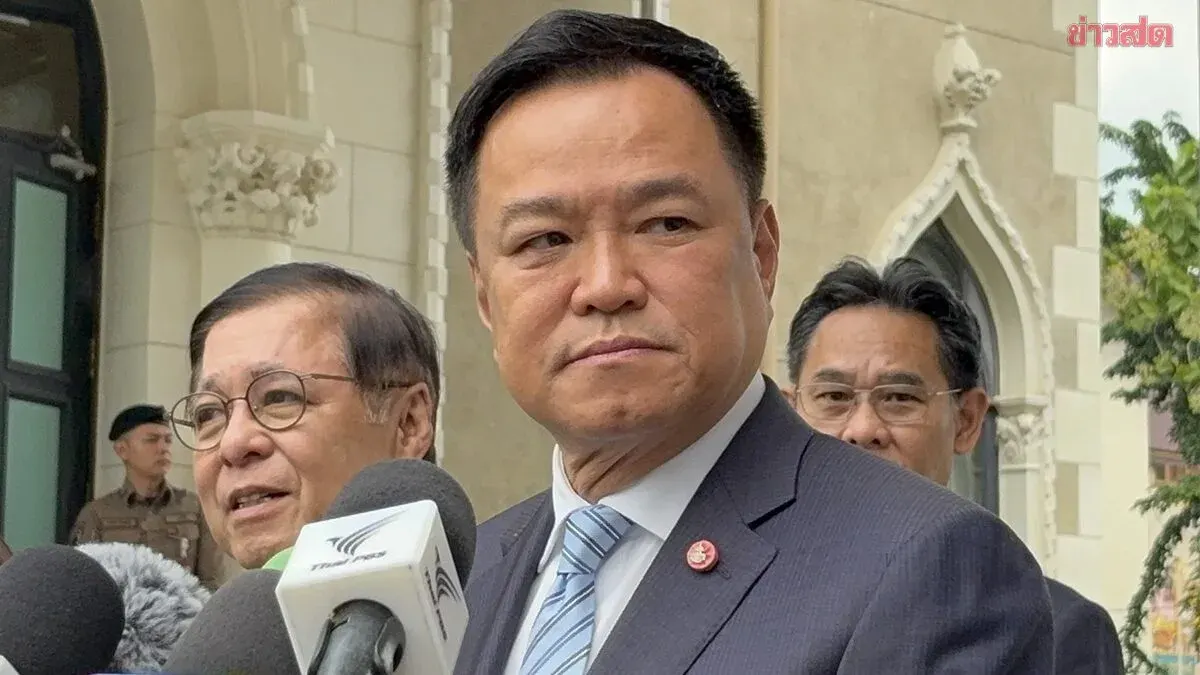
On November 13 at Government House, Deputy Prime Minister and Interior Minister Anutin Charnvirakul addressed the stance of Rangsiman Rome, chairman of the House Committee on Law, Justice and Human Rights. Rangsiman had previously stated the committee voted 7-0 to summon the prime minister to explain before Parliament, but later said no such resolution existed. Anutin brushed off the flip-flop, saying he has not given it any thought because his schedule has been packed with positive economic news. He noted he has been meeting with large institutional investors and foreign government leaders interested in investing and signing cooperation agreements in Thailand, devoting his full attention to them. Yesterday, global banking giant UBS upgraded Thailand's creditworthiness from 'stable' to 'Overweight,' calling Thailand the only country in the region credible enough for business deals across investment, tourism, and cooperation — all trending positively. When pressed repeatedly on whether he would file an ethics complaint against Rangsiman for the reversal, Anutin declined to answer, saying he wants to focus on executive duties first. He noted the matter falls under legislative authority led by House Speaker Sopon Sarakham, and the two sides are not in conflict. Asked if the Rangsiman situation would distract his administrative work, Anutin said he did not know how to answer and should not be asked, because any response would only create conflict. He urged reporters not to ask such questions, saying they serve no benefit to the country, the government's work, or the public.