Authorities Shut Illegal Recycling Plant, Investigate Nominee Shareholders
A multi-agency raid on an industrial waste recycling factory in Prachinburi revealed an expired license and a shareholder structure suggesting Thai nationals are acting as nominees for Chinese investors. Authorities ordered the plant's immediate closure and launched a deeper investigation into nominee shareholding, land ownership, and environmental compliance.
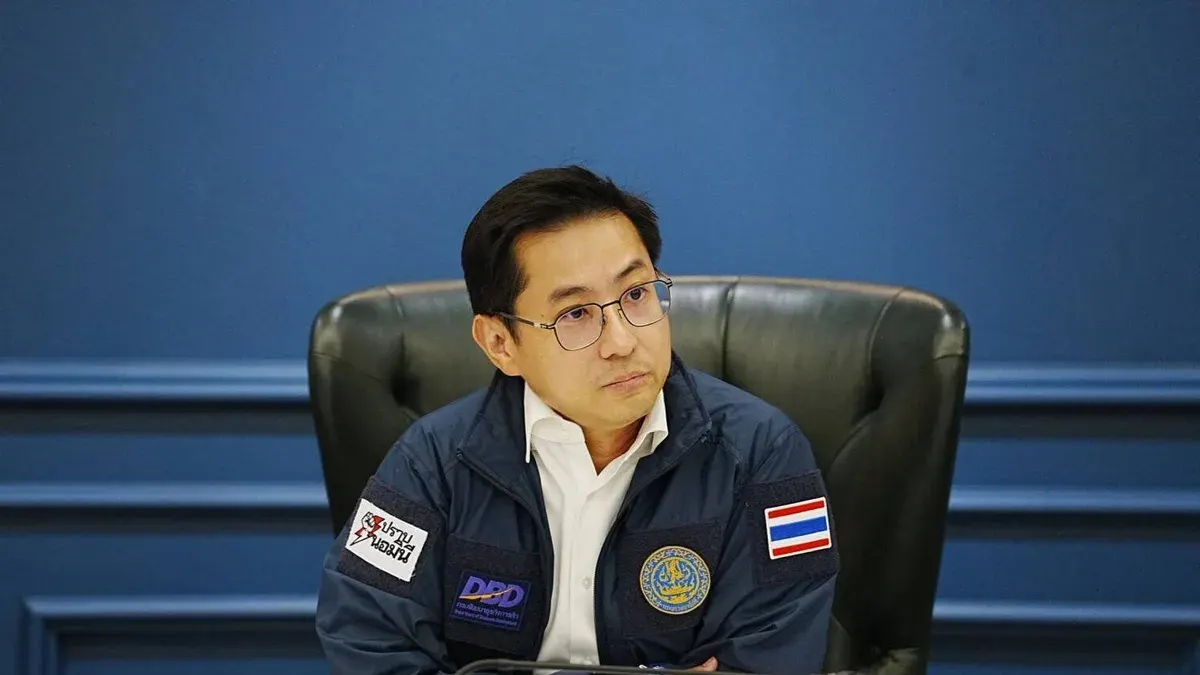
The Department of Business Development launched an operation to inspect an industrial waste sorting factory in Prachinburi Province, discovering irregularities including an expired license and changes in shareholder structure, prompting a deeper probe into nominee shareholders.
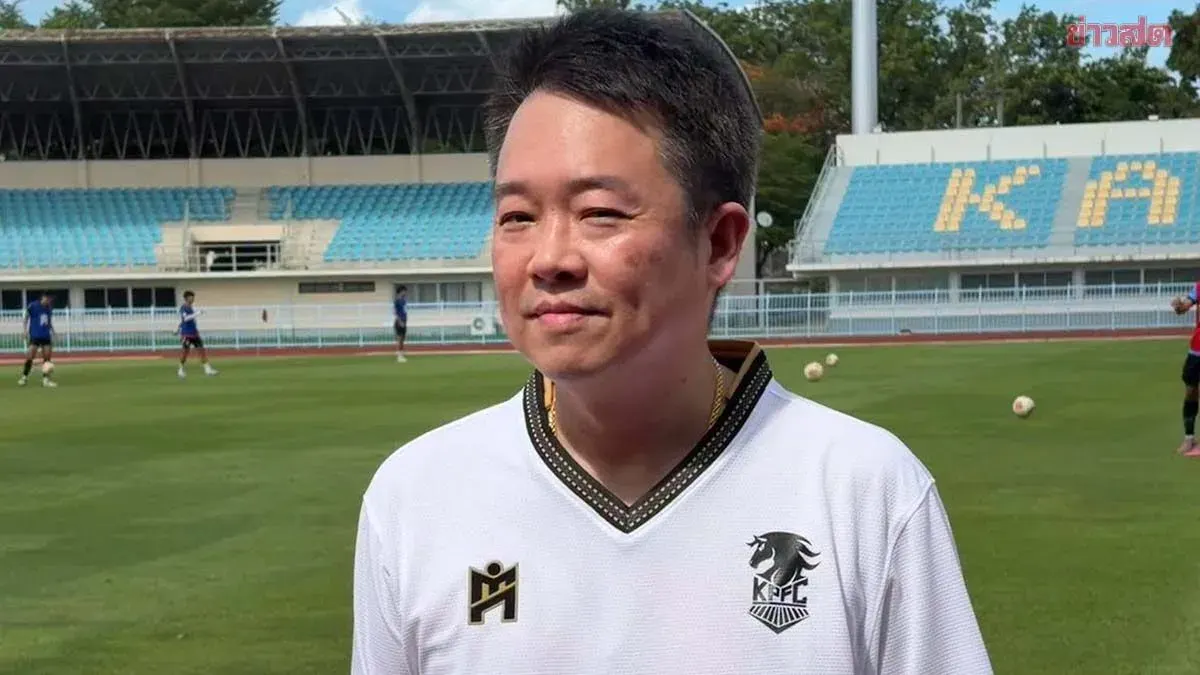
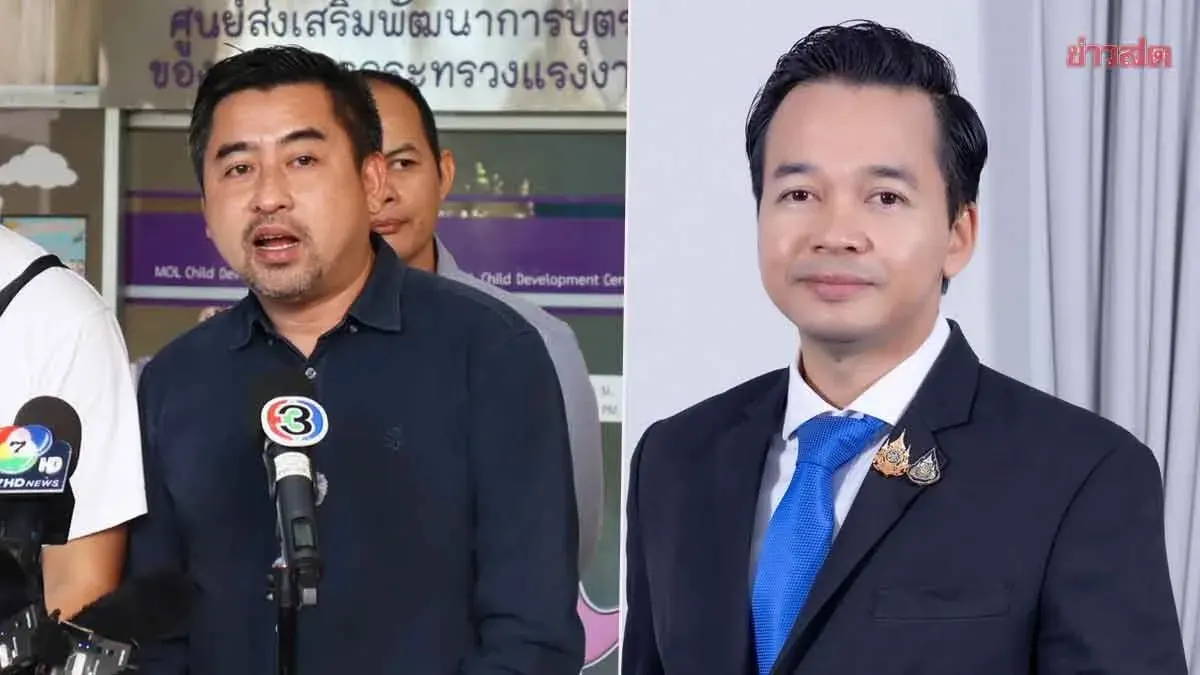
Kittiwat Patchimanont, Director-General of the Department of Business Development at the Ministry of Commerce, revealed that on November 22, 2026, he assigned the Director of the Prevention and Suppression of Illegal Business Division and the nominee suppression team to inspect an industrial waste sorting factory in Sri Maha Pho District, Prachinburi Province. The operation was conducted jointly with a special task force for social order from the Ministry of Interior, led by Assistant Minister Pol. Peer Suwanchwee, alongside the Pollution Control Department of the Ministry of Natural Resources and Environment and other relevant agencies. The inspection aimed to monitor the resolution of business operations that may violate laws and ensure integrated law enforcement.
The inspection found the company engaged in stripping electrical wires, crushing wire scraps, and washing and sorting metals using machinery of 1,765 horsepower. Additionally, production waste such as wire scraps, rubber scraps, and iron scraps awaited sorting. However, the factory operating license (Ror. 4) had expired, yet operations continued. The Prachinburi Provincial Industry Office therefore took legal action, issuing an order to cease all factory operations on November 11, 2026, and posted the order at the company office to enforce strict compliance.
The Department of Business Development examined the company's corporate registration and shareholder structure changes, identifying issues requiring further investigation. These involve individuals linked to the company who changed nationality, with ID numbers starting with 8, and multiple alterations to the shareholder register. Two Chinese nationals collectively hold 49% of shares, while Thai nationals hold 51%.
Further irregularities include the appointment and subsequent resignation of Thai directors within a certain period, and changes to shareholder names in October and November 2026.
The Department will conduct an in-depth investigation into the shareholder structure, relationships between directors and shareholders, and the behavior of Thai individuals acquiring shares. It will coordinate with relevant agencies to ensure the investigation proceeds within legal authority and duties.
Following the site visit, the task force received complaints from affected residents at the Hua Wa Subdistrict Administrative Organization, held meetings to discuss integrated solutions, and assigned agencies to expedite action in three areas: 1) The Ministry of Natural Resources and Environment and the Department of Lands to verify land ownership, environmental impact, and industrial waste or hazardous material management; take legal action if violations are found. 2) The Department of Industrial Works to inspect factory licensing and accelerate closure if offenses are detected. 3) The Department of Business Development, with the Department of Provincial Administration, to scrutinize shareholder structure and nominee behavior; if linked to risk groups, expand investigations legally.
"The Department of Business Development prioritizes preventing and suppressing the use of Thai nominees," the statement concluded.