Bank of Thailand Reports Economy Weakened in Q2
Thailand's economy slowed across most sectors in the second quarter, hit by Middle East conflict ripple effects, surging energy prices, and declining tourist arrivals from key markets. Private consumption contracted as living costs rose, pr
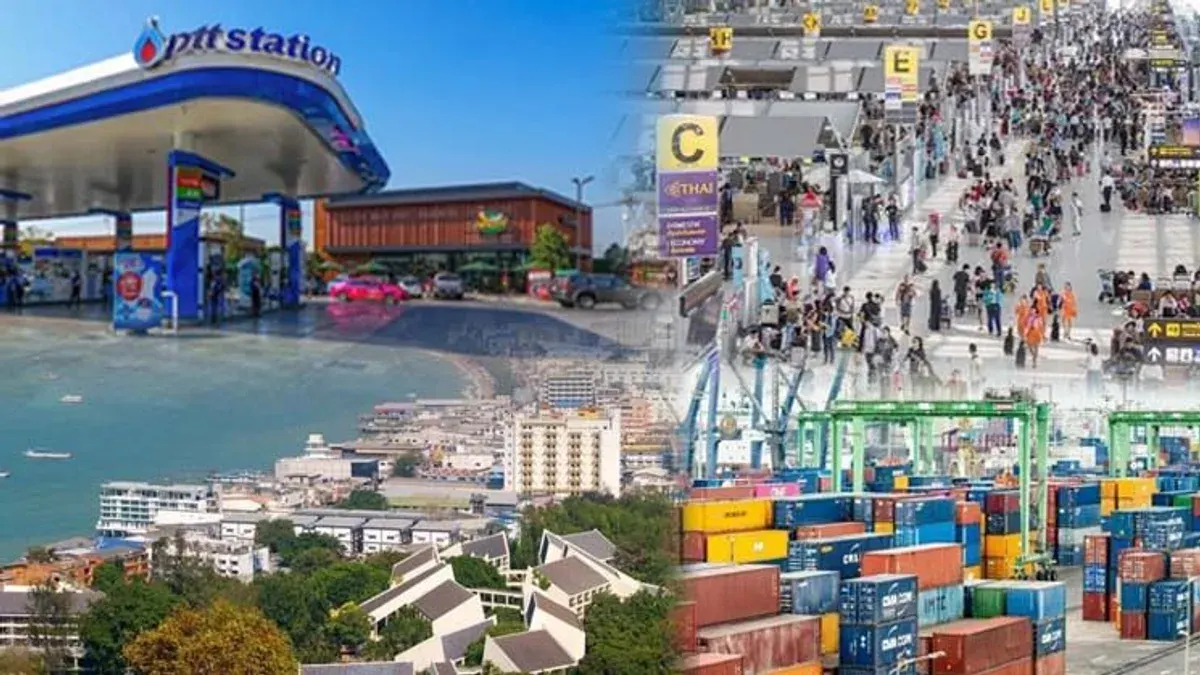
The Bank of Thailand has revealed that Thailand's economy remained stable in June 2025, though the second quarter showed slowdown across nearly all sectors compared to the first quarter. The primary causes stem from the ripple effects of the Middle East conflict, which has heavily impacted the global economy, particularly through rising energy prices. Additionally, foreign tourist travel has been constrained, with visitor numbers declining sharply from Middle Eastern and European markets, while airlines have reduced flights due to elevated fuel costs. This has severely dampened Thailand's service sector, especially hotels, accommodations, and restaurants, with popular tourist destinations showing clear signs of weakness. Private consumption has also contracted significantly due to rising living costs, and despite some government support measures in June, spending has fallen across nearly all categories, particularly in hotels and dining. Consumer goods and fuel consumption have declined following advance purchases in the previous quarter, and electric vehicle sales have dipped slightly following the end of the EV 3.0 incentive scheme. Although exports and private investment have continued to improve—particularly in technology products aligned with the global electronics upswing and data center investment demand—imports have surged significantly, especially crude oil for domestic reserves and electronic components and appliances matching the rise in technology exports. For the third quarter, Thailand's economic growth is expected to remain concentrated, with household consumption also constrained despite government stimulus, as overall living costs remain elevated. The government must monitor the Middle East conflict's progress, U.S. trade policy, tourism sector recovery, and rising living cost impacts, along with increased business costs and potential stronger-than-forecast El Niño effects. Going forward, the government must adopt a forward-thinking approach to implement relief and remedial measures that address emerging challenges across immediate response, recovery, and long-term sustainable restoration phases.