Doctor Reveals Why Bad Breath Persists Despite Daily Brushing, Offers 3 Prevention Methods and Warns of Tonsil Stones
Tonsil stones—small deposits that form in throat grooves—are a common cause of persistent bad breath despite good oral hygiene, according to an ENT specialist who recommends proper gargling, flossing, and hydration to prevent them.
Doctor Reveals Why Bad Breath Persists Despite Daily Brushing, Offers 3 Prevention Methods and Warns of Tonsil Stones
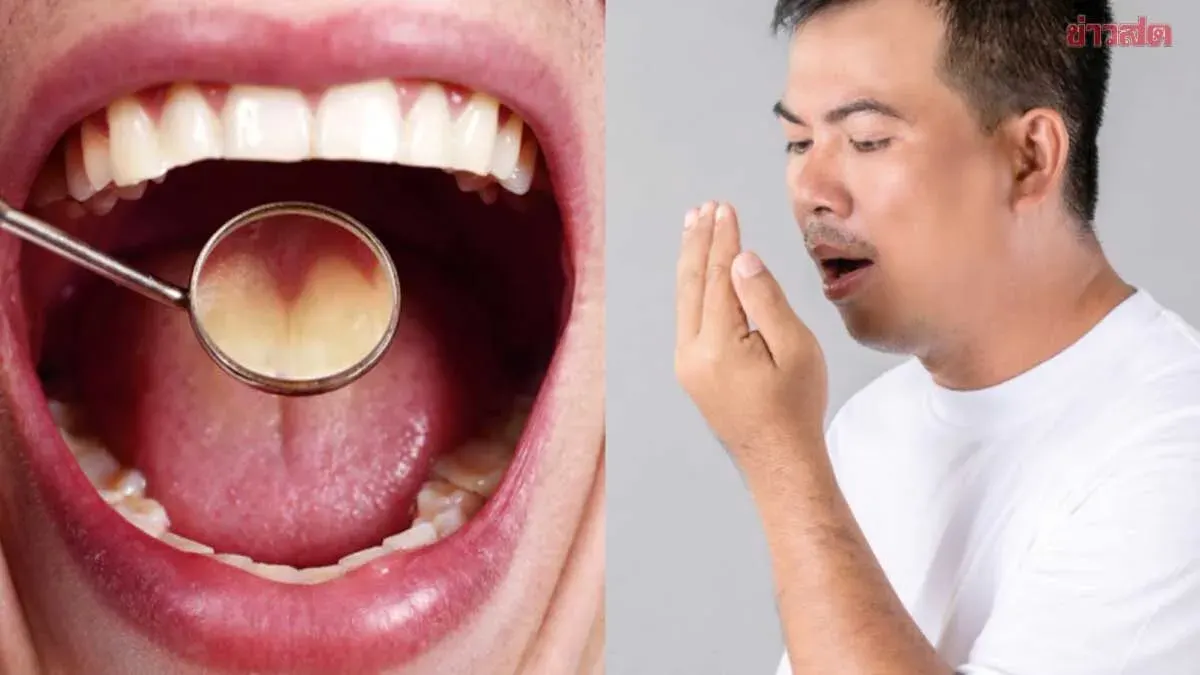
Even with diligent daily brushing, many people still experience bad breath or a sensation of something stuck in their throat. Dr. Chang Chia-chun, an ear, nose, and throat specialist, warns that many patients visiting doctors for bad breath or sore throat issues are often surprised to learn the culprit isn't inadequate oral hygiene, but rather "tonsil stones"—small white or yellowish deposits that accumulate in the grooves of the tonsils.
These stones form from food debris, shed mouth lining cells, and bacteria that accumulate and harden over time. Despite their small size, they can produce intense odors and are a major cause of chronic bad breath.
Dr. Chang shared health information on Facebook page "小峻醫師 張嘉峻," explaining that the tonsil surface isn't smooth but filled with small grooves called "crypts" or tonsil crypts. These areas easily trap cell debris, food particles, and bacteria. Over time, accumulated material can solidify into tonsil stones. Patients often feel something stuck in their throat, experience throat irritation, or in some cases involuntarily cough or speak out particles of a foul-smelling stone.
Prevention Methods for Tonsil Stone-Related Bad Breath
Dr. Chang recommends starting with daily habits:
- Maintain consistent oral hygiene by brushing teeth after meals and using dental floss to reduce food debris accumulation - Gargle deeply after eating using clean water or alcohol-free mouthwash, tilting your head back to help flush throat residue - Drink adequate water daily to maintain mouth moisture and reduce stone formation chances
The doctor emphasizes that if you suspect tonsil stones, don't attempt self-removal with fingers or unsterilized cotton swabs, as tonsil tissue is delicate and highly vascular—removal attempts can cause wounds, bleeding, or serious bacterial infections.
If tonsil stones recur frequently or significantly impact quality of life, consult a specialist for proper professional cleaning using medical equipment, or in some cases, consider tonsil removal surgery for long-term resolution.