Ex-Deputy Minister Warns Thailand Faces Higher US Tariffs Than Neighbors
Former Deputy Commerce Minister Waravut Ramangkul criticizes the current government's ART trade talks with the US, noting Thailand now faces 12.5% tariffs under Section 301 while neighbors like Malaysia and Indonesia pay only 10%. He urges officials to stop referencing the defunct 19% rate and demands the government match competitors' tariff levels while protecting sensitive agricultural sectors.
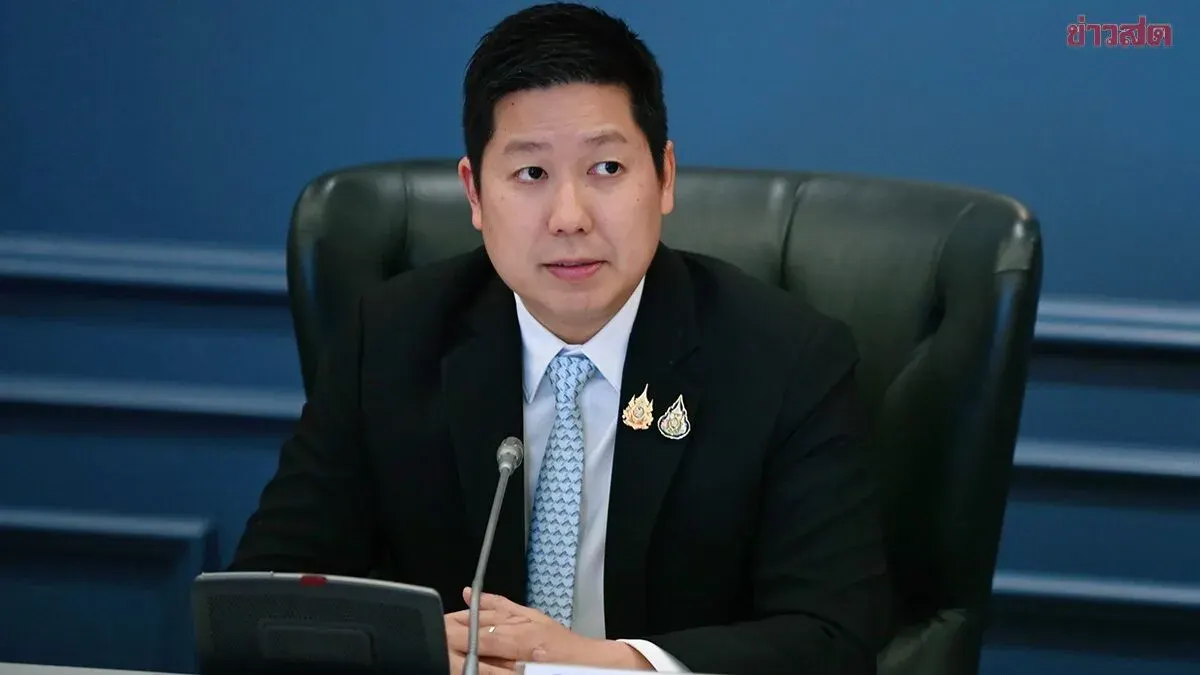
Former Deputy Commerce Minister Waravut Ramangkul explained and compared details of the current Agreement on Reciprocal Trade (ART) negotiations with those conducted during the Pheu Thai government, confirming there are product items that differ from the previous administration, raising concerns about widespread impact on Thai farmers.
Waravut first clarified that the legal basis for US import tariffs has changed multiple times in less than a year. Thailand was initially hit with 36% reciprocal tariffs under the IEEPA law before the negotiation team under former Prime Minister Paetongtarn Shinawatra — including former Deputy Prime Minister and Finance Minister Pichai Chunhavajira and former Commerce Minister Pichai Naripthaphan — successfully reduced it to 19%, announced on August 1, 2025. This matched rates for Malaysia, Indonesia, and Cambodia, and was better than Vietnam and China at the time.
Later, on February 20, the US Supreme Court ruled 6-3 that IEEPA did not authorize the president to impose reciprocal tariffs, voiding the entire tariff package. The US then switched to Section 122, imposing a temporary 10% tariff on all countries until July 24, 2025. On the same day, the USTR announced Section 301 tariffs on 60 trading partners, with Thailand at 12.5% while Cambodia, Indonesia, and Malaysia received 10%.
"The 19% rate has been cancelled. Thailand is now charged 12.5%, so officials should stop citing the 19% figure as it confuses the public," Waravut said.
He outlined the Pheu Thai government's negotiation principles: first, understand US demands and the tariff rate Thailand would receive before detailing product lists, with the paramount goal that Thailand must not be disadvantaged versus regional competitors. Next, use products Thailand already imports — such as crude oil, natural gas, and aircraft — as bargaining chips. For agricultural goods where Thailand already grants benefits to other countries without domestic market impact, such as beef from Australia and New Zealand, or corn where Thailand produces only half its needs, conditional market opening was possible. However, sensitive products like pork would never be fully liberalized; any opening would be capped at 1% of the market with non-tariff measures retained.
Waravut stressed the current reality: Thailand faces 2.5% higher Section 301 tariffs than ASEAN neighbors because the US divides countries into two groups — 10% for those with forced labor import bans or completed ART agreements, and 12.5% for those with neither. Thailand falls into the latter group despite the government's efforts.