Expert Warns Reusing Plastic Bottles Harbors More Bacteria Than Toilet Seats
Reusing disposable plastic bottles can harbor more bacteria than toilet seats due to narrow threads that trap saliva and food particles, warns a Thai pharmacist, as PET material also degrades and releases harmful chemicals.
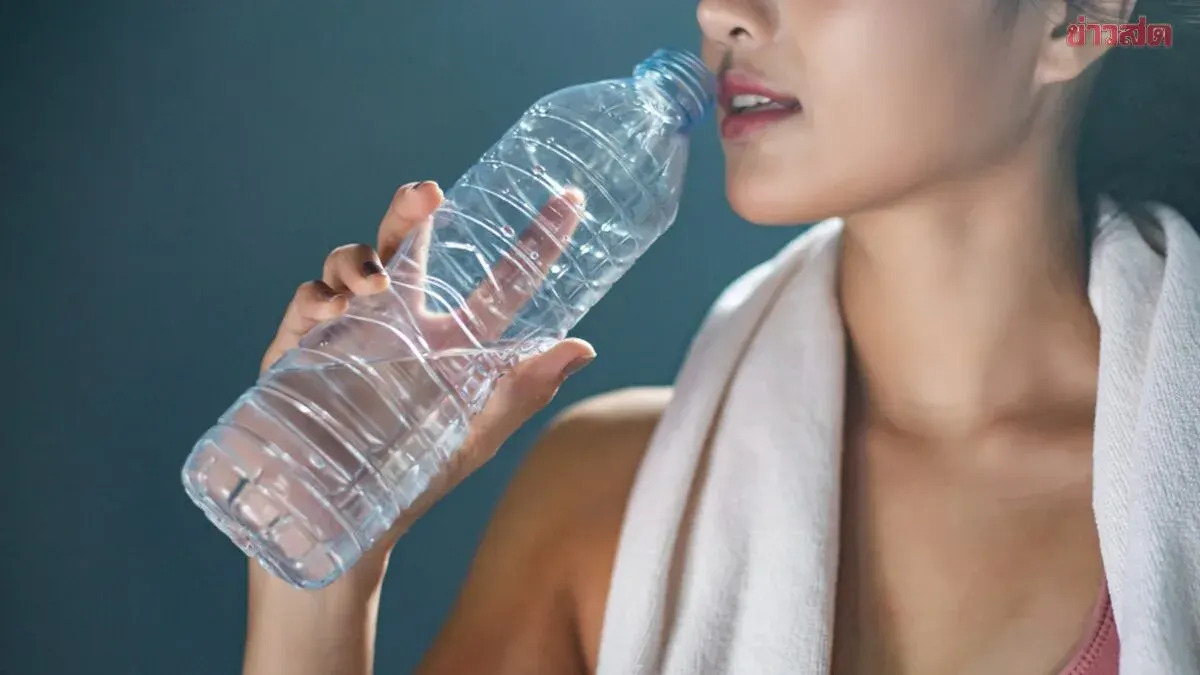
Many people reuse disposable plastic water bottles to cut costs and reduce waste, but experts warn this habit carries hidden health risks. Pharmacist Chen Shiyou posted on Facebook on August 11 that most plastic water bottles are designed for single use only. When drinking, saliva, food particles, and bacteria from the mouth enter the bottle and lodge in the bottle's threads, which are too narrow to clean thoroughly. In hot and humid conditions, bacteria multiply rapidly, and research has found that bacterial levels at the cap of reused plastic bottles can exceed those on household toilet seats.
Beyond bacterial contamination, most disposable plastic bottles are made from PET (Polyethylene Terephthalate) material, which degrades under friction, repeated washing, and high temperatures. This degradation creates microscopic scratches invisible to the naked eye, which not only provide crevices for bacteria to accumulate but also allow the bottle to release small plastic particles and chemicals. Long-term ingestion of these particles may pose health risks.
Chen recommends avoiding the reuse of single-use plastic bottles. If temporary use is necessary, fill only with room-temperature water and discard immediately if scratches, deformation, or unusual odors appear. Even when using reusable water bottles or glasses, thoroughly clean the rim and seals daily to prevent saliva residue and bacterial growth.