Finance Ministry Confirms Budget Room for Red-Purple Line Flat Fares
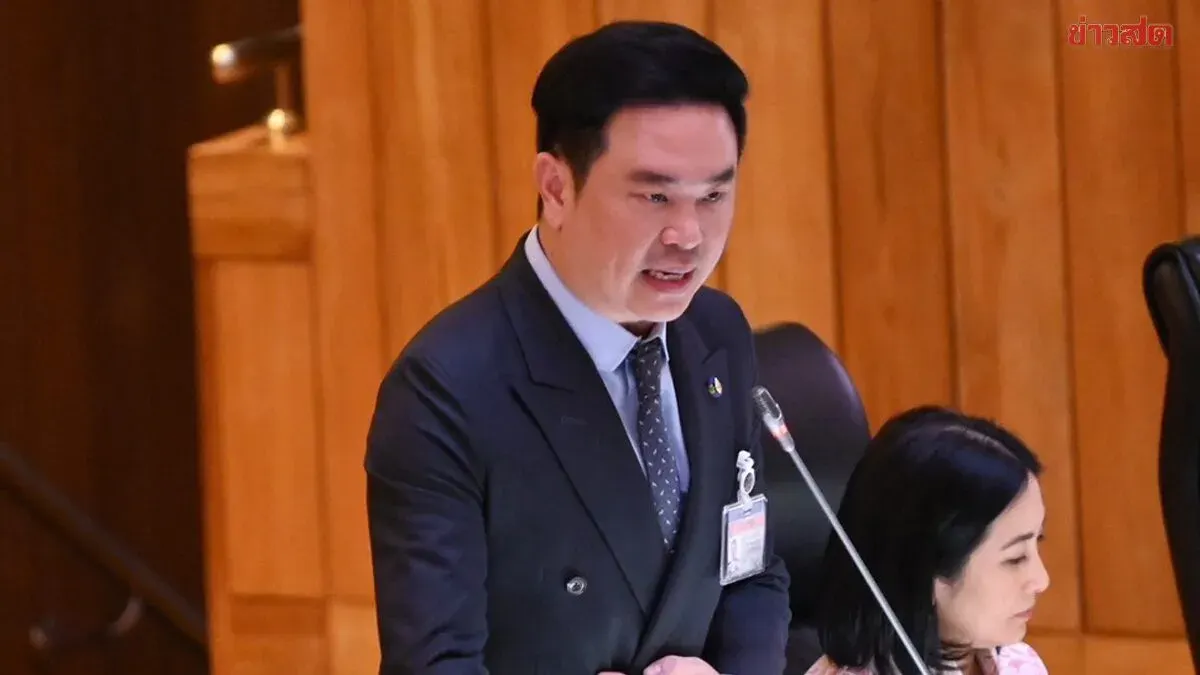
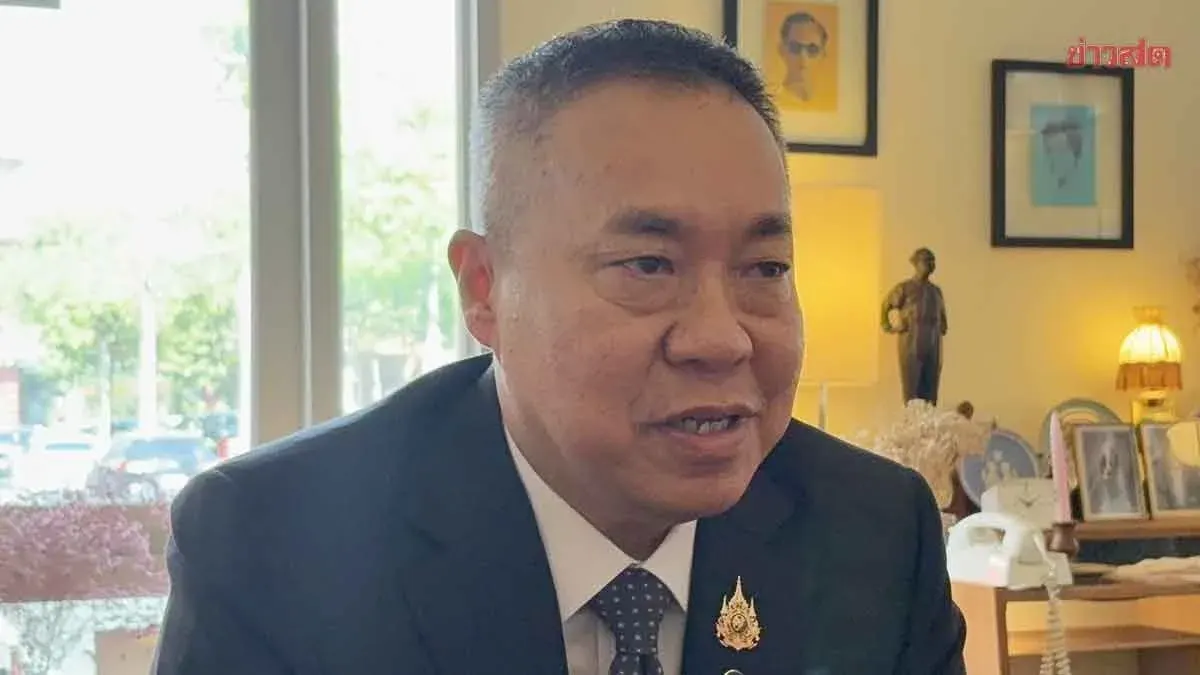
The Finance Ministry confirmed that the state's fiscal headroom under Article 28 can cover the 38.4 billion baht cost of daily flat-fare tickets on Bangkok's Red and Purple commuter rail lines. Deputy Prime Minister Ekanit Nitithanpraphas told the Cabinet the measure stays well within the 32% legal ceiling, but urged the Transport Ministry to boost ridership and revenue so the rail operators depend less on government subsidies.
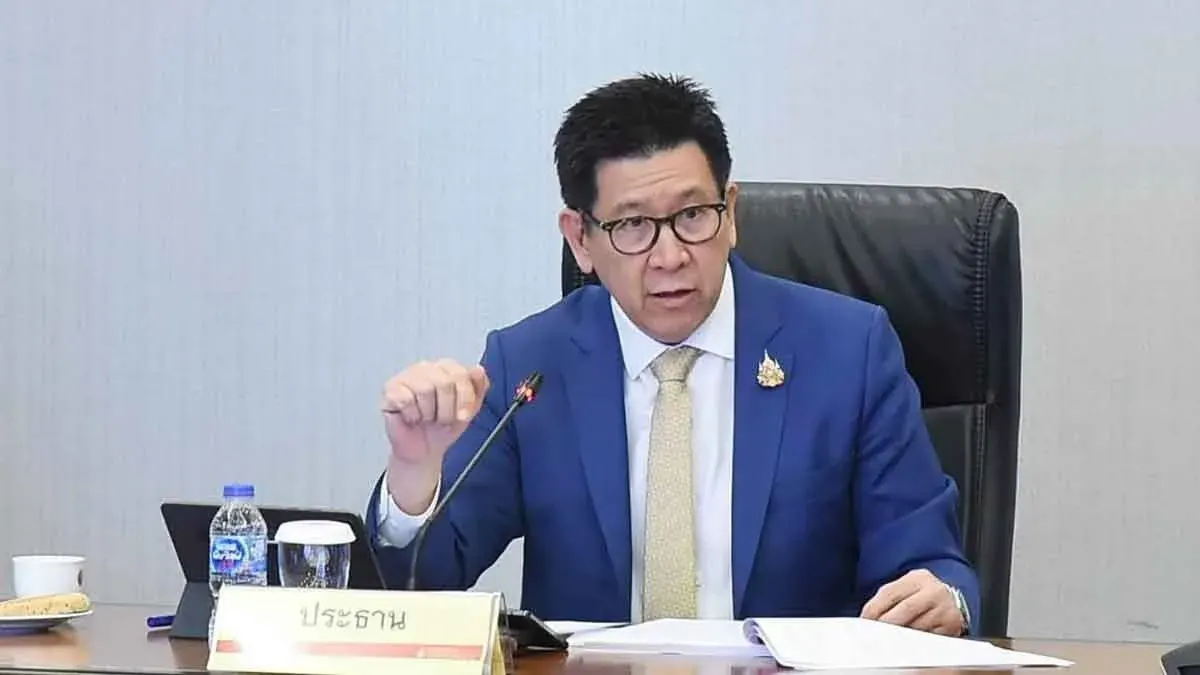
Deputy Prime Minister and Finance Minister Ekanit Nitithanpraphas submitted his opinion to the Cabinet on the proposed daily flat-fare tickets for the State Railway of Thailand's Red Line (both the Nakhon Withi route from Bang Sue to Taling Chan and the Thani Ratthaya route from Bang Sue to Rangsit) and the Mass Rapid Transit Authority of Thailand's Purple Line (the Chalong Ratchadham line). He reported that the Article 28 fiscal burden ceiling is set at 32% of the annual expenditure budget, or 1,212,160 million baht. As of 20 November 2026, outstanding obligations stood at 1,041,677 million baht, leaving 170,483 million baht unused — sufficient for the flat-fare measure, which requires only 38,430 million baht under Article 28. Even when combined with other pending projects, the total burden would rise to 1,043,808 million baht, or 27.56% of the FY2027 budget, still below the 32% limit.
While the Transport Ministry says the scheme meets Article 28 conditions, the Finance Ministry stressed that cost-effectiveness, economic and social stability, and fiscal sustainability under Article 7 must also be evaluated. The Finance Ministry urged the Transport Ministry to direct the SRT and MRTA to find ways to increase passenger numbers across all lines to raise fare revenue and reduce lost income from the subsidy. In particular, the SRT should accelerate its business rehabilitation plan to meet targets and cut reliance on state subsidies, while the MRTA must clearly assess the impact on government subsidies, especially Purple Line operating costs. The ministry also recommended preparing services and facilities, widely publicising eligibility and redemption methods, and enforcing strict safety measures to handle the expected ridership surge.