Fisheries Department Convenes Three Agencies Over Water Contamination
The Department of Fisheries will meet with the Pollution Control Department and Department of Marine and Coastal Resources on November 23 to address water contamination and heavy metals found in aquatic animals from the Chao Phraya and Mekong rivers. The agency is also preparing compensation for affected fish farmers and promoting long-term solutions such as controlled aquaculture systems to reduce reliance on natural water sources.

The Department of Fisheries is preparing to meet with three agencies to address water quality problems and contamination in aquatic animals, while also preparing compensation guidelines for affected parties to build consumer confidence and occupational security for fisheries.
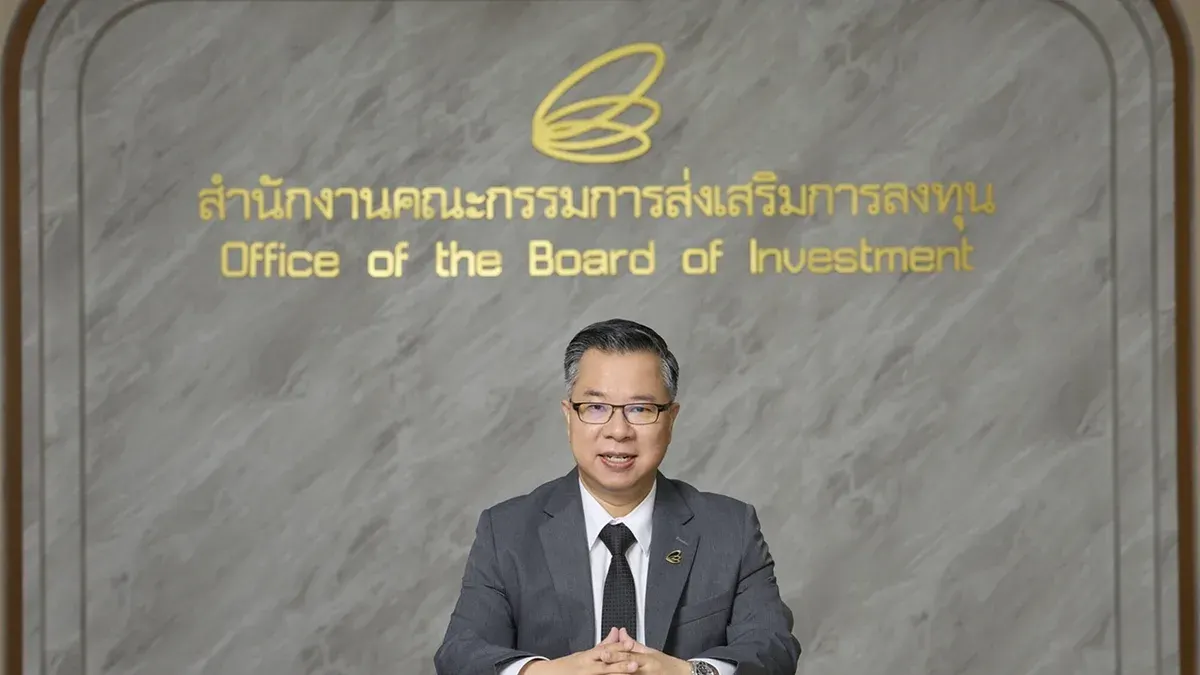
Director-General Pinsak Suraswadi discussed the water quality situation in natural water sources that may affect aquatic resources, consumer safety, and livelihoods of farmers and fishermen. Deputy Minister of Agriculture and Cooperatives Wichaphap Khawkham, who oversees the Department of Fisheries, expressed concern and ordered close monitoring, inspection, and surveillance, plus transparent communication and proper care for affected people.
Pinsak stated that monitoring found heavy metals exceeding standards in some aquatic animals from the Chao Phraya and Mekong rivers, while 19 samples from the Prachinburi-Bang Pakong rivers met all standards though low dissolved oxygen was found in some spots. In the inner Gulf of Thailand, abnormal aquatic animal deaths were found with preliminary tests showing low dissolved oxygen as a possible factor. He emphasized results are specific to samples, areas, and time periods and cannot generalize about all aquatic quality or safety. The department prioritizes disseminating factual, scientific information to reduce public concern and maintain confidence in Thai fishery products domestically and internationally.
Regarding solutions and monitoring, Pinsak confirmed the Department of Fisheries will hold talks with the Pollution Control Department and the Department of Marine and Coastal Resources on November 23, 2026, to exchange water quality and environmental data and consider integrated nationwide monitoring approaches. The aim is for relevant agencies to share data for risk assessment, situation tracking, and timely public communication, alongside the department's ongoing monitoring plan for water quality and contaminants in aquatic animals.
On assistance and compensation, Pinsak said provincial fisheries offices will survey impacts and damages to aquaculture farmers and fishermen for consideration under relevant criteria, while preparing additional compensation guidelines if needed, focusing on relief, cost reduction, and livelihood restoration so affected people can resume their occupations.
For long-term measures, Pinsak revealed the department prioritizes reducing water quality risks to livelihoods by potentially promoting aquaculture systems that can manage water quality, such as above-ground ponds or area-appropriate systems, giving farmers alternatives to reduce direct reliance on natural water sources, lowering the chance of recurring impacts, and supporting occupational and national food security.
"The Department of Fisheries prioritizes both consumer safety and the occupational security of farmers and fishermen by closely monitoring the situation, coordinating with relevant agencies, and communicating facts accurately so the public can be assured," Pinsak concluded.