Gen Z Protesters Demand Education Reform, New Constitution
Thai Gen Z protesters rallied peacefully demanding educational equality, school democracy, youth participation in decision-making, and systemic education reform. Their demands expanded to broader issues including military conscription abolition, a new people's constitution, and economic justice. The government acknowledged the protests and pledged to listen, but academics and the editorial argue concrete action is needed on inequality, teacher shortages, and youth mental health, warning that suppressing peaceful expression could escalate social pressure.
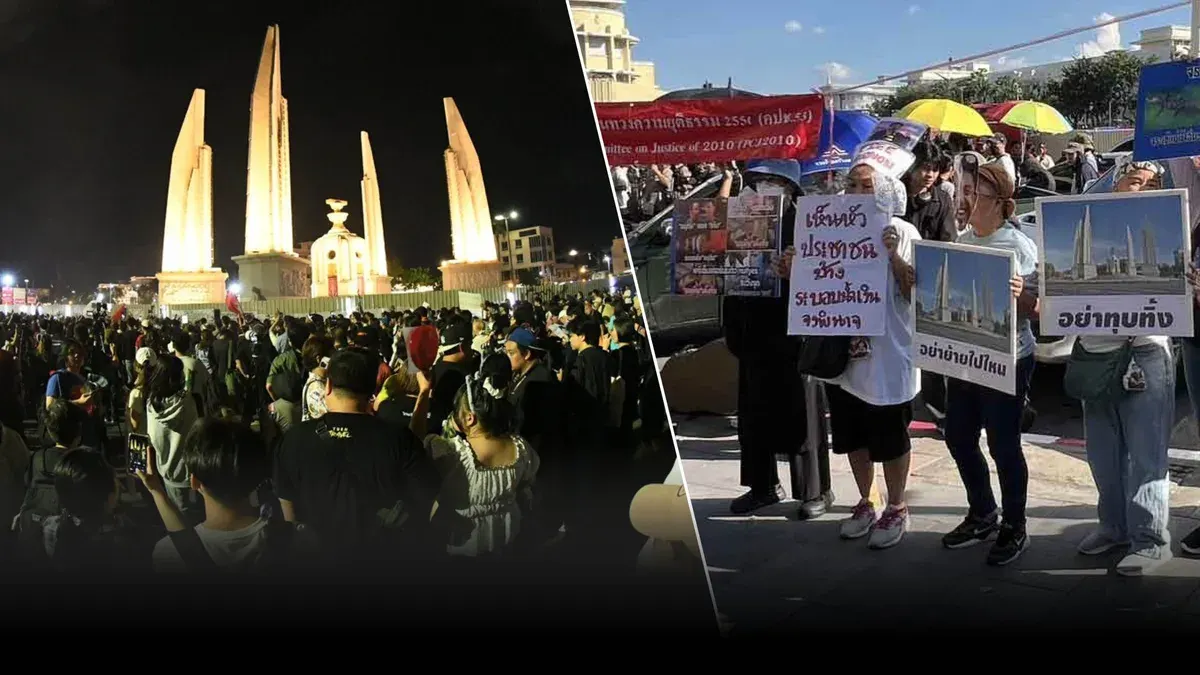
In a rally by the new generation youth, known as the Gen Z Mob, protesters announced four core demands: educational equality, democracy in schools, youth participation in determining their own future, and transforming an education system that should not merely produce workers for the labor market and capital but must open opportunities for learners to think, analyze, question, and have the right to determine their own lives. Speeches expanded to cover state budget allocation, environmental issues, capitalism, minimum wage, cost of living, abolition of military conscription, and drafting a new people's constitution. This reflects how the new generation does not view problems in isolation but connects school issues to the country's economic and political structures. Despite some road closures for activities, the overall event proceeded peacefully without violent clashes, representing political expression the state should respect under constitutional rights. Academics view the Gen Z movement as stemming from a global youth awakening, lack of political space, and youth insecurity about the future. While cautioning against political exploitation of the movement, they warn against dismissing all demands as manipulated and not independent. The Education Ministry has directed schools not to block rights or punish students joining peaceful protests. Meanwhile, Prime Minister Anutin Charnvirakul affirmed the government is ready to listen to demands within legal frameworks and has a working group to track proposals for relevant agencies, which is considered a good starting point. However, listening alone is not enough; the government must demonstrate concrete problem-solving, including reducing inequality between schools, solving teacher shortages, caring for student mental health, opening opportunities for youth to participate in setting regulations and curricula, and creating broad educational and career opportunities for the new generation. Most importantly, the state must not use laws or intimidation measures to block peaceful expression, and should not start from a negative view that the Gen Z Mob has backers or is a political tool, because the problems youth raise are genuine. From lessons in many countries, new generation discontent can expand into social pressure when they feel their future is insecure, the economy deteriorates, and inequality remains deep-rooted. The government must therefore urgently address immediate livelihood and education issues precisely, while genuinely opening space for the new generation to participate.