Thailand Hosts IMF-World Bank 2026 Meeting, Launches Anti-Scam Blueprint
Thailand hosted the 2026 IMF–World Bank Annual Meetings, welcoming nearly 20,000 foreign participants and earning praise from global financial leaders. The event produced the ‘Bangkok Blueprint,’ a set of twelve measures to combat cyber scams and financial fraud, and highlighted Thai soft power through traditional textiles. Domestically, the Bank of Thailand has tightened cash‑transaction rules and is monitoring digital‑asset flows to curb illicit money flows.
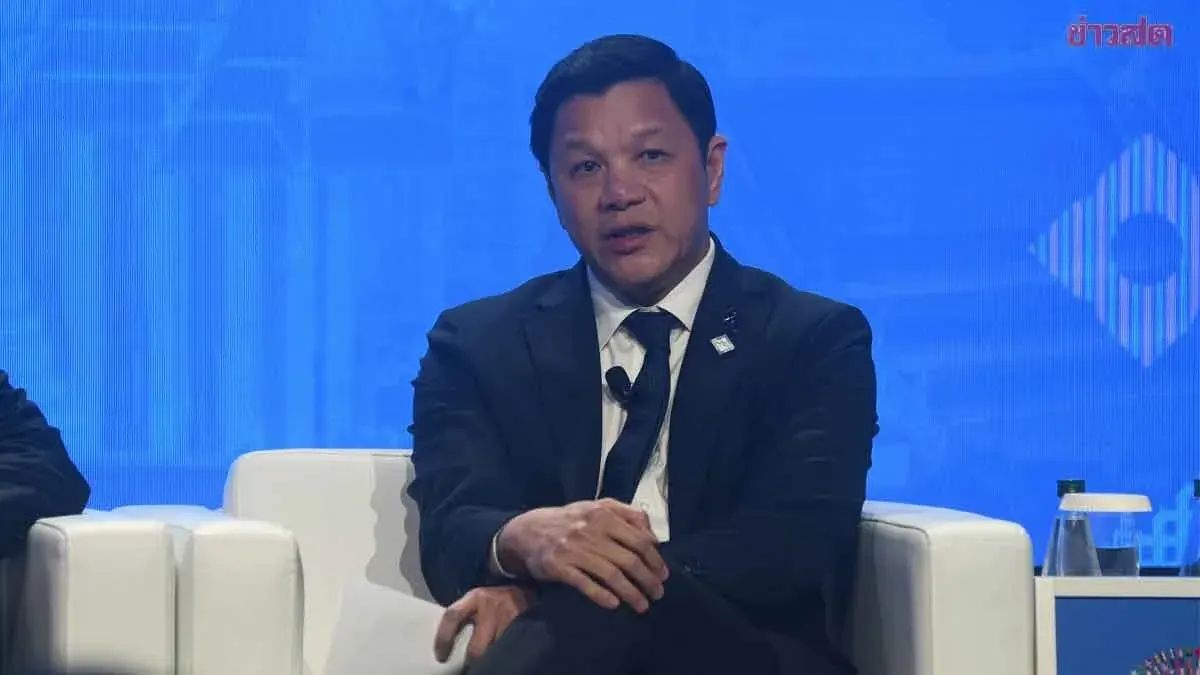
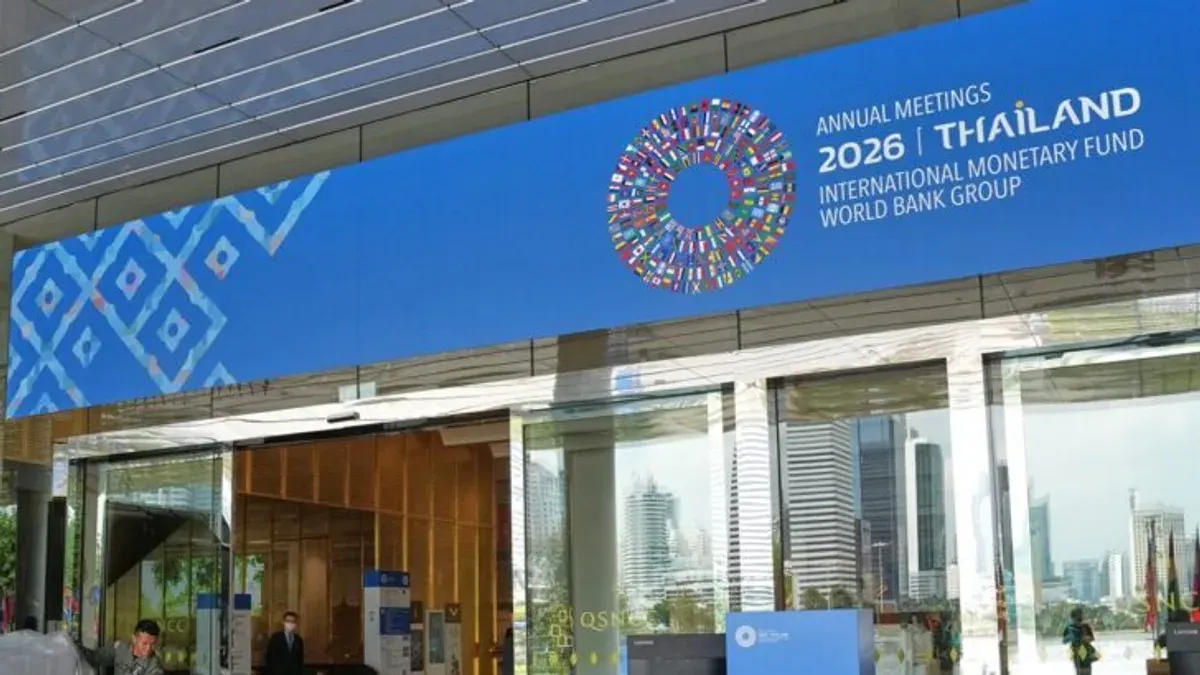
Ekannit Nitithamphas, Deputy Prime Minister and Minister of Finance, said that Thailand’s selection as host of the IMF–World Bank Annual Meetings 2026, set for October 12–18, is a significant achievement in demonstrating the nation’s strength on the global economic stage. Throughout the meetings, Thailand received acclaim from the IMF, the World Bank, and economic, financial, and treasury leaders from around the world. Almost 20,000 foreign delegates registered, a record high reflecting the scale and importance of the international forum entrusted to Thailand. IMF Managing Director Kristalina Georgieva praised Thailand’s management standards at an international level.
Another success was the promotion of Thai soft power on the world stage, including Thai silk, pah‑ka‑ma cloth, and reusable bags, which attracted strong interest from overseas attendees, offering an opportunity to spread Thai identity and increase awareness of Thai products abroad while reinforcing the country’s readiness to host global financial events, likened to the “Financial Olympics of the World.”
The meetings also served as a platform to push cross‑border cooperation against financial risks. Bank of Thailand Governor Vittayarat Rattanakorn revealed that the BOT played a leading role in drafting the global policy recommendation document “Bangkok Blueprint” together with the IMF and the World Bank, providing a guide for central banks worldwide to prevent cyber scams and financial fraud. The document compiles twelve considerations as a reference framework and includes an annex with case studies from Thailand, Malaysia, Singapore, and Hong Kong to aid the development of anti‑financial‑crime measures. Data presented at the meeting showed that 67 % of global financial‑crime losses occur in Asia, underscoring the need for stronger international cooperation and supervision of financial transactions to keep pace with rapidly evolving criminal tactics.
On the domestic front, Governor Vittayarat said that over the past 12 months the BOT has focused on structural solutions, especially breaking the cycle of dirty money and corruption that exploits the banking system. Controls on cash transactions have been tightened—for example, purchases of gold valued over 10 million baht must now be paid by bank transfer or check instead of cash, and cash withdrawals exceeding 5 million baht require a declared purpose. These measures took effect on April 1 of this year.
The BOT has also increased monitoring of cash‑to‑digital‑asset conversions, particularly the USDT stablecoin, after detecting abnormal trading volumes and outbound transfers. Discussions are underway with the Securities and Exchange Commission (SEC) to establish supervisory rules and limit undesirable transactions.
The success of hosting the world financial conference goes beyond image and international recognition; it creates a policy‑cooperation platform to tackle cross‑border financial threats while tightening loopholes in Thailand’s financial system to boost confidence and economic stability.