Independent Panel Unanimously Finds NACC Member Guilty of Gold Bribe
An independent investigating committee appointed by Thailand's Supreme Court has unanimously found National Anti-Corruption Commission member Ekkawit Watcharawalakul guilty of accepting a 246-baht weight gold bribe from a former deputy police chief. This marks the first such verdict against an NACC member since the 2017 Constitution took effect. The case will now proceed directly to the Attorney General for prosecution in the Supreme Court's Criminal Division for Political Office Holders, following an accelerated timeline.
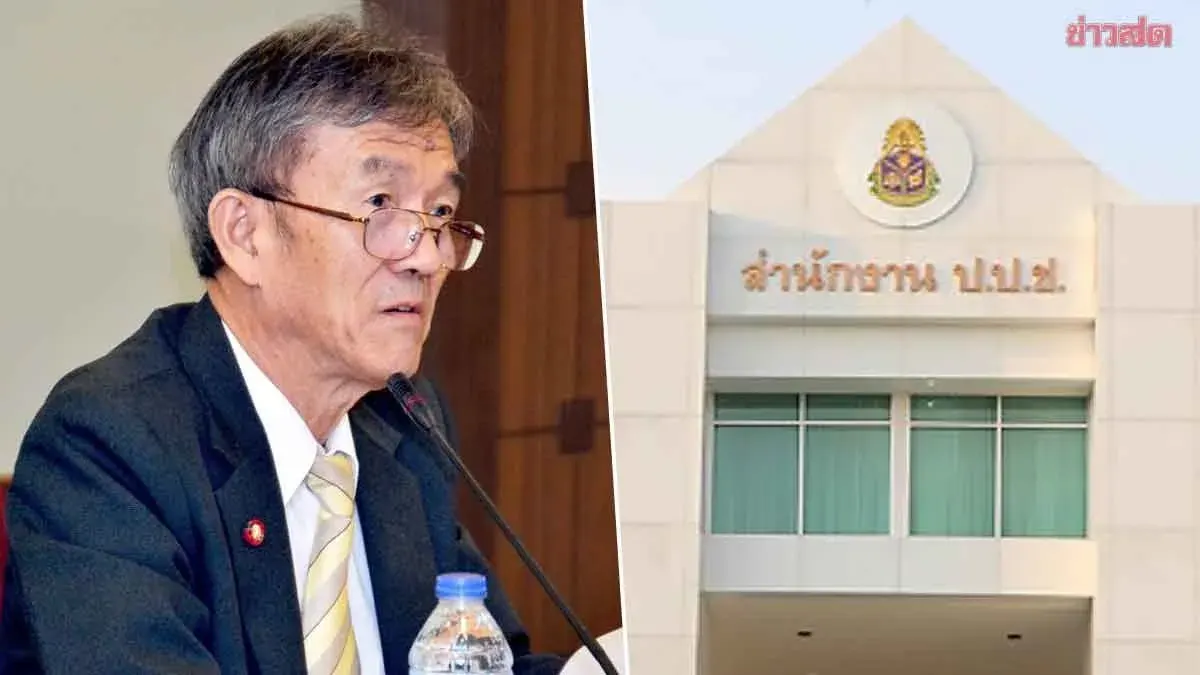
Independent scholar and former senior Supreme Court judge Was Tingmasitr published an article detailing the case of the independent investigating committee appointed by the Supreme Court president, which unanimously found NACC member Ekkawit Watcharawalakul guilty — the first such ruling since the 2017 Constitution came into force.
Was explained that the allegations stem from Ekkawit, a former Court of Appeal Region 6 president and Supreme Court division chief, allegedly accepting gold bribes totaling 246 baht weight from Pol. Lt. Gen. Surchest Haphal, former deputy national police chief, who was himself under NACC investigation for benefits linked to online gambling websites.
The complaint was forwarded through Senate President Mongkol Surasajja to then-Supreme Court President Atthasit Tanthiwong, leading to a Supreme Court announcement on February 26, 2026, appointing a nine-member independent investigating committee including Chawalit Isaradet, Phetim Phetakul, Adisorn Chaikup, and Wicha Mahakhun.
In mid-November, the committee voted 9-0 that the allegations against Ekkawit constitute genuine criminal offenses. Wicha Mahakhun confirmed the verdict and said the committee is rushing to finalize its report within one week for submission to the Attorney General (OAG).
Was noted the case proceeds under Section 236 of the Constitution and the Organic Act on Criminal Procedures for Political Office Holders B.E. 2560, Sections 50 and 56(3), which require the committee to send its report directly to the OAG for prosecution in the Supreme Court's Criminal Division for Political Office Holders, bypassing a Senate vote. The committee must only report findings to the Supreme Court president promptly and notify the National Assembly president.
Regarding suspension from duty, Was clarified that Ekkawit does not immediately cease duties upon the committee's verdict, but only when the OAG files charges and the Supreme Court accepts the case, unless the Court orders otherwise.
Was added that cases from the independent committee follow a faster timeline than the standard NACC process (which allows the OAG up to 180 days). Once the OAG receives the report, it must file charges within 60 days, with a possible 30-day extension from the Supreme Court president, for a maximum of 90 days.
Under Sections 27 and 28 of the Organic Act, the OAG will summon the accused to court; if they fail to appear, the Court can immediately accept the case and issue an arrest warrant. If the accused cannot be apprehended within three months of the warrant, the Court may proceed in absentia, though the accused retains the right to appoint counsel.
Was described the case as a pivotal milestone in the history of Thailand's judicial process.