A 14-year-old's shooting at a Bangkok-area school exposed how social media accelerates violence among troubled youth by normalizing weapons and aggression, while online speculation compounds harm to victims and the innocent.
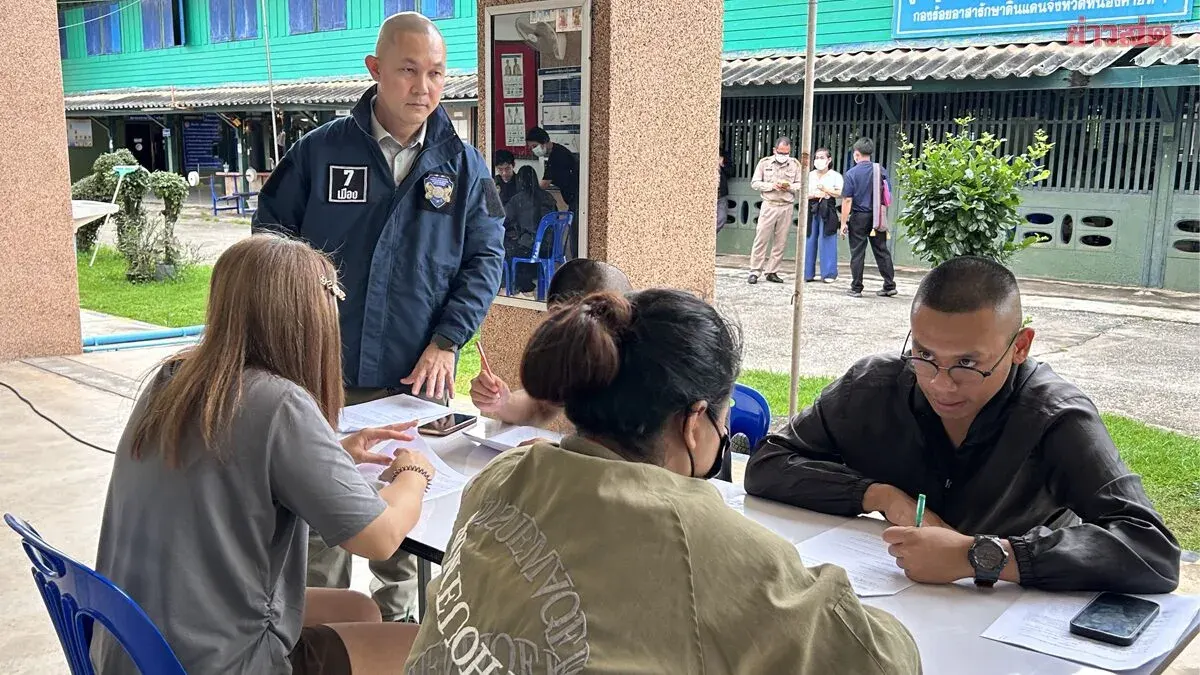
The shooting at Thepsirin School in Nonthaburi was more than just the actions of a 14-year-old student wielding a gun. Police investigation of the evidence revealed that the incident was triggered by multiple accumulated factors: family problems, school difficulties, conflicts with peers, and consumption of violent social media content. Investigators found that the suspect had spent 1–2 years learning how to use firearms through online sources, had previously ordered an airsoft gun over the internet, and brought it to school. The question society must collectively answer is whether we make it too easy for children to access content about weapons and violence.
Although social media may not be the sole root cause of violence, it acts as an accelerant—repeatedly reinforcing violent thoughts, particularly in children experiencing suppressed feelings or loneliness. Once they enter this simulated world of aggression, imitation and normalization of violence may follow.
The Thepsirin incident did not end when the gunshots stopped and lives were lost. Rather, social media may become a mechanism for multiplying harm, as event images, victim footage, personal information, rumors, fake messages, and unsubstantiated accusations are rapidly and repeatedly shared.
Most troubling is how some social media users rush to conclusions: who was involved, who is guilty, who is responsible—all judged on just a few lines of information. Sometimes families, friends, teachers, or even victims themselves become defendants in the online world, while official investigations are still underway. Society must learn to distinguish between asking questions and condemning people based on guesswork, because online mistakes are hard to correct or remove, and blame may haunt the innocent for a long time.
The lesson from this incident is not limited to stricter gun laws alone, but must also address the digital accelerants of violence in tandem. Parents and teachers must monitor behavior and listen to children more closely, understanding what they are watching, which groups they belong to, and what problems they may be facing alone.
At the same time, media and the public must be responsible: refrain from repeatedly sharing violent images or clips, stop spreading misinformation, and cease making hasty accusations based on speculation that may reopen wounds for victims and harm the morale of teachers and students.
Social media should be a platform for distributing knowledge, information, and facts that benefit society—not a space that feeds hatred, fear, irrationality, and violence into society.