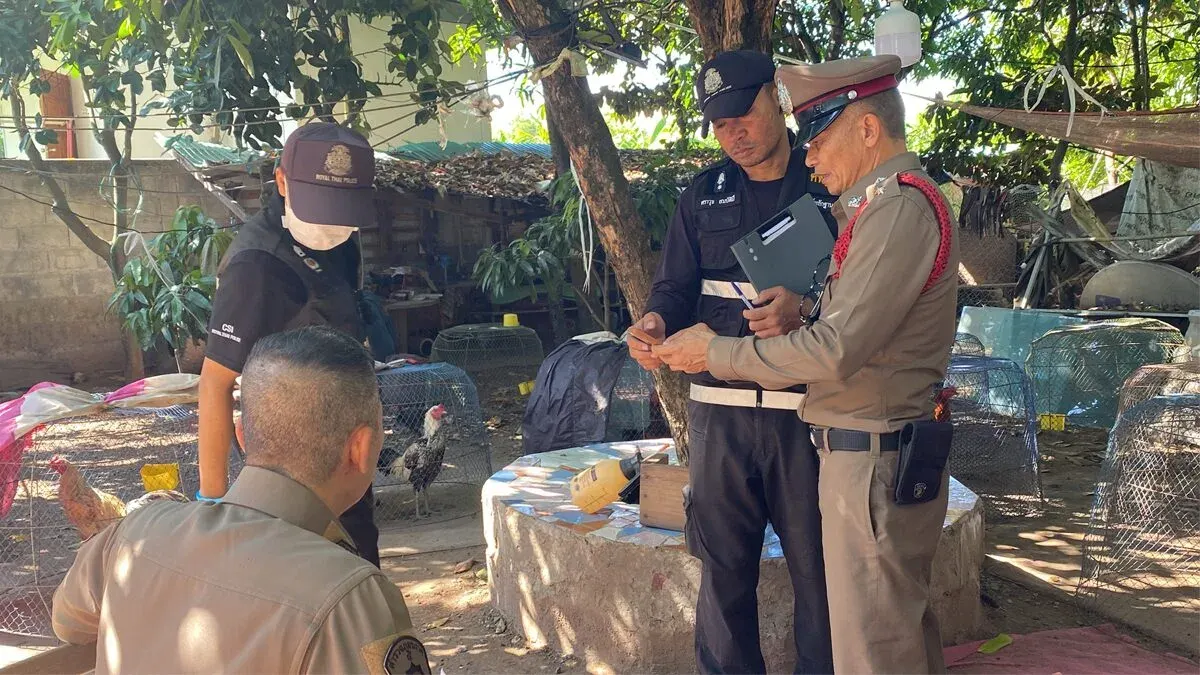
Luang Pu Seng's Famous Bronze Pig Amulet from Wat Bang Na
This article profiles Luang Pu Seng Chantharangsi, the revered former abbot of Wat Bang Na in Pathum Thani, detailing his life from ordination in 1922 through his tenure as abbot and his creation of famous sacred amulets. It highlights the origin story of his most renowned amulet, the bronze pig, which was inspired by a pig rescued from drowning at the temple in 1972 that lived beside his quarters for years.
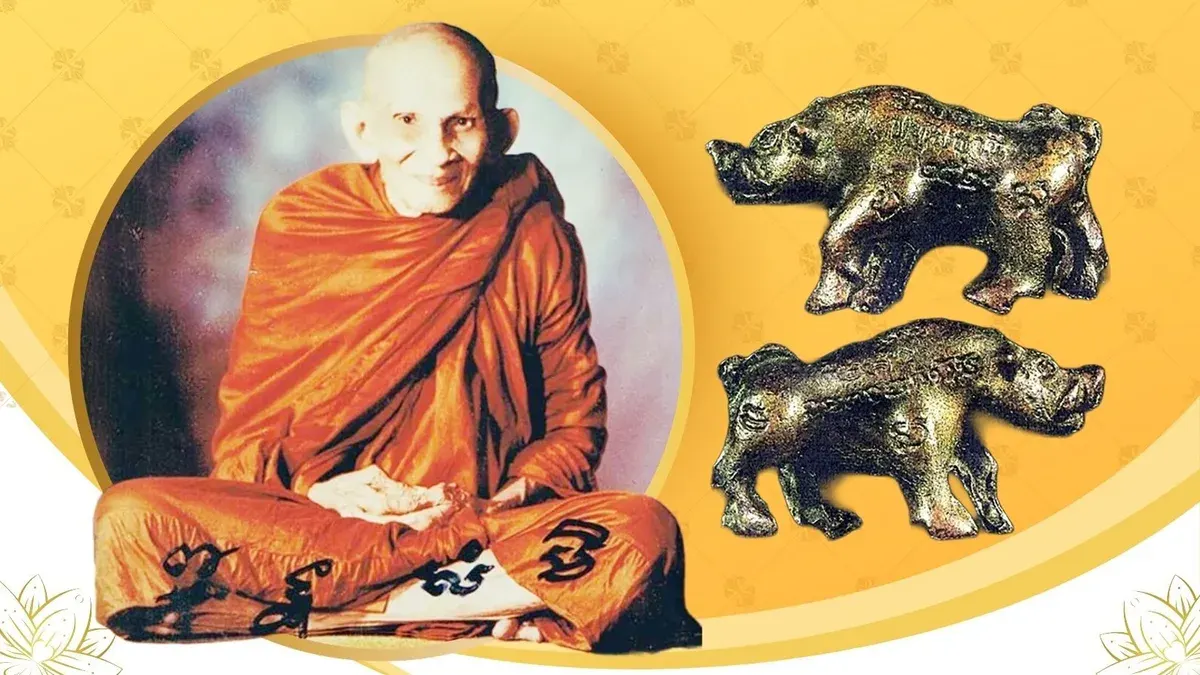
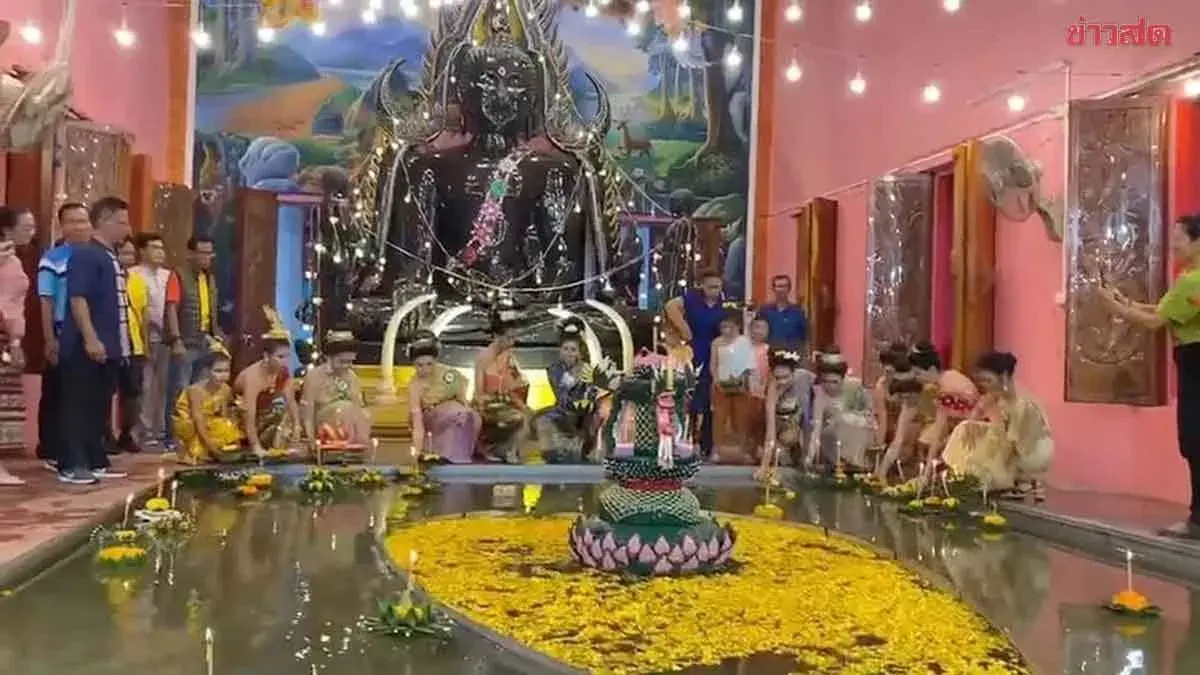
Wat Bang Na in Sam Khok District, Pathum Thani Province, is an ancient temple built by the Raman community and served as an educational center for local descendants. In the past, it was highly renowned, drawing the most merit-makers and many monks who came to study. The monks observed strict discipline, earning the villagers' deep faith. Especially revered was Phra Khru Mongkhon Thammasunthon, or Luang Pu Seng Chantharangsi, the former abbot of Wat Bang Na, considered the first monk to receive the monastic title and the one who began creating the temple's famous sacred objects.
Luang Pu Seng was a local native, born in 1901. His Chinese father arrived by boat along the Sampaeng Canal from China to settle in Sam Khok. His father was Ju Sae Bung Seng, a Chinese immigrant, and his mother was Khem, of Raman descent. The family had seven children, but all siblings died of smallpox, leaving only him. He ordained in 1922 with Phra Khru Ramanmuni of Wat Bang Luang as preceptor, Phra Khru Baworn Thammakit (Luang Pu Thian of Wat Bot) as ordination teacher, and Luang Pu Thad Lahulo, abbot of Wat Bang Na, who was his uncle, as announcer. He received the name Chantharangsi.
He studied sacred alphabets and numerology from various teachers, and learned both Khmer and Raman languages until fluent. He also studied occult arts from Luang Pu Thian at Wat Bot. He had a strong dedication to seeking knowledge, memorizing everything taught. Luang Pu Seng was especially skilled in Khmer language and various sacred scripts.
In 1943, when Luang Pu Thad the abbot of Wat Bang Na passed away, Luang Pu Seng was appointed caretaker abbot. In 1944 he passed the highest Pali examinations, and in 1946 was officially appointed abbot. He taught monks and novices well while restoring the temple to prosperity, completing the ubosot construction left unfinished by his predecessor. He practiced austerity, going on pilgrimage yearly without fail, and devoted himself to meditation and chanting. In his free time, he would count the beads on his necklace, chanting constantly.
He governed the temple until age 65, when he began creating sacred objects. His first batch in 1967 was the three-tiered Somdej powder amulets, the temple's first edition. After distributing them to disciples, he continued making the famous bronze pig amulets in 1972. Luang Pu Seng strictly observed monastic discipline, was calm and taciturn, kind-hearted, and gave away whatever he had to anyone who asked. When receiving the four requisites, he never kept them personally but distributed them equally among resident monks, using excess for permanent temple construction.
He used funds to build Wat Wang Hin in Ban Rai, Uthai Thani, and renovated the dilapidated monks' quarters at Wat Bang Na. The reason for building Wat Wang Hin was that he saw villagers were extremely poor, the area was a hideout for bandits, and he feared locals and descendants would turn to crime.
He passed away peacefully on January 21, 1988, at age 87 with 66 rains retreats. While alive, he began creating sacred objects from 1967, the most famous being the bronze pig amulet. The origin: around 1972, someone threw a pig into the canal hoping it would die, but the pig's merit caused it to float among water morning glory and stop at the temple's waterfront. Hearing its cries, people rescued it. He raised the pig, which grew large within a year, eating and sleeping beside his quarters. Later in 1978... [text ends]