Mae Sai Rice Samples Pass Arsenic Standards, Easing Farmer Fears
Thai government tests confirm that 10 rice samples from Mae Sai district in Chiang Rai meet international arsenic safety standards, with levels well below Codex limits for both white and brown rice. The results ease consumer concerns and help farmers sell their harvest after some rice mills had delayed purchases due to water quality fears. Authorities plan to expand testing and continue monitoring agricultural products in the area.
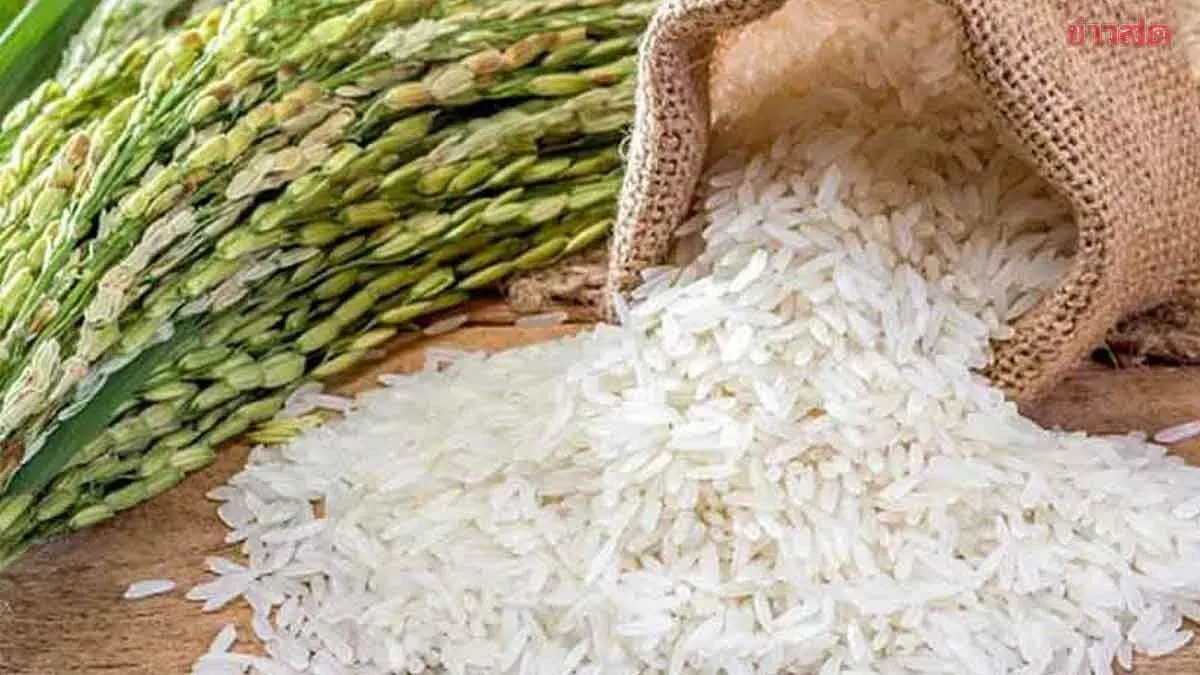
Deputy Government Spokesperson Lalita Periswathana disclosed that on November 23, 2026, Chiang Rai province, in collaboration with Rajamangala University of Technology Lanna Chiang Rai, visited the Mae Sai Agricultural Cooperative Limited, Sri Mueang Chum branch, to collect rice samples from four subdistricts: Ko Chang, Sri Mueang Chum, Sri Don Mun, and Wiang Phang Kham. Farmers and cooperative members acted as witnesses during the sampling to accelerate the inspection of arsenic contamination in rice from Mae Sai district, following concerns about water quality and agricultural produce that led some rice mills to postpone purchases during the harvest season. The rice submitted for testing consisted of three brown rice samples and seven white rice samples. The test results, announced on November 20, revealed that all 10 samples passed the Codex standard limits for inorganic arsenic — not exceeding 0.20 mg/kg for white rice and 0.35 mg/kg for brown rice — which are in line with international food standards. This scientific data aims to build confidence among consumers and rice buyers. Chiang Rai province will coordinate with relevant agencies to expand inspections and continuously monitor the quality of agricultural products. However, the results apply only to the samples collected in this round and do not guarantee that all rice fields in the area meet the standards. "The government prioritizes both consumer safety and farmer income," Ms. Lalita stated. "The fact that all 10 Mae Sai rice samples passed international standards is a positive signal that helps restore market confidence during the harvest season. Nevertheless, inspections must continue rigorously to ensure the public receives accurate information, consumers are assured of safety, and farmers do not lose income opportunities due to unsubstantiated concerns."