Man's Bank Accounts Frozen After Scam Victim's Report
A 37-year-old man's bank accounts were frozen after police linked his name to a scam targeting an elderly woman, though he was merely the unwitting recipient of the fraudulent transfer and is now waiting over a month for the freeze to be li
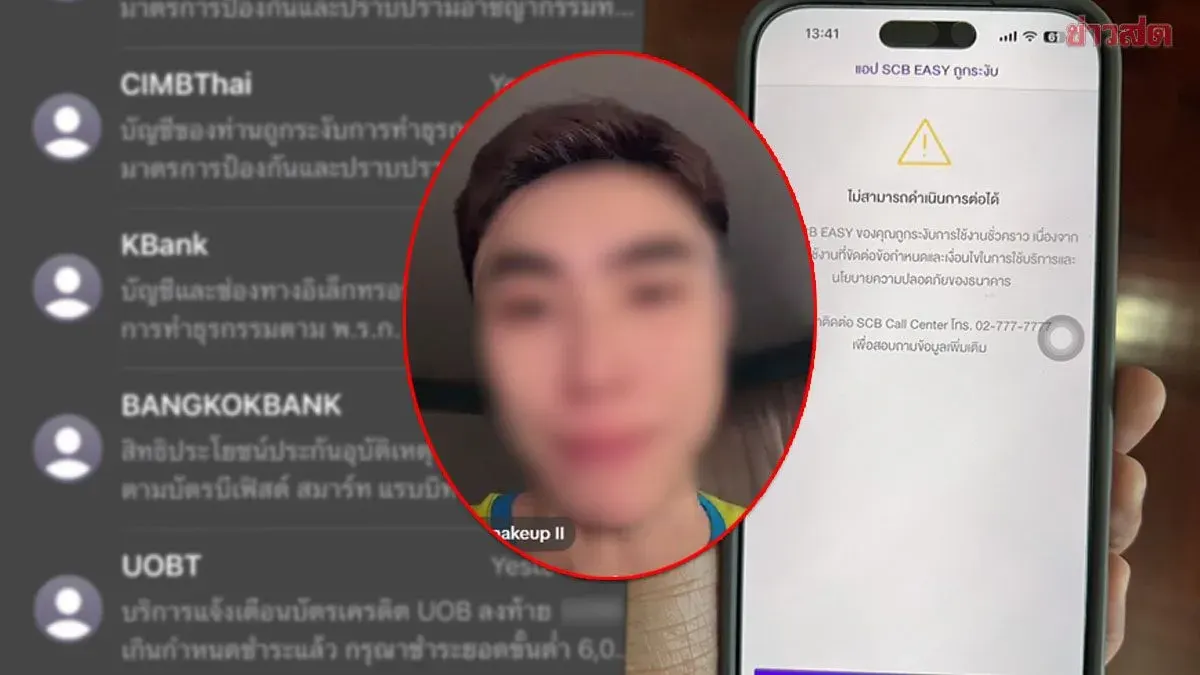
A TikTok user going by "Champ" posted a video describing how all his bank accounts were suddenly frozen, writing that he "became a dark horse account out of nowhere" and questioning who would take responsibility for his suffering and losses.
On July 20, 2569, Nontaphat, 37, known as Champ, told Thai News that on July 9 he received a notification that one of his bank accounts had been suspended for online use. He didn't pay attention at first since he rarely used that account. The next day, he learned all his other active accounts had also been frozen. When he called the bank, staff directed him to contact the Technology Crime Investigation Division (TCID) at 1441. TCID then instructed him to file a report with local police at Prachachu station.
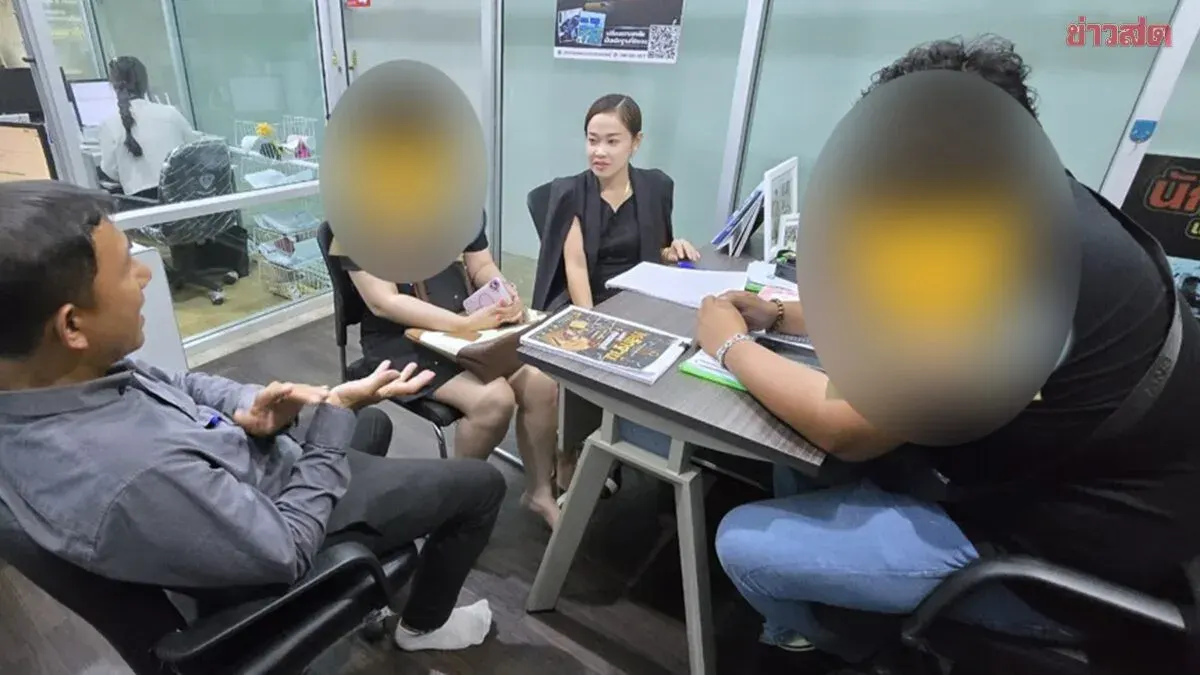
When he arrived at the police station, he discovered that an elderly woman was filing a complaint against a scammer. She explained that she had been defrauded by someone claiming to refund her electricity meter fee—about 10,000 baht. The scammer sent her a QR code to scan for 5,200 baht, which was registered under Champ's name. Once the money left her account and never returned, she reported the fraud to police. The scammer then blocked her, making it appear that Champ was the fraudster. However, after speaking with the woman directly, they both understood the situation and she wanted only to recover her money.
Champ said he wanted his accounts unfrozen so he could transfer money back to the elderly woman. He received an order to lift the freeze and took it to the bank, but bank staff were confused, saying the freeze was issued by TCID. He had to return to Prachachu station to have officers enter the case into the system. As of yesterday, staff told him the case was logged but the process could take at least a month.
Champ expressed confusion about why all his accounts were frozen when the original complaint only sought to freeze the account that received the fraudulent transfer. He is also puzzled about how his name became attached to the scammer's account, as he never clicked any links or fell victim to fraud himself—he only conducted normal shopping transfers.
The impact on him has been severe. He received money into only one account, yet all his bank accounts and every financial transaction linked to his national ID card were frozen. He cannot pay debts, cannot receive funds, and is being charged credit card penalties for unpaid bills despite notifying banks his accounts are frozen. He has been forced to use savings in cash, which he is running out of.