Nasopharyngeal Cancer Often Mistaken for Allergies, Colds
The user wants a short summary (1-2 sentences, 120-220 chars, max 240) of the article about nasopharyngeal cancer. Must be in English only. No quotes, no labels, no markdown. Just the summary text. Key points: Nasopharyngeal cancer is rare,
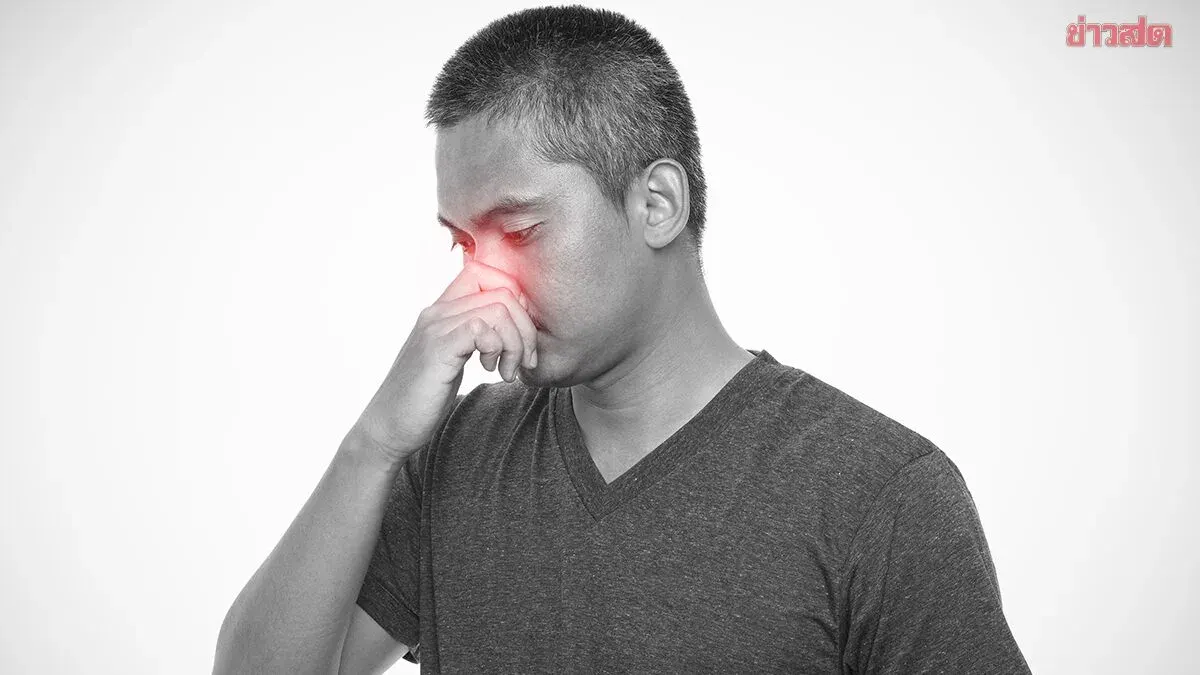
Nasopharyngeal cancer is a rare but aggressive head and neck cancer that originates in the nasopharynx or the sinuses beside the nose. Because this area is hidden deep within the skull, abnormalities are difficult to detect during routine physical exams, and patients often only seek medical attention after the cancer has spread, presenting symptoms like a neck lump, double vision, or hearing loss.
Major causes and risk factors include: - **Carcinogen exposure**: Cigarette smoke, wood dust, and chemicals in the textile, metal, and paint industries put workers in woodworking, metalworking, and construction at higher risk. - **Epstein-Barr Virus (EBV)**: This virus, which causes mononucleosis, is strongly linked to the disease and can trigger abnormal cell growth in the nasopharynx. - **Radiation exposure**: Individuals who have received radiation therapy for other head and neck cancers face an elevated risk. - **Genetics**: Hereditary conditions like Li-Fraumeni syndrome or Multiple Endocrine Neoplasia (MEN), as well as a family history of the disease, increase susceptibility. Certain genetic mutations, such as those seen in Familial Adenomatous Polyposis (FAP), may also raise risk. - **Diet and environment**: Consumption of fermented foods, salted fish, and preserved foods containing nitrosamines, along with exposure to smoke, air pollution, and smoking, are significant contributors. The disease is most commonly diagnosed in people over 40, particularly in Southeast Asian populations.
**Key symptoms** often appear on one side and differ from a common cold: persistent blocked ear, facial numbness, a painless lump in the upper neck below the ear, bloody nasal discharge, unilateral nasal obstruction, or double vision. Anyone experiencing these symptoms without typical cold signs like cough, sore throat, or runny nose should see a doctor immediately.
**Prevention** focuses on avoiding tobacco and excessive alcohol, minimizing workplace exposure to carcinogens by using protective equipment, and undergoing regular health check-ups, especially for those with a family history.