Nong Bua Lamphu's Iconic Striped-Tie-Dye Silk Wins Geographic Indicator Status
Nong Bua Lamphu's distinctive striped tie-dye silk has received geographic indicator status, recognizing its unique blend of two traditional weaving techniques and natural dyes rooted in the province's landscape and cultural heritage.
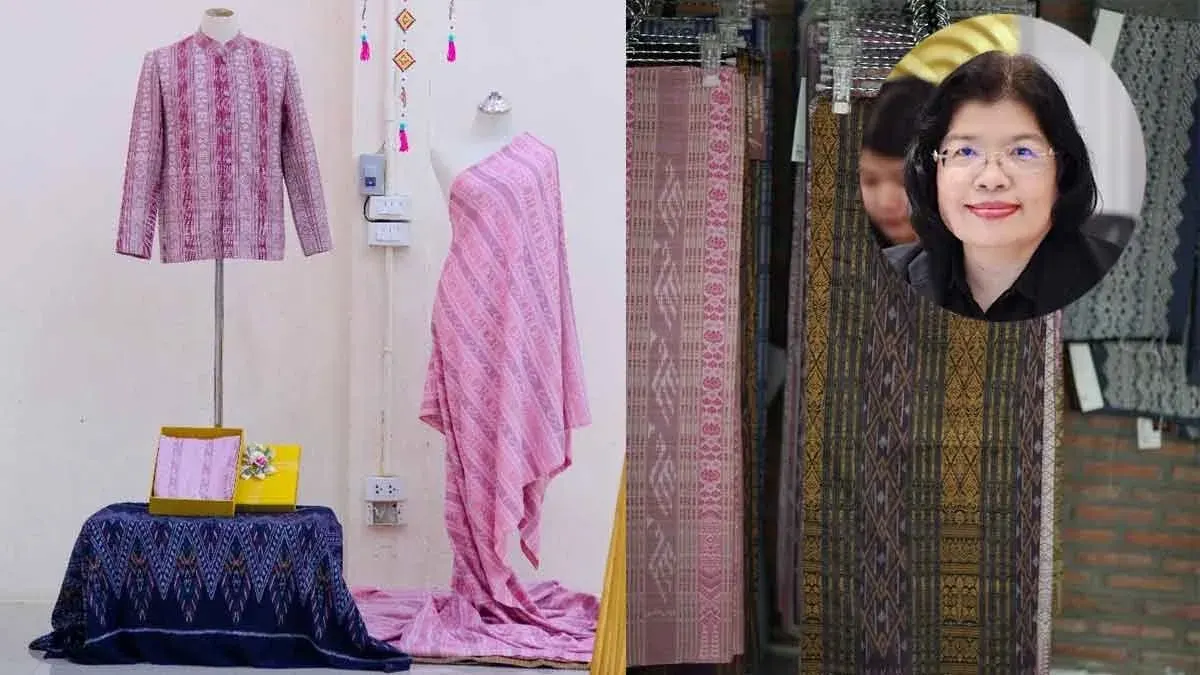
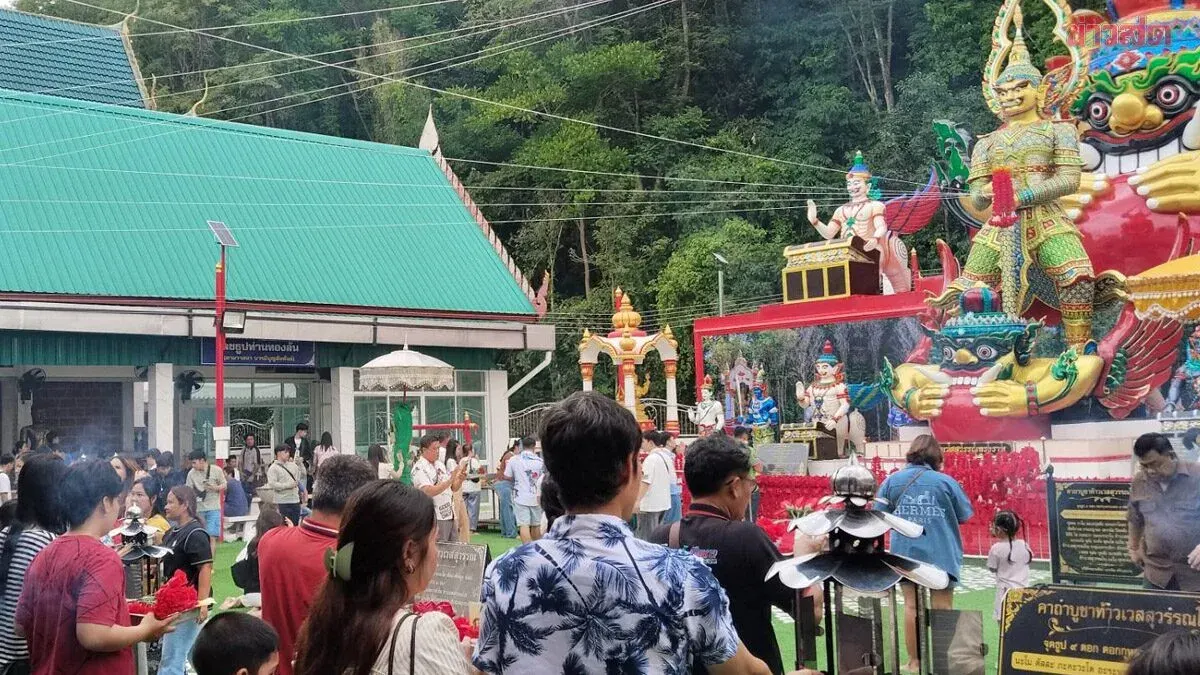
The Department of Intellectual Property has designated Nong Bua Lamphu's striped-tie-dye silk as an official geographic indicator product, recognizing its blend of two sophisticated weaving techniques within a single piece: raised-line striping and traditional ikat tie-dye. The patterns alternate throughout the fabric, creating visually distinctive designs with unique character that typically reflect local stories, ways of life, beliefs, and cultural values—including royal lotus, ornamental deer garlands, phoenix, and naga patterns. The craft's modern development began in 1982 after Queen Sirikit visited Tham Khlong Pehl temple and recognized the value of indigenous weaving wisdom, leading to the establishment of a specialized arts and crafts center to preserve and develop the skill before spreading knowledge across the entire province.
The fabric's distinctiveness also stems from its close connection to geography. Nong Bua Lamphu's basin landscape, surrounded by Phu Phan mountains with abundant natural water sources and suitable soil, enables high-quality mulberry cultivation for sericulture and cotton farming. The region is also rich in natural plants used for dyeing—including Pega trees, heartwood, rosewood, royal lotus, and Cassia fistula—creating distinctive color hues that, combined with traditional weaving wisdom and patterns, give the fabric its unique identity reflecting the relationship between nature, culture, and community knowledge. This is a core characteristic of GI products. Nong Bua Lamphu's striped-tie-dye silk is the province's second GI-registered product, following traditional Isan silk.
The GI designation covers whole cloth, sarongs, scarves, shoulder wraps, sabai (shoulder drapes), and textile products made from the fabric. The product currently generates approximately 41.50 million baht in economic value for the province. GI status builds consumer confidence and strengthens market competitiveness for producer groups, marking an important step in elevating the province's textile handicraft identity. The Intellectual Property Department will continue collaborating with relevant agencies to promote GI product use through production standard control and maintenance, promotion of the Thai GI trademark, consumer awareness building, and product development and marketing support to expand commercial opportunities.