How Often Should Office Workers Get Eye Exams?
Office workers should get eye exams at least once yearly, especially those spending 6-8+ hours daily on screens, as undetected vision changes and digital eye strain can worsen without professional assessment.
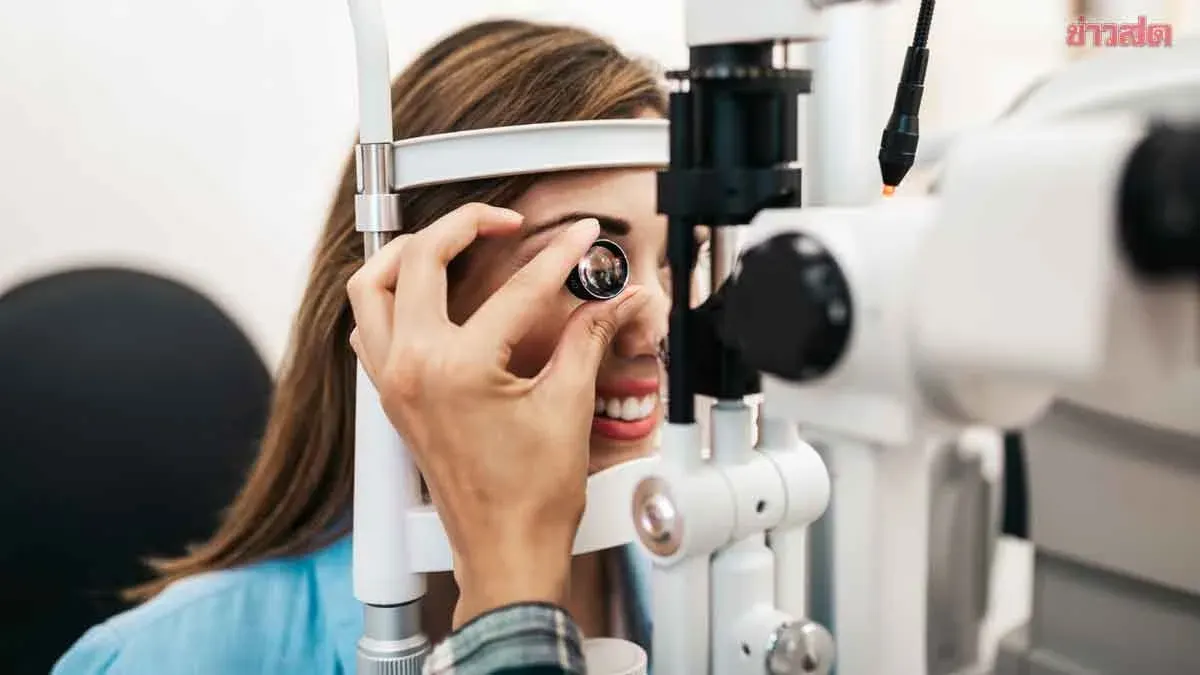
In an era where office workers spend nearly the entire day staring at screens—whether computers, phones, or tablets—eye fatigue, pain, blurred vision, and headaches after work have become something many people overlook. However, these symptoms may actually signal that you should undergo a comprehensive eye examination with an optometrist.
How often should office workers get eye exams?
Generally, office workers should have their eyes checked at least once a year, even if they have no obvious symptoms, because vision can change with age, work habits, and workplace environment. Particularly those who sit in front of screens for more than 6–8 hours daily face increased risk of digital eye strain, worsening nearsightedness, or undetected changes in astigmatism.
Why is an optometrist important for evaluation?
A visit to an optometrist is not merely about determining your prescription degree. It also involves assessing how your eyes work together, your focusing ability, and problems that may affect daily life—such as screen vision difficulties, poor night driving, blurred reading vision, or dizziness when wearing old glasses.
Warning signs that you should schedule an eye exam
For people already wearing glasses, annual check-ups are especially important, because lenses that no longer match your current prescription may force your eyes to work harder than necessary. Those who have never worn glasses but are starting to experience screen strain, frequent eye rubbing, blurry letters, or temple discomfort after work should also schedule an exam. Do not wait for symptoms to worsen before seeking care.
Benefits of annual eye exams in choosing appropriate lenses
Another reason office workers should prioritize yearly eye exams is selecting lenses suited to their lifestyle—such as lenses for screen work, anti-glare lenses, or progressive lenses for those developing age-related farsightedness. Expert guidance can improve visual comfort and reduce workplace fatigue.
Conclusion
If you are looking for an eyewear shop with professional optometrist services, understanding the optometrist's role will help you choose an eye care facility with confidence. Since your eyes are vital organs used intensively every day, regular eye exams are not a luxury but an investment in quality of life and long-term work performance.