Parliament Panel to Mediate Temple Dispute in Khon Kaen
A parliamentary committee will visit Khon Kaen on August 19 to investigate a dispute at Wat Pa Adulyaram where objects have been placed blocking temple access and disrupting religious ceremonies, stemming from an ongoing land rights conflic
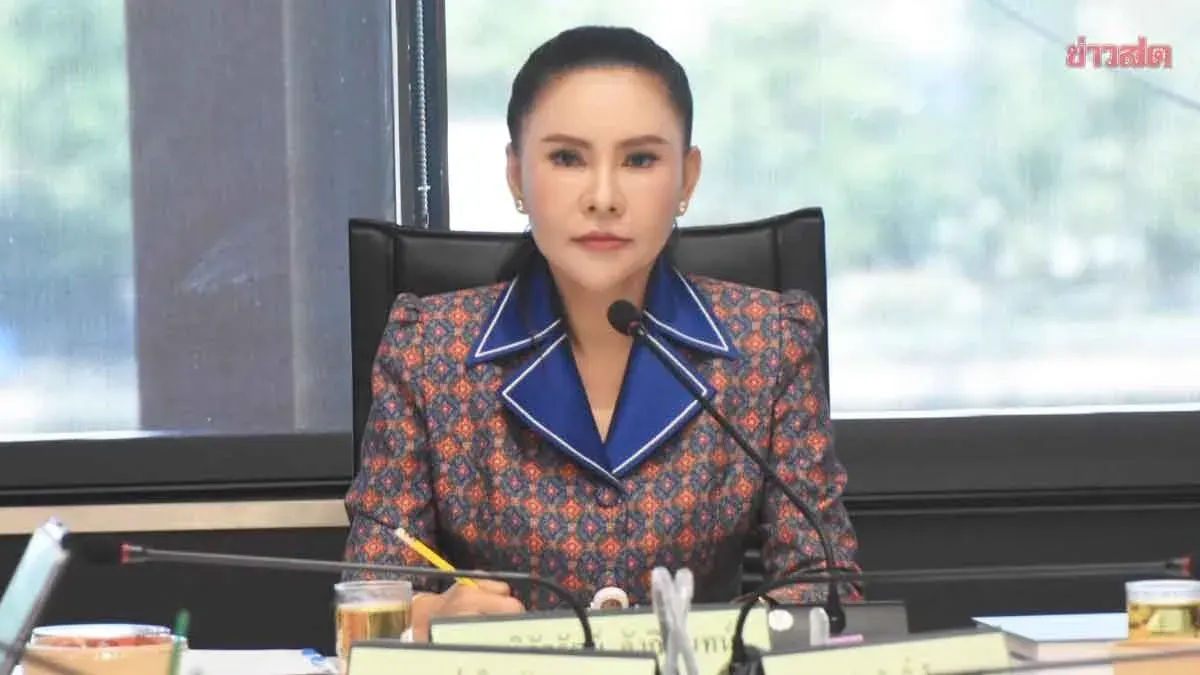
On August 14, Thiwarun Angkinandh, chair of the Parliamentary Committee on Religion, Arts and Culture, disclosed that the committee is taking urgent action to resolve a dispute at Wat Pa Adulyaram in Muang Khon Kaen after people placed objects blocking the temple entrance, disrupting access and religious ceremonies. The committee determined the issue requires immediate resolution to prevent broader damage to Buddhism.
Thiwarun said the committee voted to visit Khon Kaen Province on August 19 to investigate firsthand. The delegation will invite all relevant agencies and parties to discuss the matter comprehensively and seek a solution grounded in facts, law, and public order.
The site visit will include meetings with the temple abbot, the Khon Kaen governor, the provincial land office, the provincial Buddhism office, and the temple's lay committee to hear from all sides on land rights and the access blockade that directly affects religious activities.
The dispute is not new. Previously, the temple and heirs of the original land donor engaged in a land dispute that has gone through the justice system multiple times. The situation involves legal questions, land rights, management of temple property, and the relationship between the temple and local residents that require careful consideration.
"When disputes arise at temples and religious institutions, we do not want to see confrontation between monks and laypeople. The committee must investigate the facts from all sides to find a fair, lawful resolution. Our goal is to enable the temple to conduct its religious activities normally and resolve the dispute peacefully," Thiwarun said.
The chair added that beyond meetings with administrative and land authorities, the committee will pay respects to the provincial head of the Buddhist Sangha to hear the monastic perspective, especially on the Sangha's role in protecting and supporting Buddhism and preventing temple-laity disputes from escalating and damaging public faith.
Thiwarun stressed the committee's role is not to prejudge right or wrong, but to fulfill its legislative duty by verifying facts, coordinating with relevant authorities, and promoting concrete action by state agencies and the Sangha. If the root cause involves land boundaries or ownership, the land office and competent agencies must examine evidence clearly. If the issue concerns temple management, it must proceed through Sangha mechanisms and the provincial Buddhism office. Any actions affecting rights, access, or order require administrative and law enforcement action within legal authority, with all parties receiving fair treatment.
"Buddhism is the spiritual center for the people. Temples should not become areas of conflict. Resolving this requires separating facts from emotion and clarifying documents and rights," she concluded.