PEIT Warns UAE Trade Deal Threatens Thai Petrochemical Industry
Thailand's Petroleum Institute warns that a proposed free trade deal with the UAE on polyethylene and polypropylene could flood the Thai market with excess supply from expanding Gulf production capacity. The institute urges the government to maintain 3-5% import tariffs for 5-7 years and set import quotas to protect the domestic petrochemical sector, which contributes 8.5% of GDP and employs over 400,000 people.
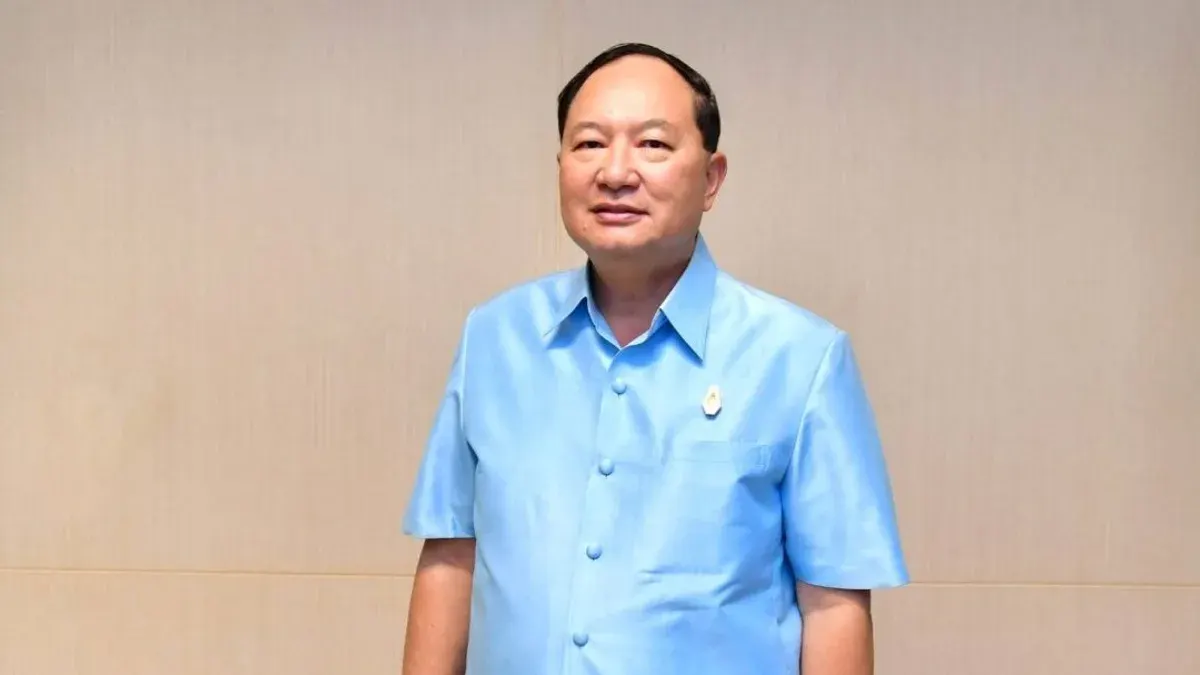
Petroleum Institute of Thailand (PEIT) Director Kurujit Nakornthap warns that the Comprehensive Economic Partnership Agreement (CEPA) negotiations between Thailand and the United Arab Emirates must carefully assess impacts on the domestic petrochemical industry, particularly polyethylene (PE) and polypropylene (PP) pellets, which are strategic raw materials linked to multiple manufacturing sectors. Currently, the petrochemical and plastic processing industry is a key economic pillar, generating 1.6 trillion baht annually, accounting for 8.5% of GDP, employing over 414,000 people, adding value over 20-fold, and earning 486 billion baht in exports, or 5.7% of total exports. 2025 data shows Thailand's combined PE and PP production capacity at 6.196 million tonnes per year, split between 2.511 million tonnes for domestic sales and 3.685 million tonnes for export, while domestic demand stands at 3.575 million tonnes annually, reflecting capacity sufficient for the local market. However, Thailand already allows free imports of plastic pellets, with imports exceeding 1 million tonnes per year, forcing Thai producers to rely on export markets for over 50% of output to maintain production levels and competitiveness. A key risk is the expansion of production capacity in the UAE and other Gulf Cooperation Council (GCC) member states, particularly the UAE, which plans to add approximately 1.8 million tonnes of PE and PP capacity by 2029, while domestic demand plateaus, likely resulting in 20-30% excess capacity flowing into export markets including Thailand and ASEAN. PEIT estimates that if Thailand opens its market without safeguards, domestic producers will face pressure from increased imports; every 10,000-tonne increase in pellet imports could widen Thailand's trade deficit by roughly 4.8 billion baht, with impacts cascading to downstream industries including packaging, automotive, electrical appliances, and construction materials, affecting investment, employment, and supply chain stability. Kurujit states that a strategy of increasing exports of other goods to offset UAE pellet imports of equal value may not reflect true economic benefit, as PE and PP are upstream raw materials creating continuous value addition across multiple industries, requiring assessment across the entire production chain rather than just bilateral trade figures. For negotiation guidelines, PEIT proposes Thailand maintain protective measures alongside market opening: maintain 3-5% import tariffs on PE and PP initially for 5-7 years before gradually reducing them, allowing Thai producers time to improve efficiency and prepare for competition, following the approach India and Indonesia took in negotiations with the UAE; set import quotas referencing historical trade volumes of 50,000-60,000 tonnes per year with continuous monitoring and review; prevent dumping and establish safeguards against import impacts to prevent domestic producers from facing unfair competition; and link trade to investment by encouraging UAE strategic investment in Thai petrochemical producers along with technology transfer and capability upgrading.