PM Anutin Challenges Opposition to Prepare for No-Confidence Debate
The user wants a short summary of the article, 1-2 sentences, 120-220 characters, max 240. Output only the summary text, no markdown, no quotes, no labels. The article: PM Anutin Charnvirakul addresses no-confidence debate timeline. Earlies
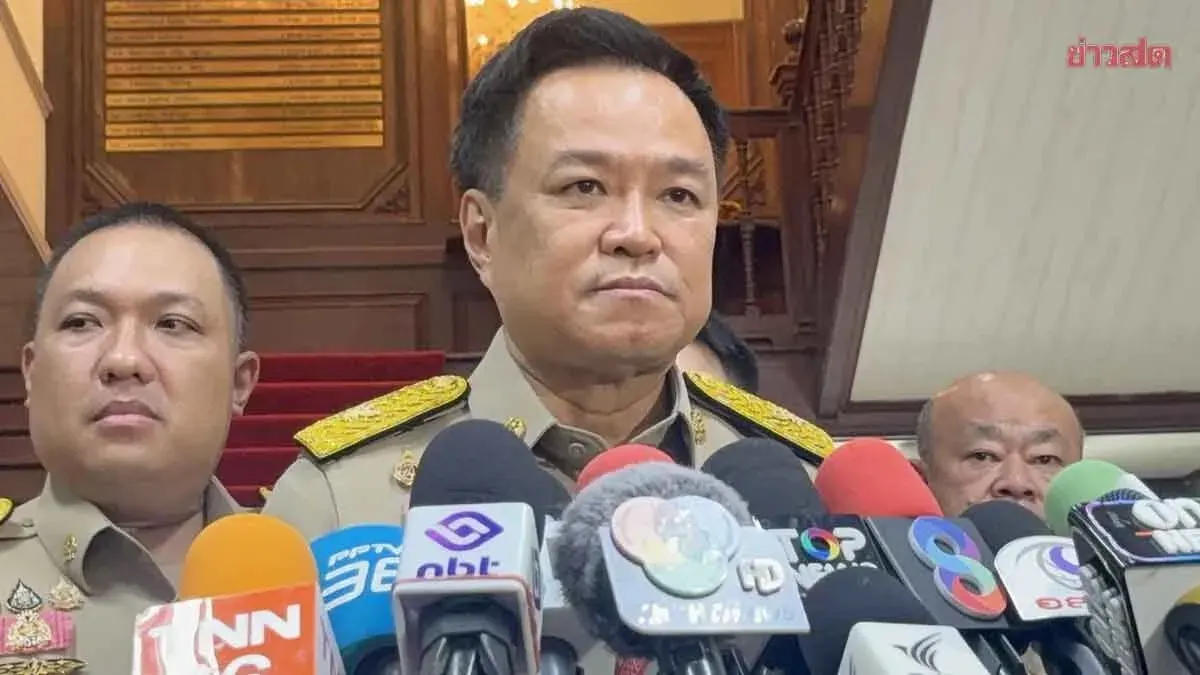
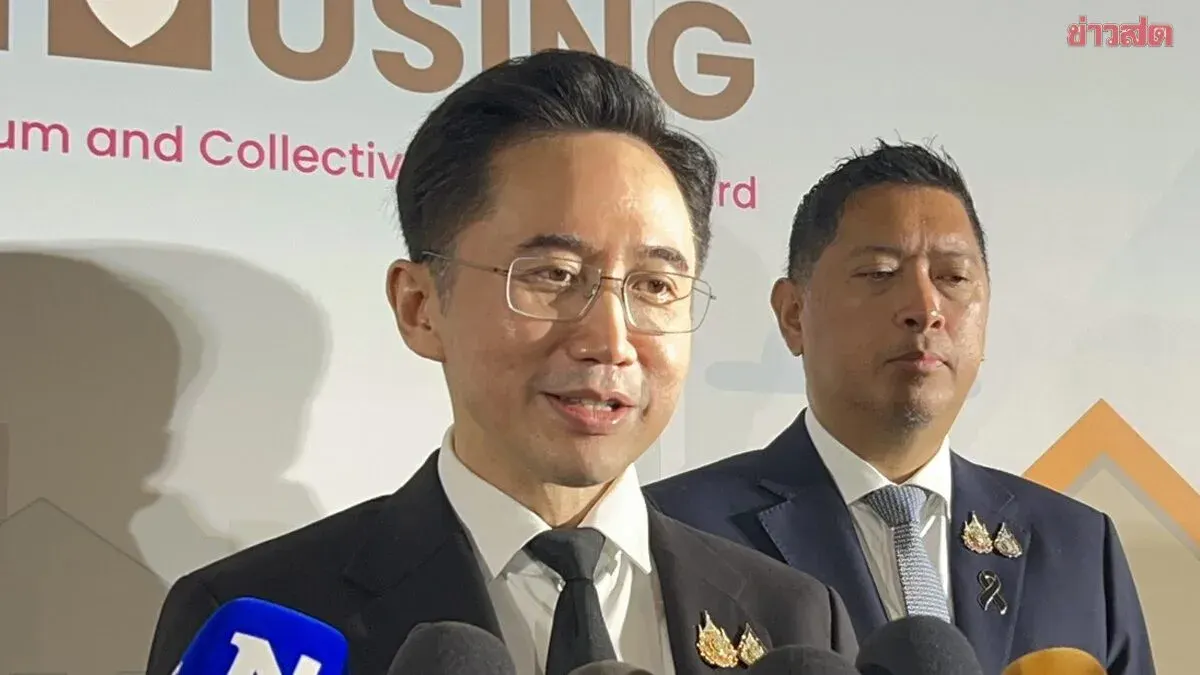
At 11:10 a.m. on October 26, 2026, at the Ministry of Interior, Prime Minister and Interior Minister Anutin Charnvirakul addressed the timeline for the no-confidence debate, stating the earliest it could be held might be in December, possibly the first week. He noted that everyone had been fully prepared since this week, while ministers named in the debate had cleared their schedules to attend. However, with the opposition refusing to allow the debate to proceed, the situation remains uncertain as ministers still have regular duties both domestically and abroad. Anutin said he must check each minister's availability, though he had already indicated November would be very difficult.
Asked whether the deadlock over a four- or five-day debate was political maneuvering, Anutin replied that the opposition must be consulted. Regarding the People's Party's internal controversy over a wine-drinking gathering potentially weakening scrutiny, he stated he would not interfere in another party's affairs. When pressed on whether there was still a chance if the opposition insists on five days, Anutin said government representatives have already negotiated. The government stands by its allocated time, asserting that if the opposition does its homework properly, one or two days is sufficient. He emphasized substance over duration: "If they've done something wrong, it doesn't take one day or five days — just ten minutes. If they think there's wrongdoing, present evidence, don't just make empty accusations. Focus on substance, not just on demanding time."
Anutin reiterated the government is ready to proceed once an agreement is reached. Asked whether coordination had reached House Speaker Sopon Sarakham about using his authority to decide if no agreement is reached, Anutin said the Speaker already holds that power, and the government is ready to cooperate and accept the decision of the relevant authorities.