Police Bust Rohingya Network Using Fake ID Cards
Thai police have arrested 11 people and are seeking six others in a major identity fraud scheme that issued fake ID cards to approximately 240 people, including Rohingya migrants, through a corrupt district office in Surat Thani Province be
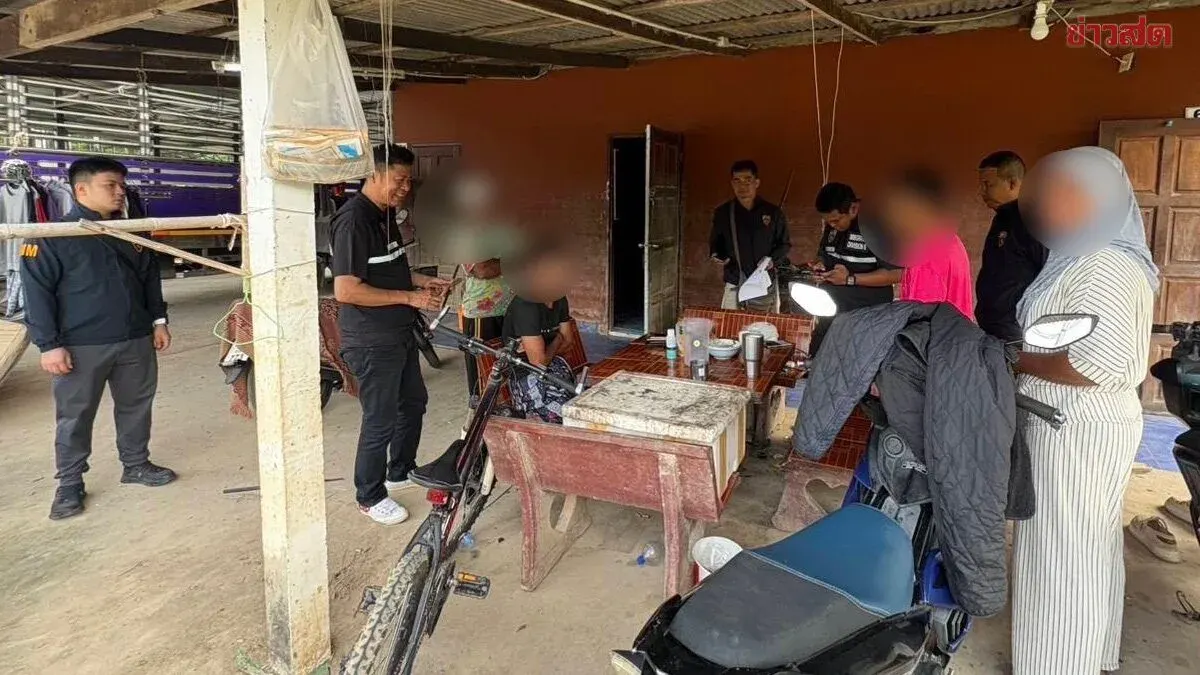
On July 4, 2025, Police Commissioner Kittarat Puntepetch ordered Deputy Commissioner Somran Nualmaa, along with senior officers and units including Region 8 Police, Surat Thani Investigation, Immigration officials, and coordinating agencies including the Department of Provincial Administration, DSI, and the Office of the Ombudsman, to launch "Operation Dismantle Rohingya Card Fraud Network" targeting identity document corruption.
Investigators obtained 17 arrest warrants for suspects consisting of: one former deputy administrator of Don Sak District; one former administrative employee; three homeowners who acted as guarantors; and 12 Rohingya individuals (with six currently evading authorities).
Charges include abuse of official authority, falsification of documents, fraudulent registration, and unlawful issuance of identity cards.
Deputy Commissioner Somran explained that complaints arrived in early 2025 from victims harmed by Rohingya who illegally obtained ID cards from Don Sak District Office in Surat Thani Province. The Department of Provincial Administration's anti-fraud task force (DOPA N.I.C.E) discovered that Pairat (surname withheld), the former Don Sak deputy administrator serving as assistant registrar, created accounts and issued illegal "number 0" identity cards between 2021-2023 to approximately 240 people, leading to the police investigation.
Deputy Commissioner Somran noted that document fraud now manifests in multiple forms including identity usurpation of inactive persons, false birth registrations, fraudulent marriages, and education rights violations. However, this Don Sak case specifically involved "fraudulent issuance of number 0 cards to stateless Rohingya," which poses significant security risks.
These Rohingya originated from Myanmar's Rakhine State and used Thailand as a transit point to third countries, with human trafficking networks involved. Some remained in Thailand, illegally entering or using fraudulent documents. They sought fake identity cards to survive safely in Thailand, with the network divided into broker groups who recruited landlords to register foreign nationals into household registries.