Police Identify Myanmar Suspect in Wife's Dismemberment, Manhunt Underway
Bangkok police have identified a Myanmar national, Ba Ya So, as the suspect in the brutal murder and dismemberment of his wife, whose body parts were found stuffed in sacks in a Lat Phrao alley. CCTV captured the suspect disposing of the remains over three trips on November 18. The suspect fled to a border province on November 22, prompting a nationwide manhunt. Forensic teams are working to confirm the victim's identity through DNA, as fingerprints were deliberately destroyed.
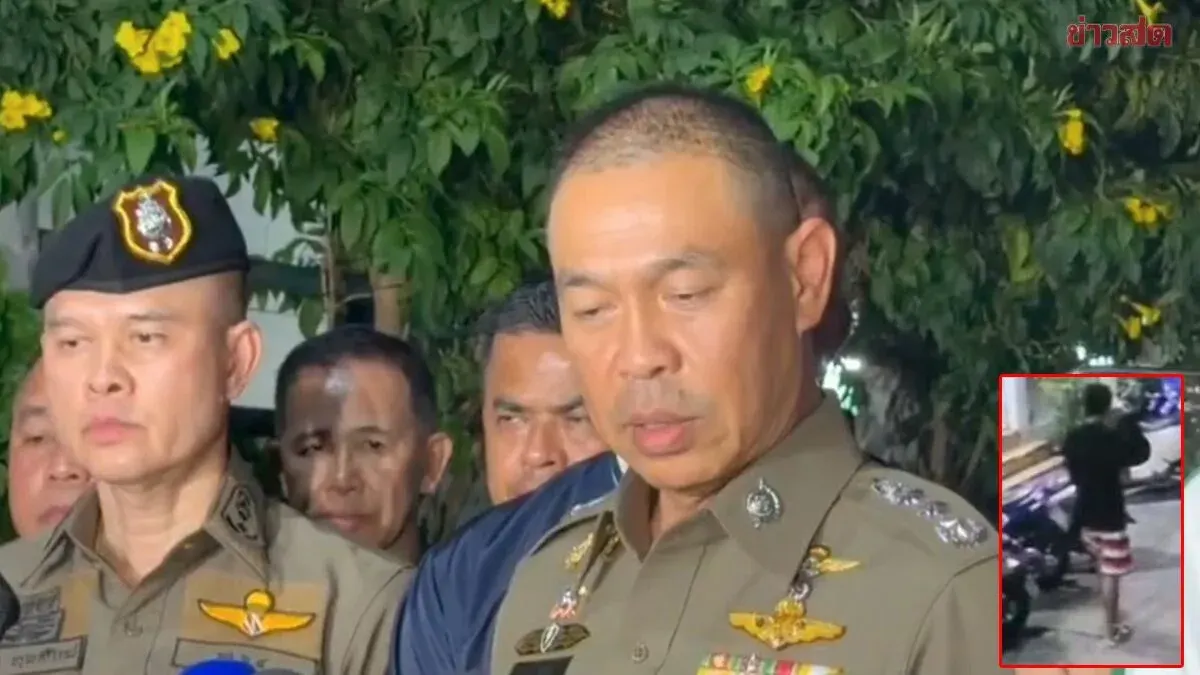
Metropolitan Police Commissioner Pol. Lt. Gen. Siam Boonsom revealed progress in the case of a young woman's dismembered body found packed in sacks and discarded in a roadside forest in a Lat Phrao alley. Authorities have identified the suspect as Ba Ya So, a Myanmar national. The victim is presumed to be his wife, also Myanmar, though forensic identification is still underway to confirm the match.
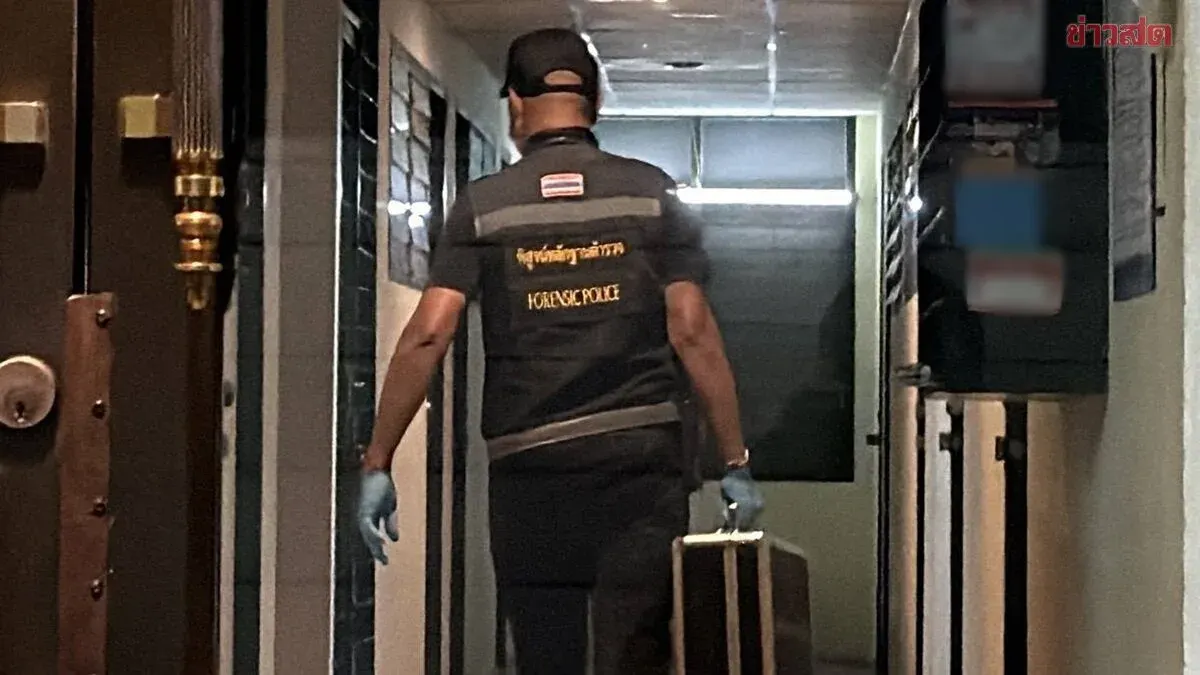
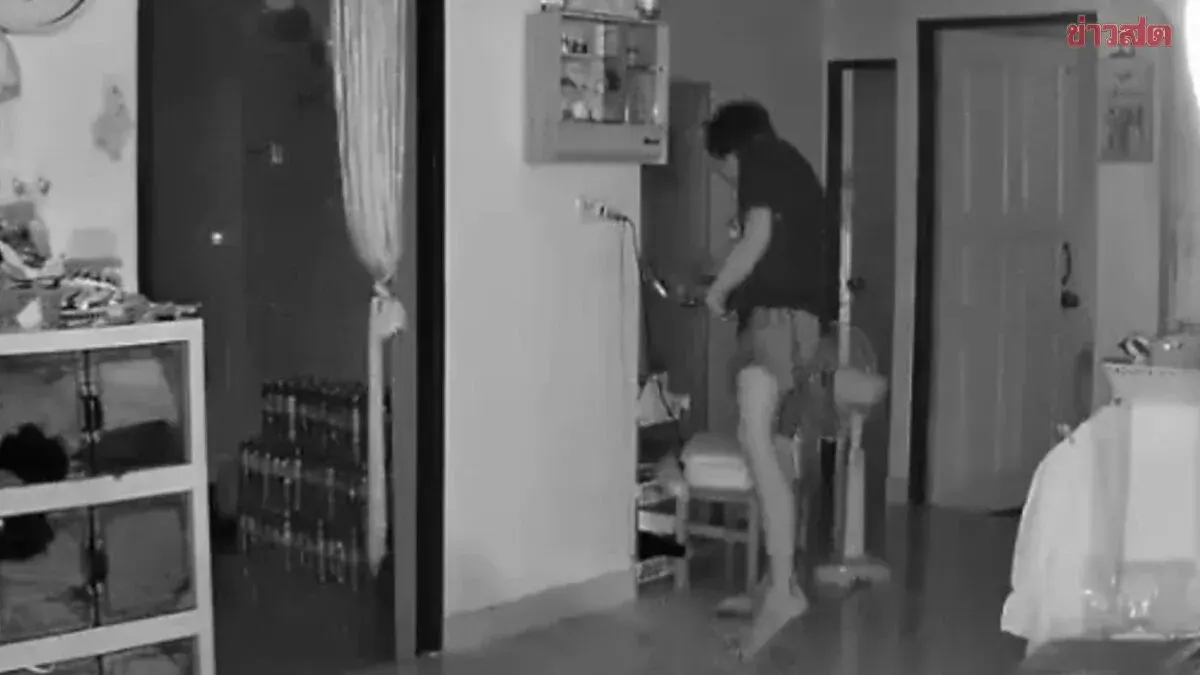
Investigation of the suspect's third-floor room revealed extensive bloodstains throughout, particularly in the bathroom. CCTV footage shows the suspect carrying sacks from his room to a garbage pile on November 18 at around 10:17 PM, making three trips total, the last carrying a bag containing the head.
Jealousy is the suspected motive. Neighbors reported frequent loud arguments between the couple. The victim likely died 5-7 days before discovery. Forensic examiners are determining whether dismemberment occurred before or after death, given the volume of blood at the scene.
The perpetrator dismembered the body into four parts: lower torso, trunk, head, and right forearm. Tissue on the left fingertips was removed, and the anal area was carved out, apparently to hinder identification. Internal organs, the heart, and the right forearm remain missing.
The suspect fled on November 22 around 5:00 PM after disposing of the body. Investigation places him in a border province, still within Thailand. Investigation teams are in pursuit.
Forensic pathologists are examining all body parts to determine cause and time of death, wound patterns, and the type of weapon used. Special attention focuses on the left face, which appears to have been carved, and varying tissue conditions across parts. Fingerprint identification is impossible due to deliberate destruction. DNA comparison awaits relatives or close contacts to come forward, so the victim's identity remains unconfirmed.