Recognize Warning Signs of Acute Coronary Syndrome
Chest tightness and radiating arm pain are critical warning signs of acute coronary syndrome, Thailand's leading cause of death; the Thoracic Disease Institute urges immediate hospital treatment since faster diagnosis reduces heart muscle d
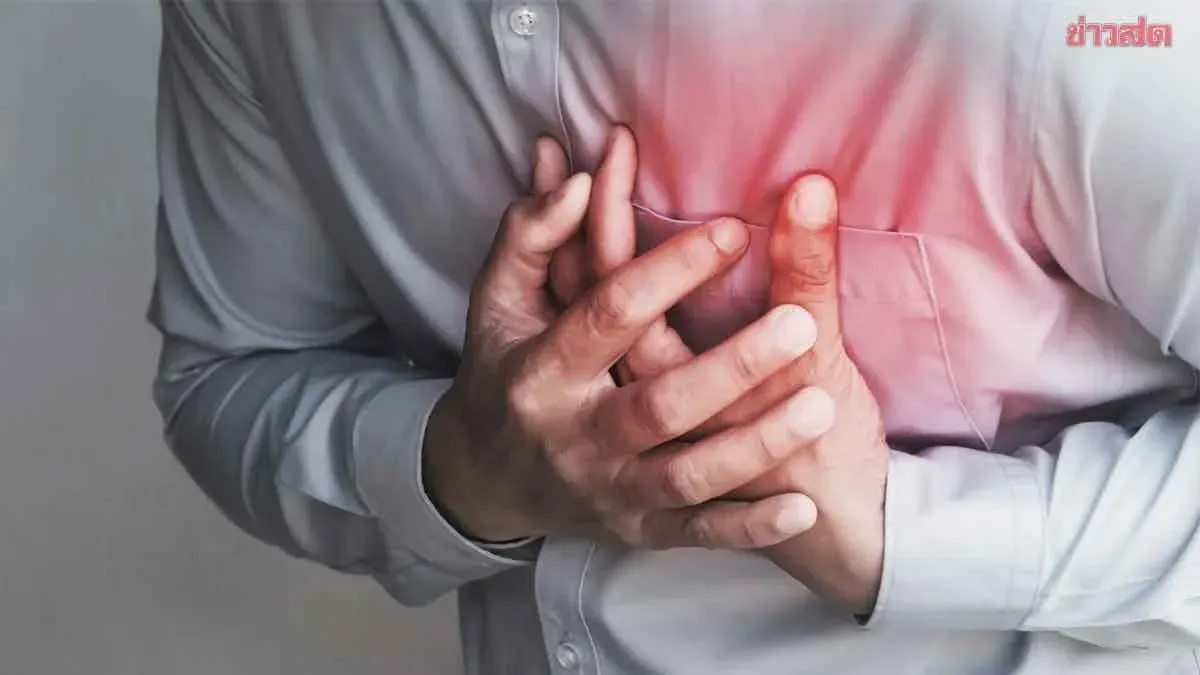
The Thoracic Disease Institute has released educational information about acute coronary syndrome (ACS), one of Thailand's leading causes of death. The institute emphasized that chest tightness is a critical warning sign of acute coronary artery disease. ACS is among the top causes of death in Thailand and globally, and the faster it is diagnosed and treated, the less heart muscle damage occurs. However, many patients reach doctors too late or are misdiagnosed with stress, anxiety, or ordinary muscle pain when their hearts are actually experiencing blood shortage. To help the public and caregivers understand warning signs, diagnostic methods, treatment, and ongoing care so patients can seek hospital treatment promptly:
1. What is acute coronary artery narrowing? The heart is nourished by three main coronary arteries. When fat accumulates in artery walls and thickens gradually, it is called "coronary artery narrowing." If the fat deposit suddenly ruptures, the body forms a blood clot that blocks blood flow to heart muscle, causing "acute heart ischemia" or what is commonly called "heart attack," which can be life-threatening within hours if untreated.
2. Symptoms of acute coronary artery disease. Common symptoms that should immediately suggest acute heart ischemia include: tightness, heaviness, pressure, or squeezing in the center of the chest—usually not sharp stabbing pain but rather a feeling of "tightness" or "something heavy pressing down." Pain may radiate to the arms, shoulders, neck, jaw, or back, especially the left arm. Sudden sweating without cause, accompanied by paleness, cold skin, unusual fatigue, heart palpitations, shortness of breath especially with exertion, nausea, vomiting, and dizziness. Some patients experience only these symptoms without clear chest pain. Symptoms persist for more than 15-20 minutes and do not improve with rest. "Unclear" symptoms to watch for, especially in elderly patients and diabetics, may lack obvious chest pain but include unusual fatigue, shortness of breath, mild chest tightness, and extreme weakness without apparent cause. Anyone with these symptoms and risk factors should see a doctor immediately. Young age does not mean no risk—high blood cholesterol, smoking, stress, heredity, and obesity can cause this condition even in people in their early 30s. If acute coronary syndrome is suspected, a 12-lead EKG should be performed for diagnosis.
3. Diagnostic approaches for acute coronary artery disease. When a patient presents with symptoms consistent with heart ischemia, the medically accepted standard of care includes: electrocardiogram (EKG/ECG) within the first 10 minutes of arrival at the emergency room—a simple, rapid test providing critical diagnostic information; blood tests measuring cardiac enzymes (troponin) to determine if heart muscle is damaged, with possible repeat testing at appropriate intervals since levels may not rise in the first hours; detailed medical history including symptom characteristics, duration, triggers, and risk factors such as high cholesterol, high blood pressure, diabetes, smoking, and family history; basic physical examination including heart and lung auscultation and vital signs; and echocardiogram (ultrasound of the heart), which can be performed at the bedside as a painless ultrasound examination.