Thai PM Dismisses AI-Generated Cambodia Border Clip, Reaffirms MOU 44 Cancellation
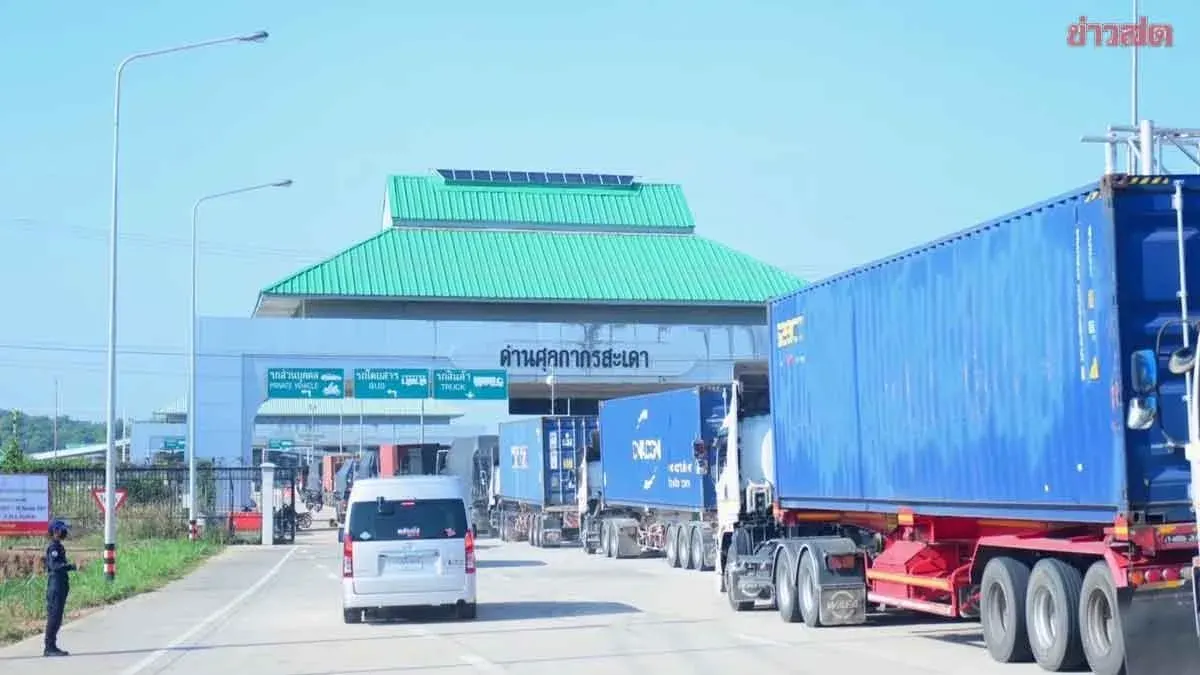
Thai PM Anutin dismissed an AI-generated audio clip as fake and confirmed Thailand will not reopen its Cambodia border following the cancellation of maritime agreement MOU 44.
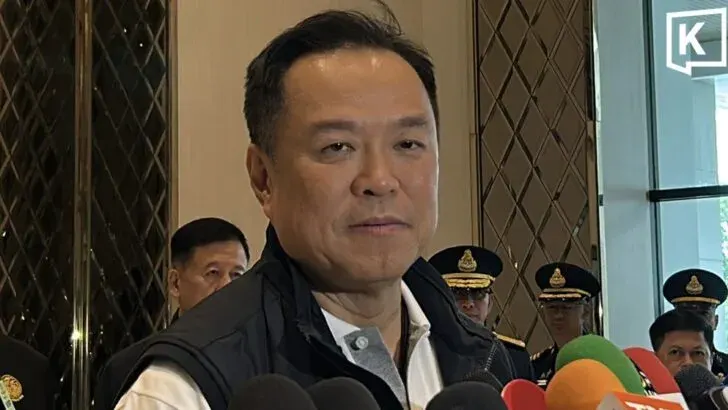
BANGKOK — On May 13, 2026, Thai Prime Minister and Interior Minister Anutin Charnvirakul dismissed a viral audio clip circulating on social media as an AI-generated fabrication, firmly stating that no border crossings with Cambodia would be reopened.
Speaking at 11:00 AM at Military Air Terminal 2, Wing 6 at Don Mueang Airport in Bangkok, Anutin told reporters the clip was entirely fake. "That is clearly AI. I do not speak that well," he said. "Do not believe it. The methods being used are becoming more inappropriate every day. It is completely unreliable. I never said it, and there will definitely be no reopening of the border."
His comments addressed tensions between Thailand and Cambodia following Thailand's cancellation of the 2001 maritime memorandum of understanding (MOU 44), which addresses overlapping maritime claims. When asked about posts from Cambodian Senate President Hun Sen urging Cambodia to halt bilateral maritime negotiations with Thailand, Anutin emphasized that Thailand acted unilaterally in canceling the agreement without requiring permission or consultation.
Anutin noted he had already informed Cambodia's prime minister of Thailand's decision during an ASEAN meeting in Cebu, Philippines, the previous week. Hun Sen acknowledged the decision, expressed disappointment, but maintained composure. According to Anutin, both countries agreed on their respective dispute resolution approaches—Cambodia would pursue compulsory conciliation mechanisms while Thailand would operate under the UN Convention on the Law of the Sea (UNCLOS). No format for future negotiations has been established, and Thailand is not rushing the process.
On the matter of Thai nationals reportedly detained by Cambodian soldiers, Anutin said Thai authorities were providing assistance. He noted that such incidents have historically been minor, often involving Cambodian citizens unintentionally crossing the border while fishing or through natural routes. When investigations determined they posed no security threat, authorities typically returned them. He expressed hope the same principle would apply to Thai citizens if they had not violated Cambodian law, urging that ordinary citizens not become caught between government disputes.
Regarding border security infrastructure, Anutin said the government had already approved funding for additional barriers and delegated implementation to security agencies responsible for different frontier sections, including the army, navy, and armed forces headquarters.