Thailand Approves 600-Baht Monthly Child Allowance for Ages 0-6
Thailand's government approved a universal child allowance of 600 baht monthly for children aged 0-6, starting in fiscal year 2570, as part of efforts to address declining birth rates and ensure quality child development. The initiative str
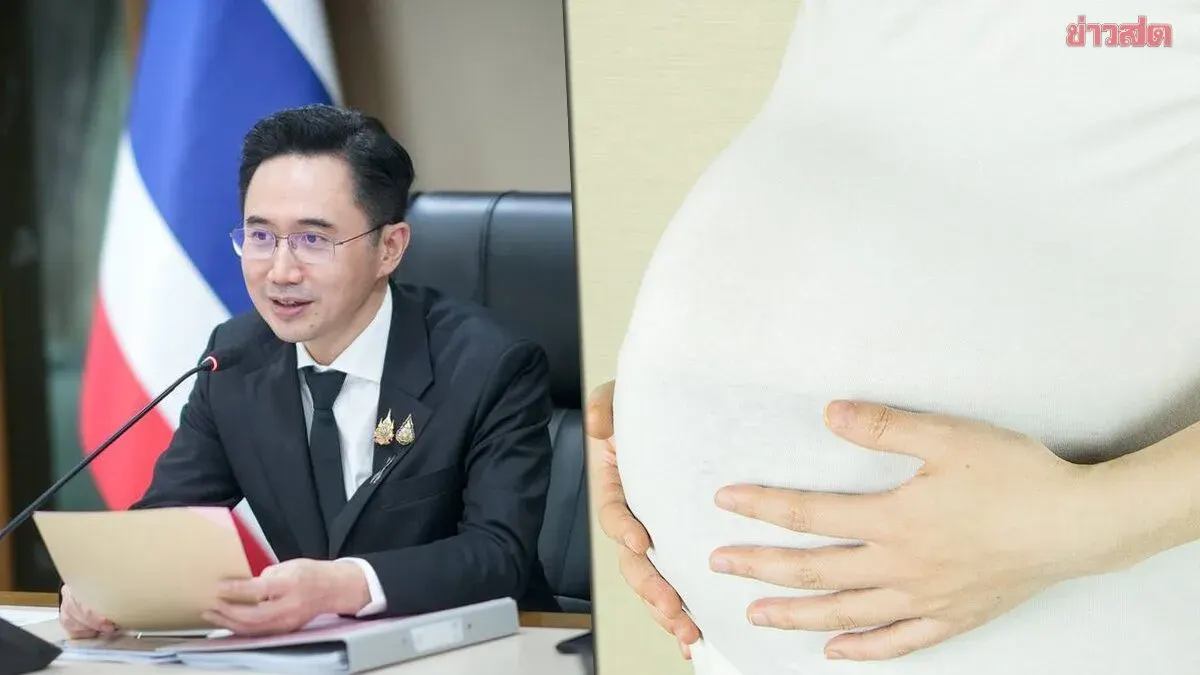
Thailand's National Child Development Board has approved a universal child allowance of 600 baht per month for children aged 0 to 6 years, starting in fiscal year 2570. Deputy Prime Minister Yossakul Vongsudsdi announced the decision on July 15 following a board meeting held the previous day, emphasizing that child and youth development is critical as Thailand faces rapid aging and declining birth rates. The government aims to ensure that children born in Thailand have quality development and productivity in an era of global economic, technological, and climate change challenges.
Vongsudsdi stated that comprehensive child development must address physical and mental health, life skills, and future career readiness through appropriate services and welfare programs designed to reduce inequality and ensure equal opportunity. He stressed that development must begin with meaningful participation from children and youth themselves, allowing them to voice their needs and obstacles while adults provide support and solutions.
The board approved universal child allowance payments at 600 baht per child per month beginning in fiscal year 2570. The Ministry of Social Development and Human Security will expedite Cabinet approval and eliminate the requirement for beneficiary lists to reduce registration steps and accelerate benefit delivery. Additionally, the board designated child development during the first 2,500 days of life as a national priority under the "2,500-Day Miracle" initiative, aimed at addressing demographic crisis and strengthening human capital through community-based care mechanisms and cross-ministry coordination.
The government also outlined a 10-year strategic plan for the Council on Children and Youth (2568–2574) covering six key development areas: 21st-century education, mental and physical well-being, employment opportunities, meaningful participation, climate change resilience, and protection from violence. The Education Ministry was tasked with ensuring youth representation in parliamentary education committees.