US Sets 18% Tariff on Thailand, Lower Than Vietnam's 35%
The United States has imposed an 18% tariff on Thailand under Section 301 for alleged excess production capacity, a rate significantly lower than the 35% levied on Vietnam and 25% on India. FETCO Chairman Kobsak Pootrakool noted the tariff does not stack with existing forced labor duties and that Thailand remains competitive with regional peers. A US hearing in late January will determine the final rate, while countries negotiating trade deals may secure reductions.
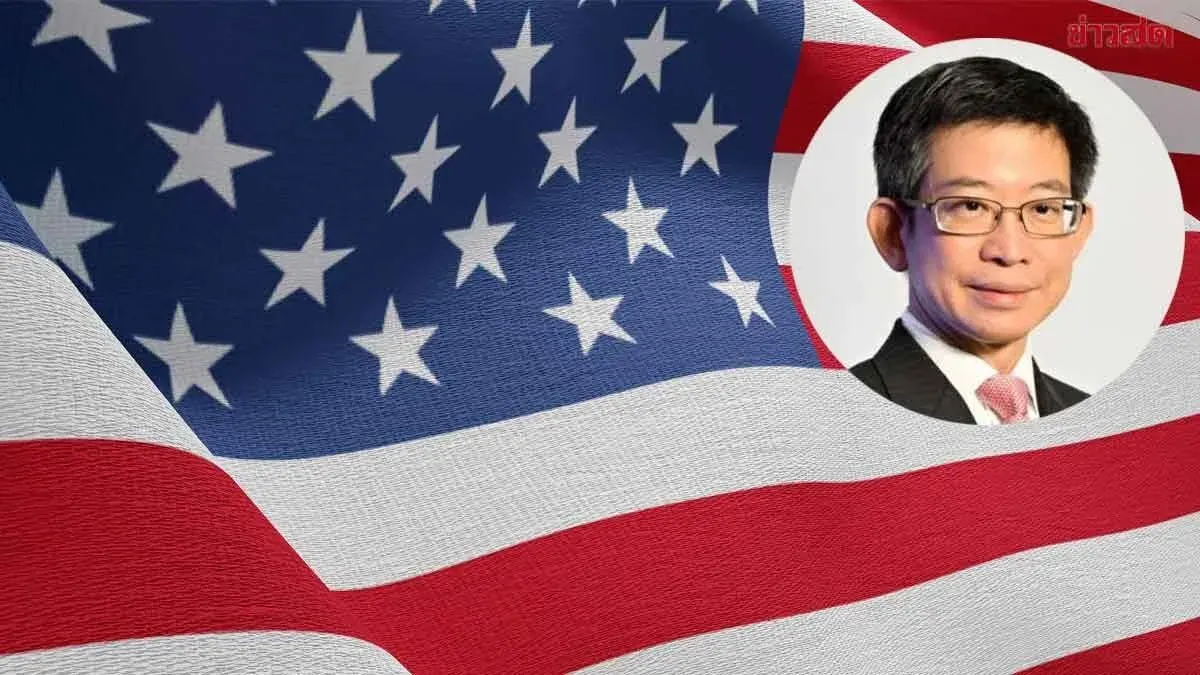
Kobsak Pootrakool, Deputy Managing Director of Bangkok Bank in his capacity as Chairman of the Federation of Thai Capital Market Organizations (FETCO), posted on Facebook (Kobsak Pootrakool) regarding the United States officially announcing an increase in tariffs on Thai excess production capacity to 18% on November 25 local time, using authority under Section 301.
The 18% rate for Thailand is a penalty under Section 301 related to Excess Capacity, which will accept comments until January 5, 2027, and hold a hearing on January 25 to decide whether it will stand and what the actual final rate will be.
Notably, the 18% does not stack on top of the 12.5% forced labor tariff but will be the maximum rate for product groups subject to both measures.
In this round, 14 countries received different rates: 35% – Vietnam 25% – India 20% – Singapore, China (though China differs as it is 'on top' of existing rates) 18% – Thailand, Malaysia, Indonesia, Bangladesh, Cambodia 15% – EU, Japan, South Korea, Taiwan, Switzerland
If these countries can conclude trade agreements with the US, they will receive lower final rates — for example, Singapore back to 10%, India 17%, Vietnam 20%, etc. Notably, the post-negotiation rates are close to the Reciprocal Tariffs these countries received last year. The 18% tariff for Thailand must be considered a competitive rate, allowing Thailand to compete with rivals and neighbors, similar to last year's round.
Simply put, the US is using Section 301 penalties to impose tariffs and pressure countries to negotiate, then accept tariffs at rates the US desires — but voluntarily — to bring US customs revenue back to previous levels and create a Reciprocal Tariff structure that the Supreme Court struck down early in 2024. Since it cannot be achieved by trickery or charm, it must be achieved by incantation.