The Prime Minister approved six anti-corruption strategies shifting from case-by-case fixes to systemic reform, with private sector support driving initiatives including anti-bribery campaigns, transparency projects, and OECD membership pre
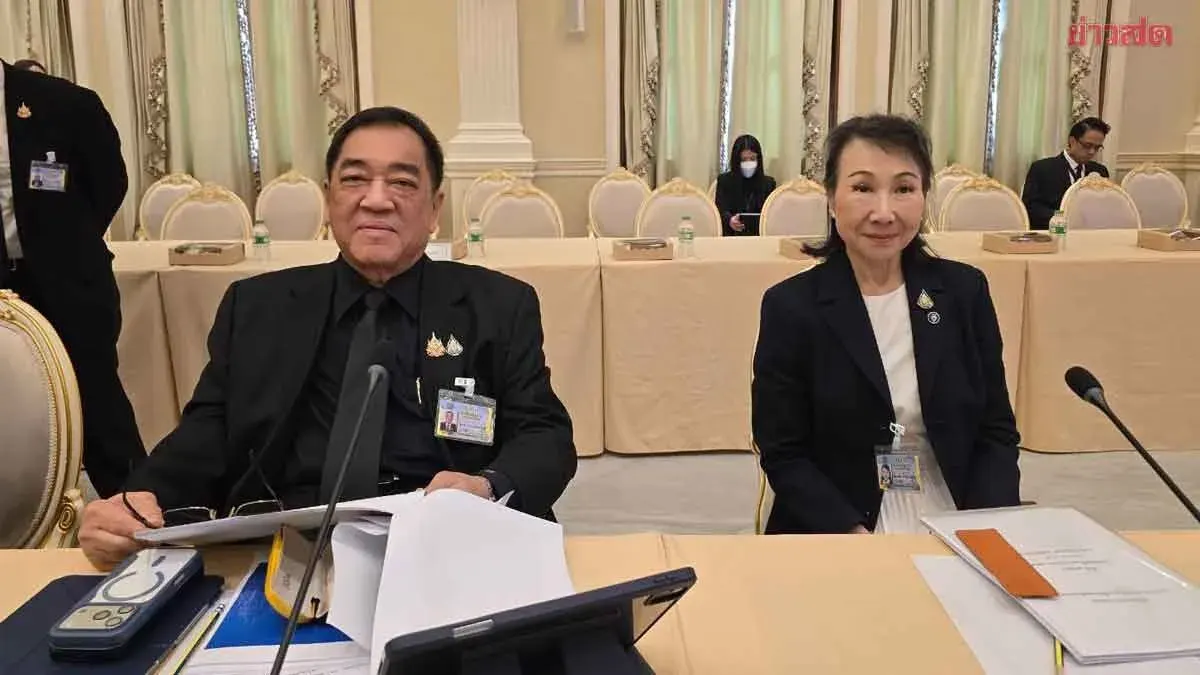
Prime Minister chairs anti-corruption coordination committee meeting and approves six key strategies to combat graft. Phot Aromwattananth, chairman of the Zero Corruption working group, revealed that the private sector praised the government's concrete efforts to fight corruption, shifting from case-by-case remedies to systemic reform aimed at reducing corruption opportunities, increasing transparency, and strengthening national confidence.
Many of the committee's resolutions align with private sector proposals reflected through the three-institution joint committee, including establishing anti-bribery mechanisms, promoting the "One Department, One Transparent and Bribery-Free" project, improving public sector licensing and service processes, and raising Thailand's corporate governance standards to support OECD membership.
"Today marks an important starting point because private sector proposals are being translated into concrete action. We believe reducing corruption requires cooperation from all sectors—government, private business, academia, and the public," Phot stated.
To support government operations, the Zero Corruption working group will drive six main strategies:
1. Campaign for "private sector rejection of bribery" to create a culture of "no giving, no taking, no paying bribes"
2. Promote corruption reporting through safe and accessible channels
3. Organize closed-door dialogues to gather business insights, analyze pain points, and develop joint policy recommendations with government
4. Support Thailand's OECD membership through advancing governance standards, transparency, and corporate accountability
5. Address "nominee ownership, shell companies, and money laundering" issues in coordination with relevant agencies to close loopholes undermining the economy and national confidence
6. Scale up model agencies for transparency and link licensing and public service reform to reduce hidden costs and improve service quality for citizens and businesses
Phot noted the group will also support implementation of the 2025 Public Services and Licensing Facilitation Act, a key law reducing unnecessary steps, limiting official discretion, and improving government service transparency, speed, and accountability. The law employs a "reduce two, increase one" mechanism—reducing discretion and face-to-face interactions while increasing transparency and accountability—to lower bribery opportunities, reduce hidden costs, boost investor confidence, and improve Thailand's Corruption Perceptions Index while preparing for OECD accession.
"The group is ready to work with the OFEC in communicating this law's importance to business and the public, ensuring all sectors understand their rights and can fully benefit from it, while gathering real-world feedback for continuous improvement," Phot stated.
The working group will also organize closed-door dialogues with government, business, and academic stakeholders.