Year-End Festivals Fuel Billions in Thailand Tourism Revenue
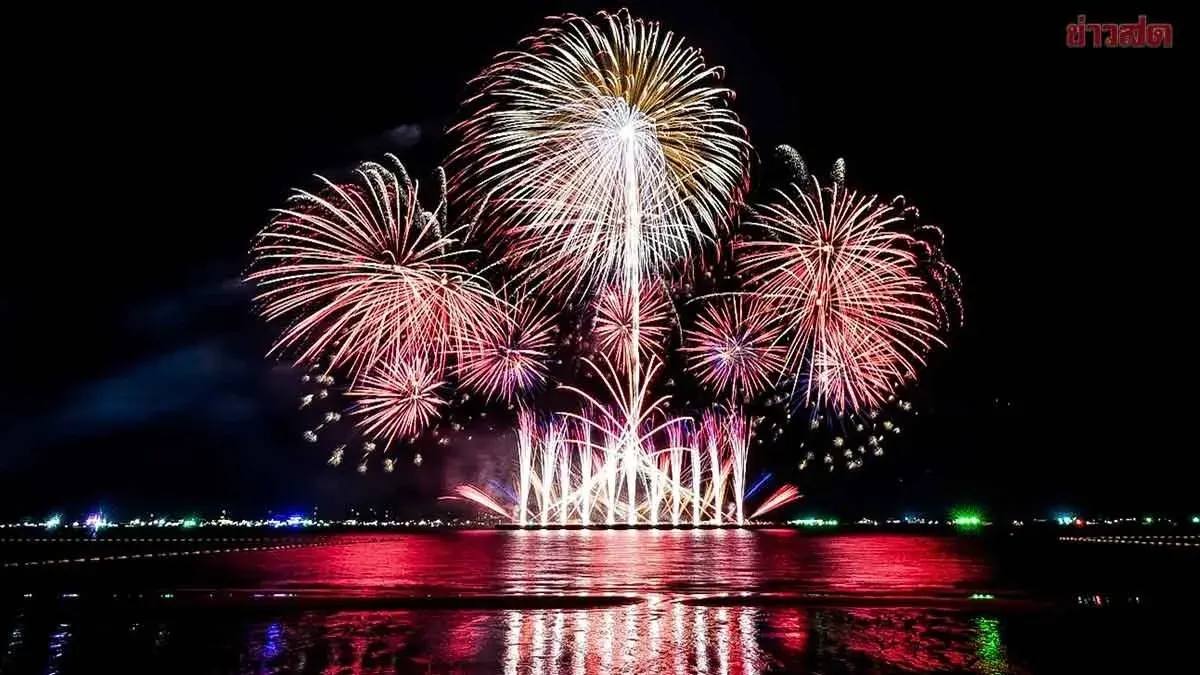
Thailand's year-end festival season is projected to generate billions of baht across multiple major events including Loy Krathong, Vijit Chao Phraya, and Tomorrowland. The Trade Policy and Strategy Office urges local businesses to prepare for increased visitor spending, emphasizing the importance of distributing tourism revenue to community-level enterprises through night economy activities and local products.

Major year-end festivals and events are drawing domestic and international tourists, circulating billions of baht across the economy. The Trade Policy and Strategy Office highlights this as a golden opportunity for hotels, restaurants, retailers, and local entrepreneurs, urging them to prepare products and services to capture visitor spending and ensure income reaches community-level businesses.
On November 29, 2026, Nanthaphong Chira-lekphong, Director of the Trade Policy and Strategy Office, revealed that Thailand's year-end high season is becoming a critical period for accelerating the "visitor economy" through large-scale festivals and events running day and night. These generate revenue not only for tourism but also link to accommodation, dining, transport, retail, services, and local operators.
This year, several activities hold high revenue potential. The Tourism Authority of Thailand projects the nationwide Loy Krathong Festival will attract about 1.83 million visitors, a 6% increase, generating roughly 6 billion baht. Meanwhile, "Vijit Chao Phraya 2026" is expected to draw over 1.4 million tourists and circulate no less than 8.6 billion baht.
Large events from late November through December add sustained momentum. The Amazing Thailand Marathon Bangkok 2026 has 71,435 registrants, projected to splash over 2.3 billion baht. The Thailand International Motor Expo 2026 builds on last year's 1.5 million visitors and over 70 billion baht in circulation. Tomorrowland Thailand 2026 sold out 150,000 tickets, expected to generate more than 21.386 billion baht.
Nanthaphong emphasized that the key lies not just in visitor numbers but in increasing "spending value per trip," particularly through the night economy, which extends spending hours, boosts overnight stays, and distributes income to nighttime businesses — dining, transport, retail, and services. This aligns with Bangkok being ranked the world's best city for nightlife in 2026 by Time Out.
For operators, the office advises preparing inventory, stock, and staff to meet rising demand, while incorporating GI products, community goods, and local identity to add value. Maintaining fair pricing and safety ensures high-season money flows to SMEs, farmers, producers, and communities.
Thus, the visitor economy is not merely about tourists but a mechanism linking trade, services, production, and local economies. If Thailand can convert visitor numbers into spending that is widely distributed and retained longer domestically, it will strengthen the foundational economy and generate income across the entire value chain.