Throwing a Punch - Election Trends in the Digital Society
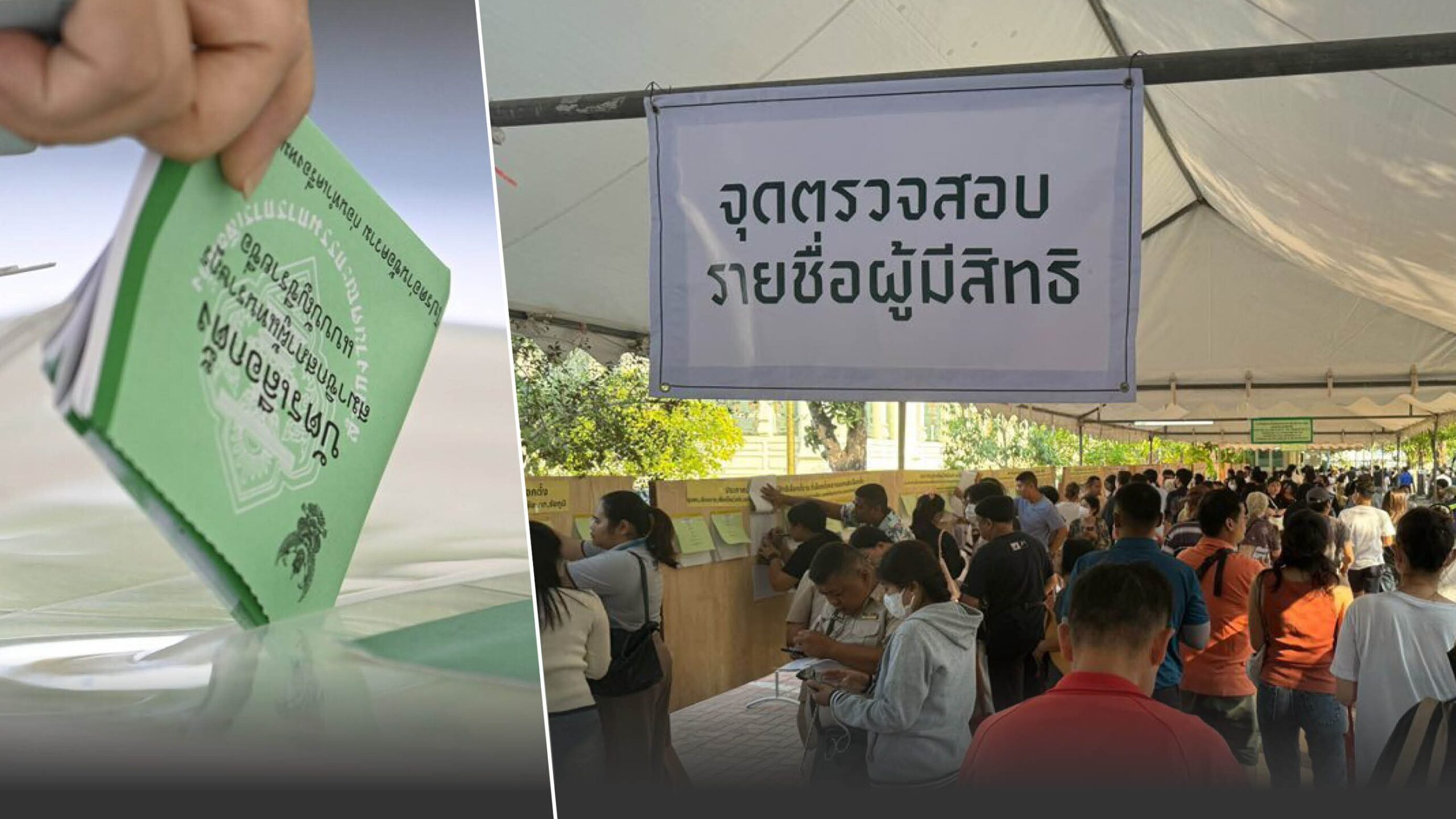
As the February 8th election approaches, the political temperature is not only reflected on campaign stages or billboards, but also clearly visible on screens and smartphones through search behavior on Google, the popular search engine.
Google Trends data clearly indicates that Thai people are becoming more active in the election process. Searches like "out-of-district voting" have surged by 870%, while phrases like "voting methods" and "voting procedures" have increased by around 60%.
These numbers reflect that citizens are not just interested in political outcomes, but are prioritizing the correct and comprehensive exercise of their voting rights. "Public referendum" is a search term that has increased dramatically, signaling interest and expectations for direct participation in constitutional issues.
In election-related categories, top searches include "advance voter registration", "checking voting rights", and "election date in 2569", showing that eligible voters are trying to understand their rights rather than waiting for information solely from government sources.
In the "policy" dimension, searches about party policies and key ministries like Public Health and Education reveal that people's political decisions are not just tied to personalities or images, but are linked to policies that impact daily life.
Searches like "voting card", "polling station", or questions such as "can I vote without my ID card" or "can I take photos at a polling station" highlight gaps in understanding election laws, rules, and regulations - a challenge for the Election Commission in communicating with the public.
Another noteworthy point is the interest in "political parties" and "representatives", from checking party members to laws and regulations related to MPs, showing that people are beginning to view politics as a system rather than focusing on individuals.
In the digital Thai society, citizens are not just going to vote, but are searching, understanding, and asking questions.
Therefore, political parties and the Election Commission should use Google Trends data to respond precisely, ensuring people can make informed decisions.