Alarming Development: Russia Claims Brain-Chipped Pigeons as Next-Generation Spy Drones
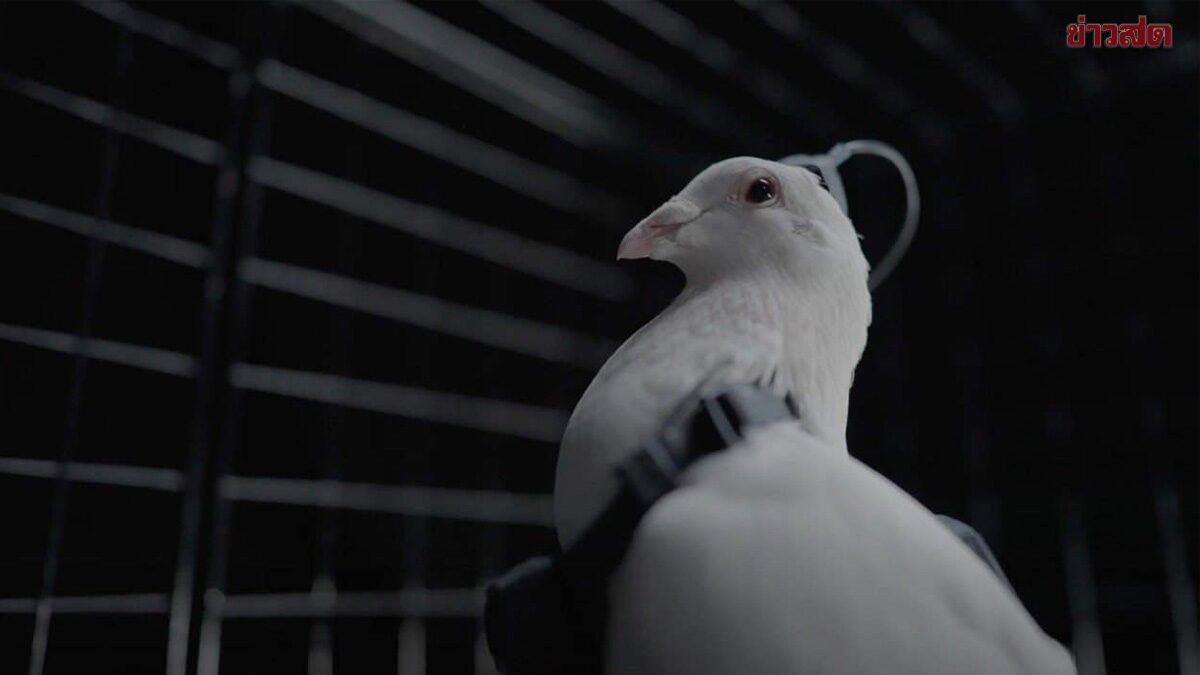
From animal to spy? A Russian startup called Neiry believes pigeons could be more effective than modern drones. Located in Moscow, the company claims pigeons have longer flight ranges, greater endurance, and can access areas traditional drones cannot.
Neiry states that pigeons don't rely on batteries, can fly in diverse weather conditions, and are easier to replace than repairing or producing new drones. The key question is how to control pigeons like drones. The company claims to have developed brain-implant technology that allows remote control, transforming pigeons into 'biodrones' - a hybrid of living organisms and electronic technology.
Small electrodes will be implanted into the bird's brain through the skull, connected to stimulation devices installed on the bird's head. Pigeons will also be fitted with small solar-powered backpacks containing controllers, electronics, and chest-mounted cameras for surveillance.
Neiry's statement indicates the control system will operate like standard drones, with pre-programmed flight missions and brain-stimulating devices sending electrical signals to direct the pigeon's movements using GPS and navigation systems.
The company claims no prior bird training is necessary, asserting that 'any animal can be controlled by radio waves' after device implantation. Their surgical team uses stereo-tactile systems for precise electrode implantation and guarantees a 100% survival rate.
While not yet commercially available, Neiry compares biodrone production costs to standard drone manufacturing. They highlight that pigeons can fly approximately 483 kilometers daily without battery charging and operate in restricted airspaces.
However, experts remain skeptical about the PJN-1 project due to limited disclosed information and Russia's history of failed technological ventures, leaving uncertain whether these 'biodrone pigeons' represent a future innovation or merely an exciting concept.