Shocking Truth: Research Reveals Brain Remains Aware for Nearly One Hour After Heart Stops
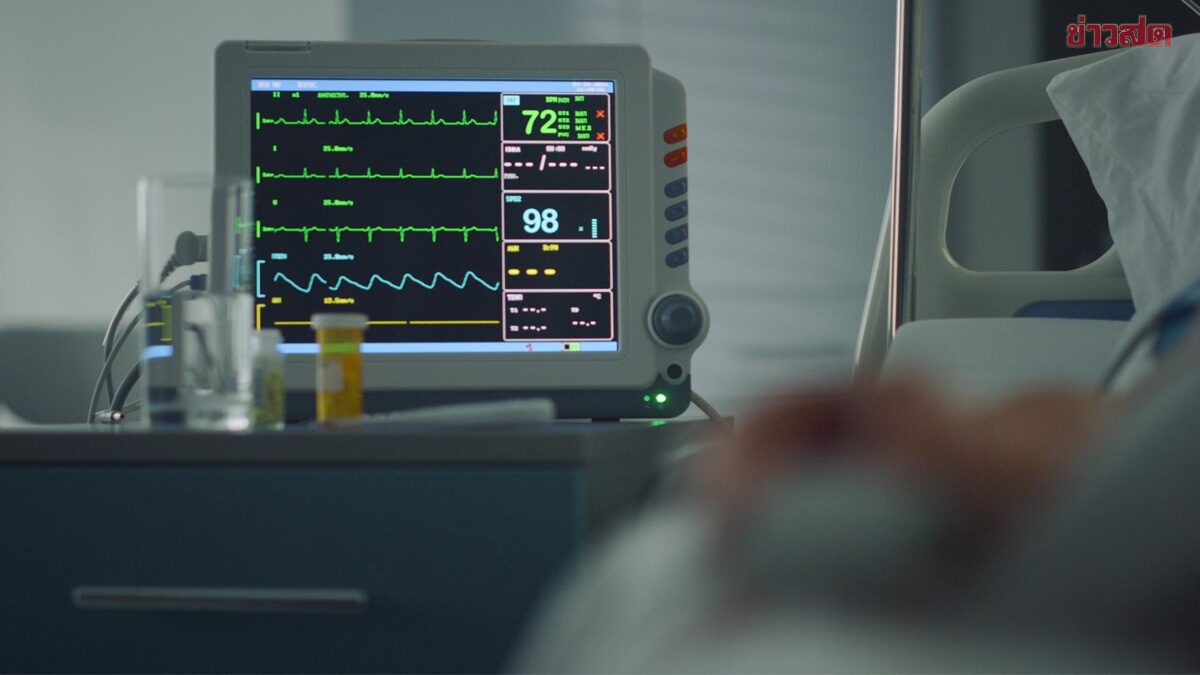
A groundbreaking medical research is creating waves in the scientific community, challenging existing understanding of death. Doctors in New York revealed that even after the heart stops, the brain can remain 'aware' for a period of time.
The study, published in the medical journal Resuscitation, indicates that brain activity continues even after a patient is clinically declared dead. This means patients might still hear conversations or even hear their own time of death being announced during the post-resuscitation period.
Dr. Sam Parnia from NYU Langone Medical Center led the research, studying 53 patients across 25 hospitals, mostly in the United States and United Kingdom. Survivors of cardiac arrest were able to precisely describe events in the emergency room.
The study found that 40% of participants had memories or conscious thoughts during cardiac arrest. Many reported feeling 'out of body' and able to perceive the treatment room's atmosphere and overhear doctors' conversations, despite being clinically considered deceased.
Brain wave measurements revealed several cognitive patterns, including gamma, alpha, and beta waves appearing 35-60 minutes after heart stoppage, reinforcing the concept that consciousness may persist even after physical systems fail.
Dr. Parnia explains that when blood circulation stops, some brain control mechanisms are suspended, allowing patients broader access to memories, thoughts, and emotions - almost like reviewing their entire life through a moral and ethical lens.
While the research sparks interest in near-death experiences, it may also lead to developing new resuscitation approaches and preventing brain damage after cardiac arrest. Ultimately, the study questions the definition of 'death' and suggests the boundary between ending life and perception might not be as clear-cut as humans have traditionally believed.