Giant Tortoise Returns to Homeland After Nearly 200 Years of Human-Caused Extinction on Floreana Island
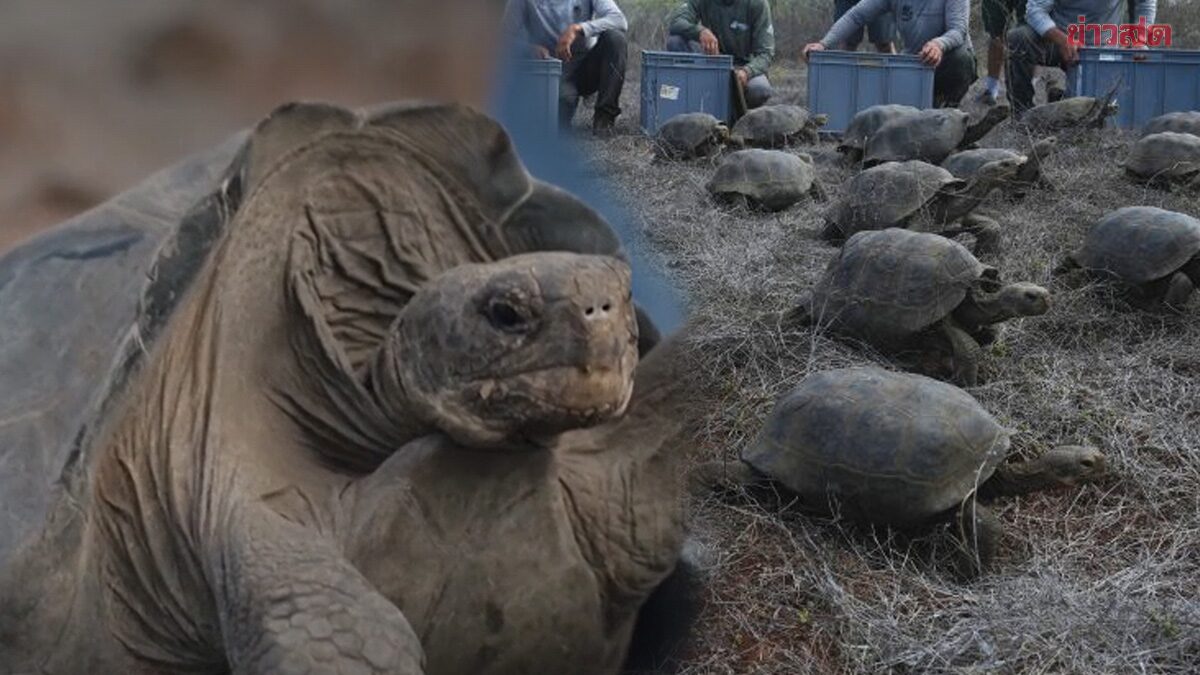
A giant tortoise species that went extinct due to human activities nearly 200 years ago has successfully returned to Floreana Island after scientists discovered genetically linked tortoises. On February 22, BBC reported that the giant tortoise has returned to Floreana Island in the Galápagos Islands for the first time in over 180 years, marking a significant conservation milestone experts call a 'historic step' in ecosystem restoration. The release of 158 young tortoises is part of the Floreana ecosystem restoration project led by Galápagos National Park Directorate, following scientists' discovery of tortoises with genetic links on Isabel Island. The native Floreana tortoise species (Chelonoidis niger niger) went extinct in the 1840s when sailors hunted them for food during long sea voyages, capturing thousands until the population was completely wiped out. A critical turning point came in 2008 when researchers found tortoises on Wolf Volcano with ancestral links to Floreana tortoises, leading to a 'back-breeding' project in 2017. Scientists selected 23 hybrid tortoises with the closest genetic similarity to the original species, breeding them in a conservation center and producing over 600 offspring by 2025. The Galápagos Conservation Trust notes that these tortoises are 'ecosystem engineers' crucial for landscape transformation, seed dispersal, and vegetation control. The release represents not just hope for Floreana Island, but a model for ecosystem restoration worldwide.