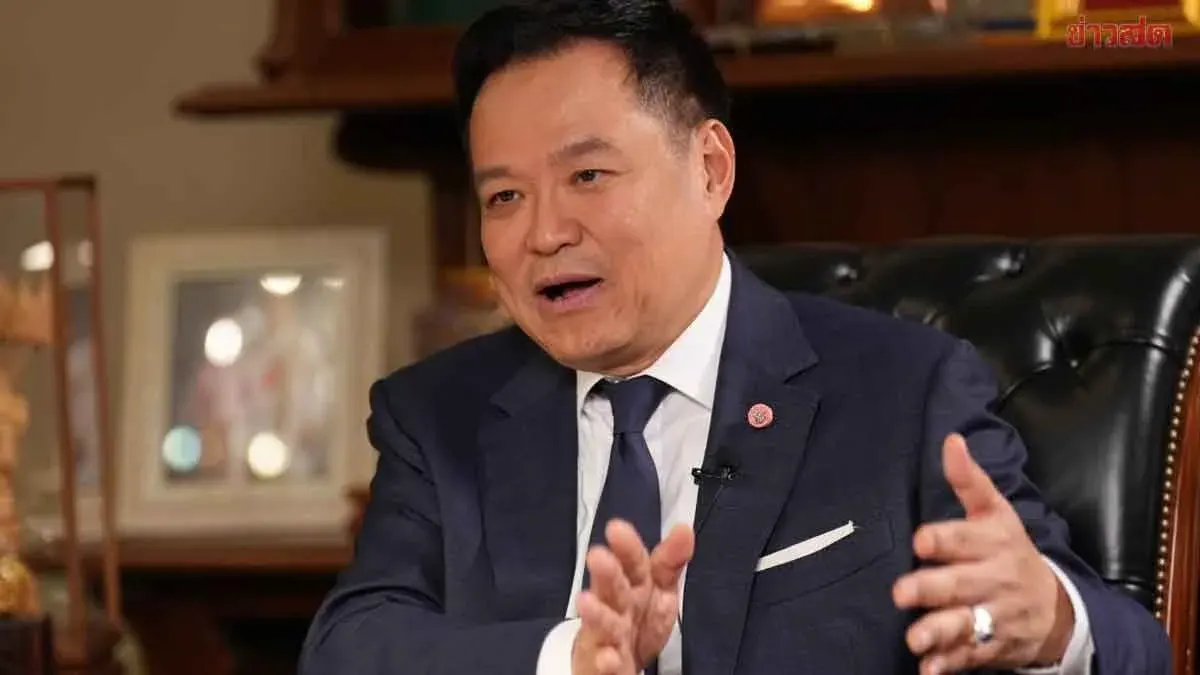
PM Plans to Phase Out 91 Octane, Boost E20 Biofuel
Prime Minister Anutin Charnvirakul announced a long-term plan to phase out 91 octane gasoline pumps and expand E20 biofuel availability, saying cars up to 15 years old can safely use E20. The policy aims to cut fossil fuel imports by about 20%, reduce capital outflow, and boost incomes for sugarcane and cassava farmers by increasing ethanol demand. B20 biodiesel consumption has already nearly doubled to 10–11 million litres daily after price incentives.
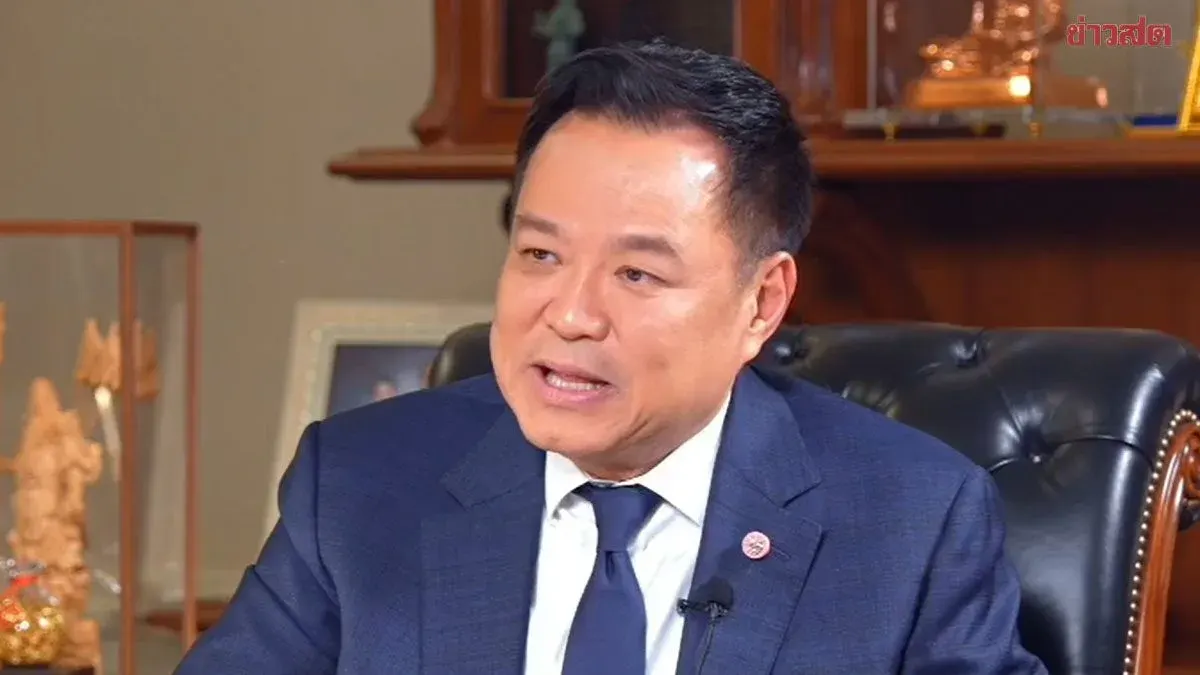
At 9:05 a.m. on November 14, 2026, Prime Minister and Interior Minister Anutin Charnvirakul spoke on the program "Talk with PM Anutin" about promoting bioenergy use. He said the government is pursuing every avenue to ensure continuous energy supply in all forms — gas, oil, or renewable energy from nature. The top priority is giving the public access to energy at the lowest possible cost, while urging citizens to use more biofuels.
The PM noted that over the past two to three weeks, public interest has grown and biodiesel consumption — especially B20, which is about 10 baht cheaper than regular diesel — has nearly doubled to 10–11 million litres per day from 6 million litres previously. The indirect benefit is cutting fossil fuel imports by roughly 20% per day, while boosting incomes for Thai farmers, particularly oil palm growers, as a spin-off from the government's energy cost reduction policy.
Regarding E20, after cutting its excise tax, daily consumption has risen noticeably from about 4 million litres to 6–7 million litres. However, some motorists remain uncertain about E20's impact on engines. The government has received assurances from both academia and car manufacturers that vehicles from roughly the past 15 years can run on E20.
Long-term, the government must demonstrate that E20 gasoline delivers equivalent performance, which requires reducing pumps for certain fuel types. Phasing out 91 octane is a long-range plan, while premium 95 octane will remain available. Since 91 octane gasohol is similar to E20 but priced differently, the government may cut 91 octane pumps and add E20 pumps to increase availability.
As public confidence in biofuels grows, consumption will rise, simultaneously lifting incomes for sugarcane and cassava farmers — crops Thailand already has strong potential to grow. Beyond agriculture, sugar, flour, and processed goods, the leftover bagasse and cassava pulp can be turned into ethanol, reducing burning by extracting ethanol for blending into E20.
The PM acknowledged that cutting non-E20 fuels is difficult because of multiple production formulas, so the government must balance usage and consumption shares, as people still use B7 diesel and 95 octane gasoline. Incentives are needed. Past measures have aimed to lower fuel prices, cut production costs, and ease living expenses, while seeking public cooperation — because without public adoption of biofuels, the policy yields no benefit.
Thailand stands to gain reduced import dependence, lower import volumes, less capital outflow, and higher demand for agricultural or energy crops. The approach must be holistic. This is not a brand-new policy but action under existing frameworks, rolled out in stages as key factors become ready.