Abhisit Criticizes Government's Minimal Fuel Refining Cut
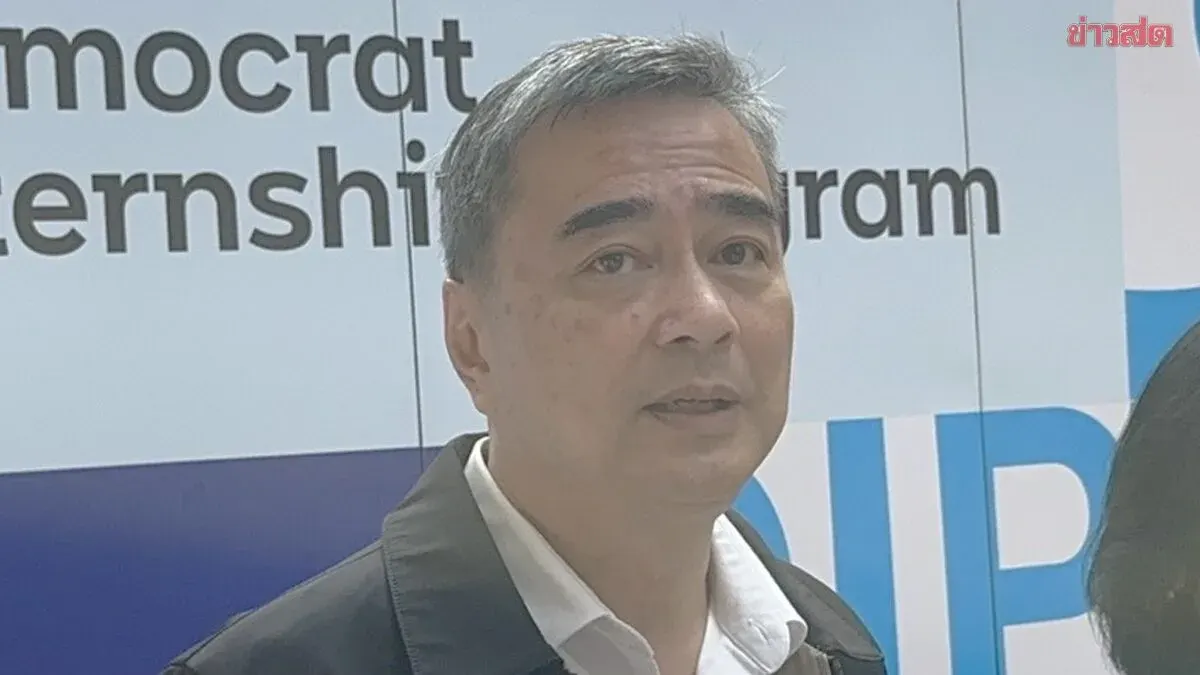
Abhisit Vejjajiva criticized the government's deal with oil refineries to cut fuel refining costs by just 2.40 baht per liter, saying it falls short of structural reform needed to address Thailand's energy pricing crisis.
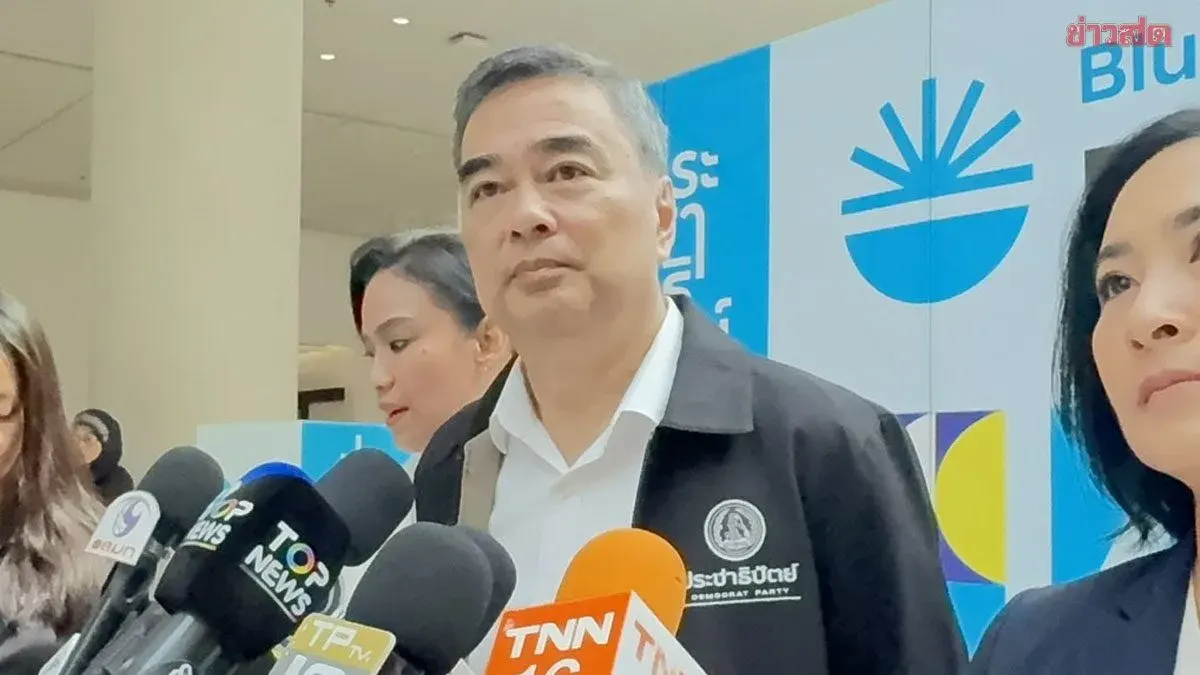
At 9:20 a.m. on July 25, 2569 at parliament, Abhisit Vejjajiva, Democrat Party leader and party-list MP, revealed that the party had expected the Energy Ministry to address structural problems, but remained concerned about oil prices. He noted that after months of discussion, the government appeared to be moving away from structural reform.
Abhisit stated that the government's negotiation with refineries to reduce refining costs to 2.40 baht per liter was inadequate, especially given that normal refining costs are higher. He criticized the lack of a clear formula or excess-profits tax mechanism, calling the negotiations opaque in their calculation basis.
The Democrat Party asserted that the 2.40 baht reduction falls short of what is achievable. If the government acted seriously on this issue combined with excise tax reforms, it would not need massive sums from the Oil Fund. Currently, the Oil Fund must compensate for 7-8 baht per liter while consumers still bear the burden, Abhisit said.
On electricity, he noted the same problem exists. The Democrat Party had previously proposed adjusting the electricity rate formula when natural gas prices were high, but no action was taken. While the government claims it will not use short-term relief measures and instead pursue structural reform, Abhisit expressed skepticism, noting the government still appears focused on finding money rather than fixing the underlying system.
When asked whether he would speak directly to the Energy Minister, a former Democrat member, Abhisit said informal consultations occur but the party wants systematic solutions. He emphasized that current structures allow middlemen to gain excessive profits, and by international standards, such cases warrant systematic mechanisms to help citizens. Abhisit concluded that despite the government's own admission of major structural issues, concrete changes remain unclear.