Anutin Orders Shutdown of Illegal E-Waste Plants in Prachinburi
Deputy Prime Minister Anutin Charnvirakul ordered the closure of illegal e-waste factories in Prachinburi after inspections revealed hazardous waste being misrepresented as fertilizer. He launched legal action against operators and referred the case to the DSI for a corruption investigation. Anutin also announced a November 30 ban on exporting precursor chemicals for mineral extraction and addressed cross-border river pollution from Myanmar.
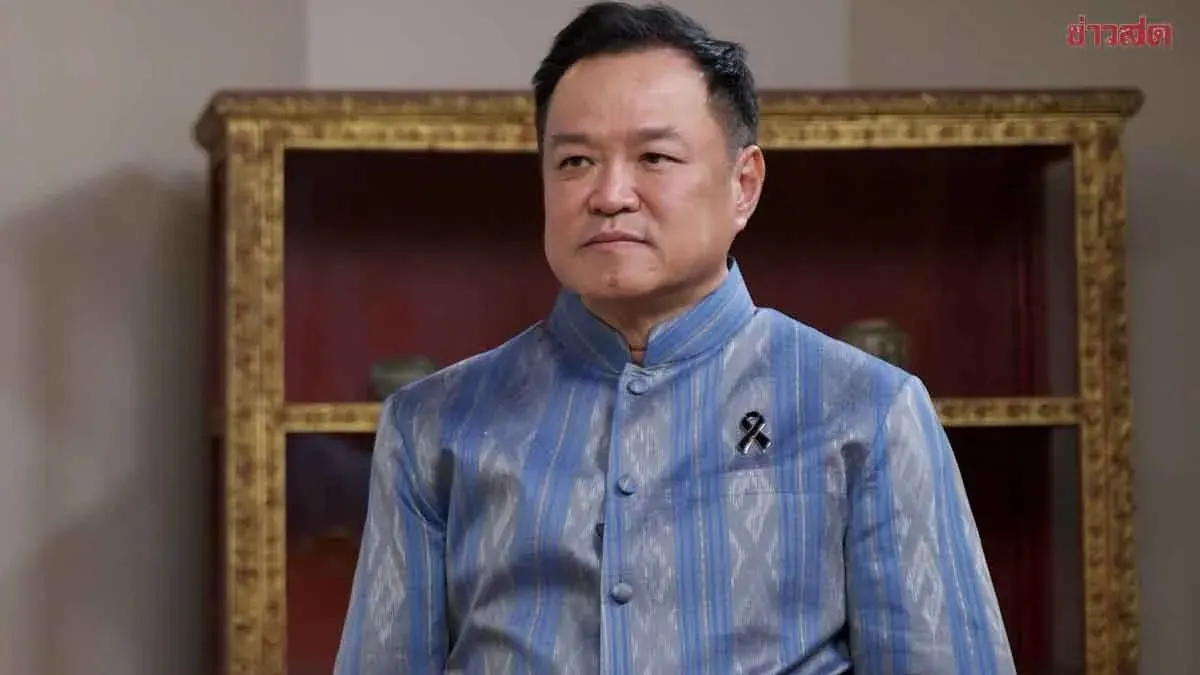
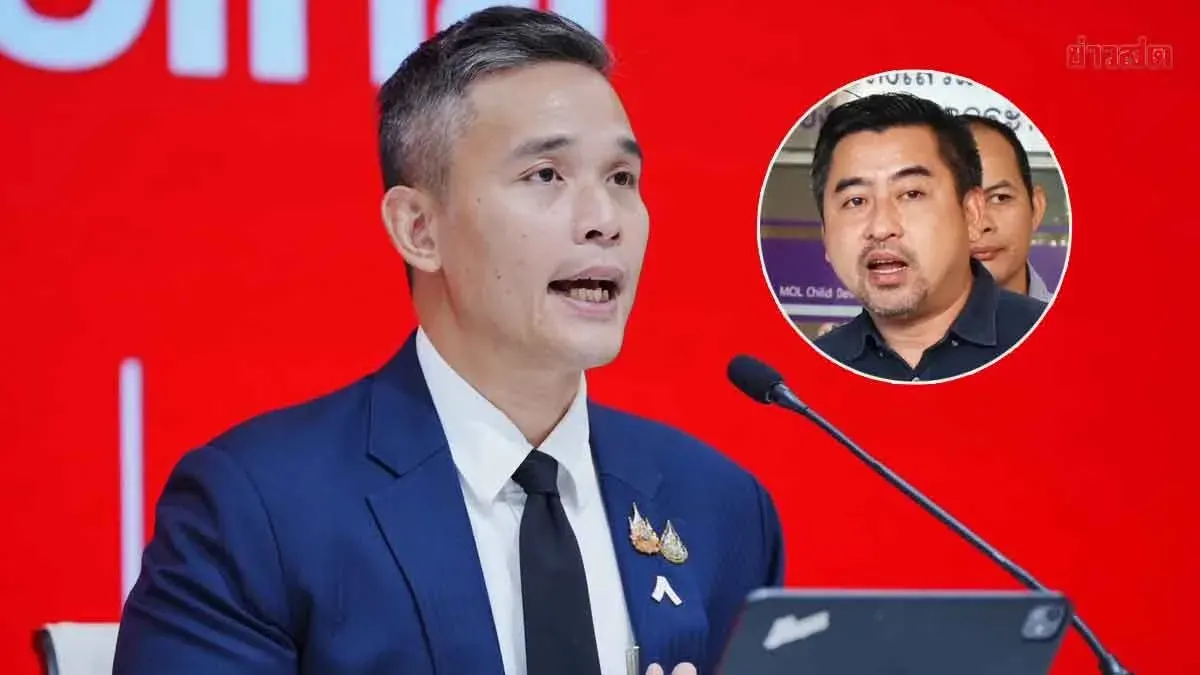
On November 28, 2026 (2569 BE), Deputy Prime Minister and Interior Minister Anutin Charnvirakul disclosed on his program 'Talk with PM Anutin' the results of an inspection of electronic waste disposal factories in Prachinburi province. He described the situation as 'worse than imagined' and questioned how such illegal operations could persist without state officials' knowledge.
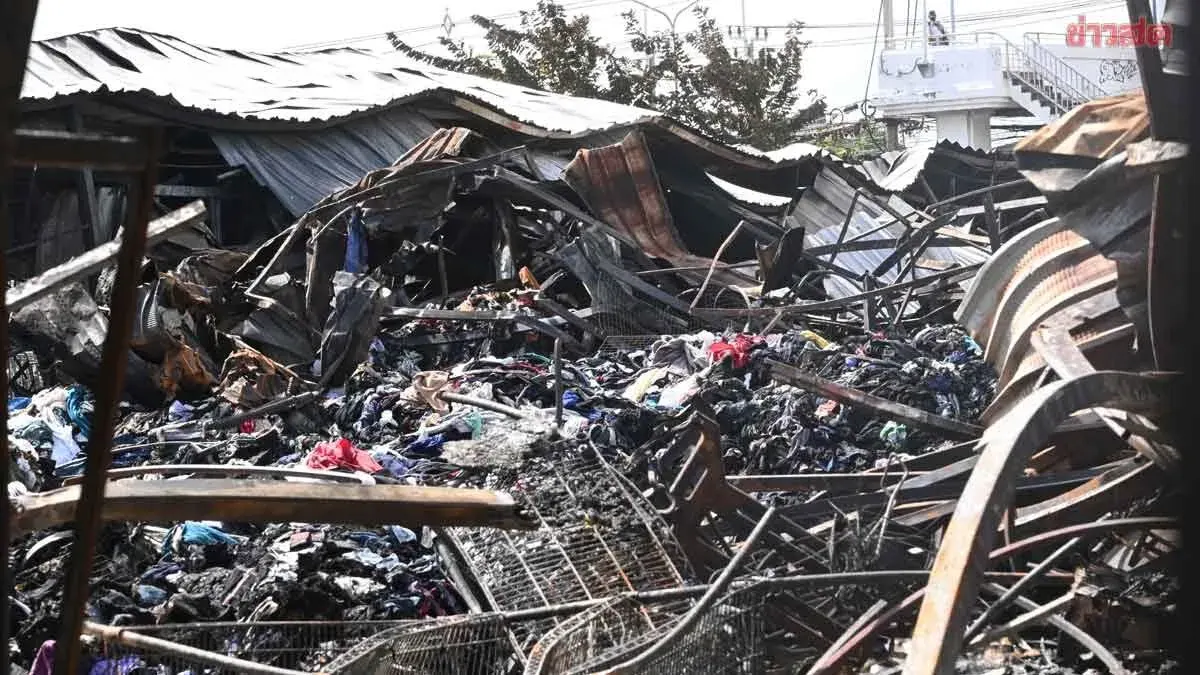
Anutin stated that large amounts of e-waste were found on site. Operators extracted valuable materials such as copper and aluminum, but the remaining waste was not properly disposed of. Some residue was ground into fine powder, mixed with soil, and given to villagers under the false claim it could be used as fertilizer. Proper industrial waste disposal requires a complete process from reception, sorting, to final disposal via licensed landfill or incineration — a costlier procedure than dumping waste on the public.
'They grind it dry, mix it with soil, and hand it to villagers. Is that not wicked? Beyond being irresponsible and illegal, they pass off the entire hazard as usable fertilizer,' Anutin remarked.
Of the seven factories in the inspected area, only two held valid licenses. Additional unlicensed factories were also discovered, prompting a review of the permitting process, oversight mechanisms, and the responsibilities of local agencies.
The illegal factories have been ordered closed, and legal proceedings will be pursued against owners, shareholders, directors, and operators. The DSI has been asked to take the case as a special investigation to expand the scope to potential corruption.
'These operations cannot survive on their own without cooperation from state officials. Given the scale of what we saw, that point is inevitable,' Anutin said.
Anutin also addressed the smuggling of industrial waste from abroad. While Thailand prohibits the import of electronic waste, misdeclarations and container-loads of waste — some compressed into large blocks — have been found entering the country. Some businesses operate legally as a front but import waste in violation of conditions or fail to complete the disposal process. When the public complains, authorities must inspect and prosecute all involved.
Regarding foreign nationals committing serious offenses in Thailand, Anutin said they would face deportation. He also noted amendments to ministerial regulations to empower the Interior Minister to act more swiftly against undesirable persons. Those who have acquired Thai citizenship will be handled under relevant laws.
On pollution in the Kong, Sai, and Ruak rivers, Anutin linked the contamination to mining activities and sediment from the Myanmar side flowing into Thailand. He has formally notified Myanmar that it must take responsibility for the impacts. During a recent trip to China, Anutin raised the issue with Chinese leaders, as some mineral smelting products are exported to China. The Chinese side confirmed cooperation.