PM Anutin Orders Crackdown on Smuggled Toxic Waste
Prime Minister Anutin ordered stricter import inspections to crack down on smuggled hazardous waste after Customs returned over 10 million kilograms to origin countries last year.
Prime Minister Anutin Charnvirakul is moving forward with a crackdown on transnational hazardous waste, ordering stricter inspections of imports and revealing that over 10 million kilograms of dangerous waste were returned to their countries of origin last year, emphasizing that Thailand must not become a dumping ground for foreign toxic waste.
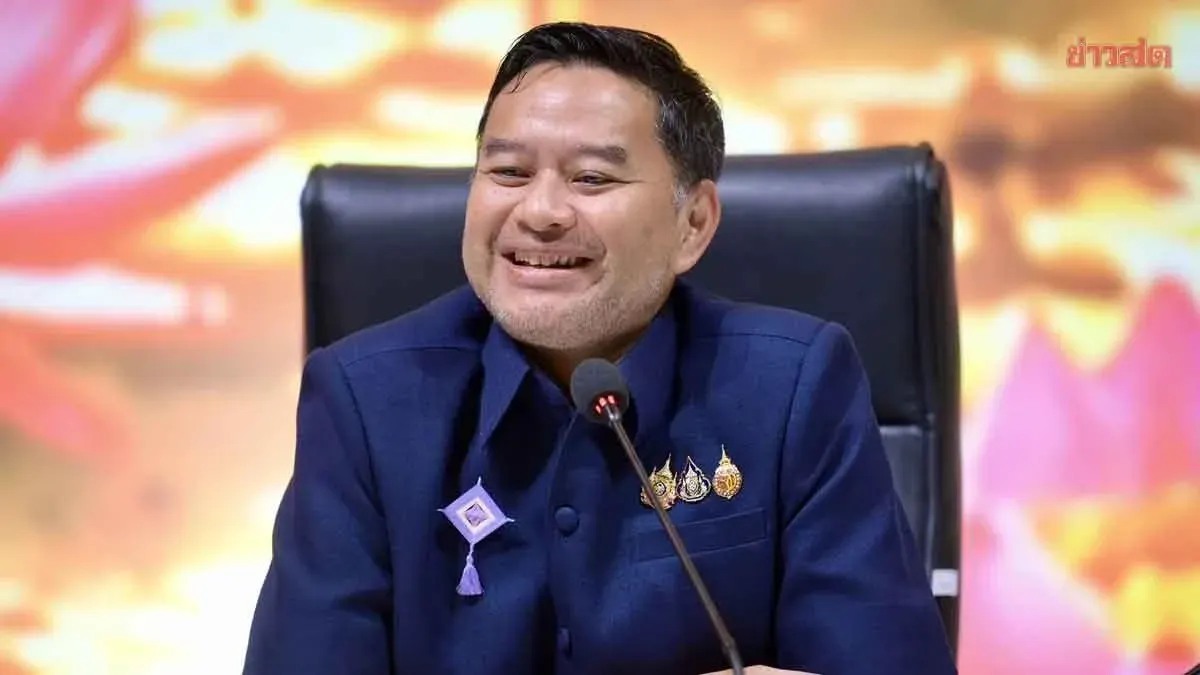
On November 3, 2026, government spokesperson Lalida Periswitana disclosed that the administration under Prime Minister Anutin Charnvirakul places high importance on preventing and suppressing the smuggling of hazardous waste and dangerous materials from abroad, especially waste potentially linked to illegal business operations or "gray" capital groups, which pose threats to the environment, public health, and national security. She stressed that Thailand must not become a repository for foreign hazardous waste.
Lalida said the Prime Minister is deeply concerned about public safety and does not want Thai people affected by smuggled toxic waste and hazardous substances. Meanwhile, Deputy Prime Minister and Finance Minister Ekniti Nitithanpraphas has ordered the Customs Department and relevant agencies to increase strictness in inspecting imported goods, particularly those at risk of contamination with hazardous waste, including misdeclaration of product types, to prevent international trade channels from being used to smuggle toxic waste into Thailand.
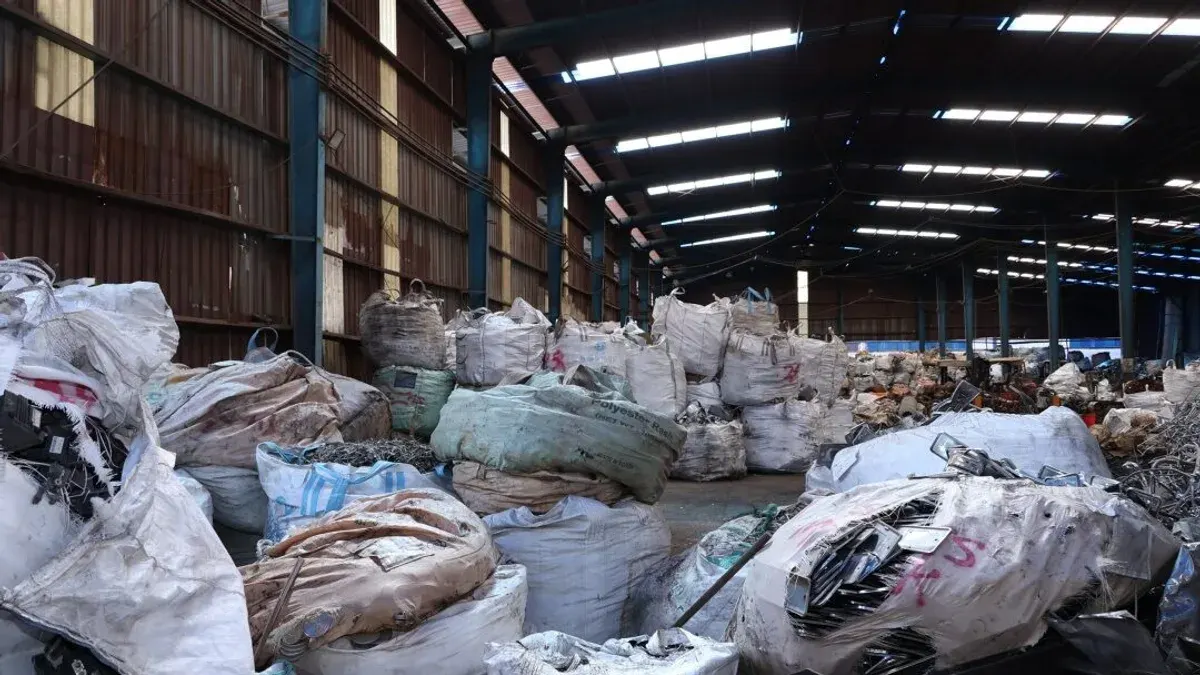
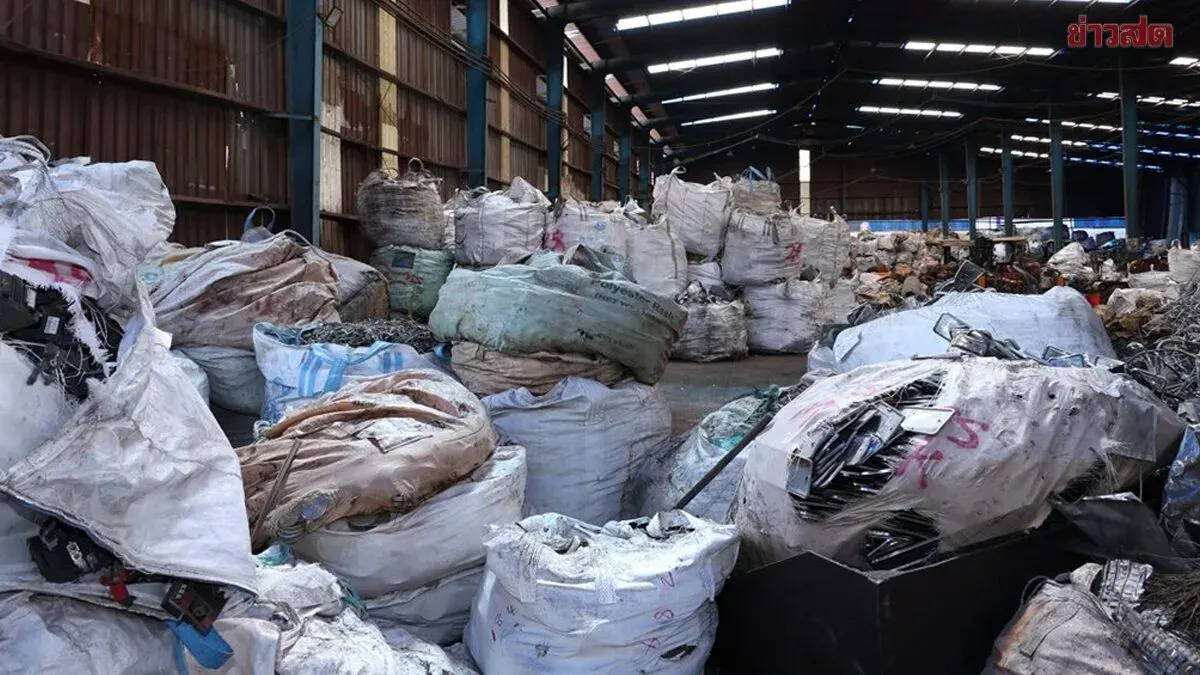
Customs reported that in the past year it seized waste and electronic scrap mixed with imports and returned over 10 million kilograms to their countries of origin, highlighting the need to elevate inspection measures and prevent misdeclaration to intercept hazardous waste at the import stage before it is stored or disposed of improperly within the country.
Lalida added that Customs will coordinate with the Foreign Trade Department and the Pollution Control Department to establish contaminant thresholds for imports and stricter importer qualification criteria to close loopholes used for smuggling waste and electronic scrap, enhance screening of high-risk goods, and create verifiable import standards.
The government views solving the smuggled hazardous waste problem as requiring systematic action, from verifying documents and declared product categories, screening at customs checkpoints, setting contaminant standards, to enforcing laws against violators. Certain hazardous wastes can contaminate soil, water sources, and the environment, impacting public health and creating long-term remediation cost burdens.
Lalida affirmed the government's full support for officials, including stricter inspections, inter-agency data integration, and legal action against offenders to prevent them from profiting from hazardous waste smuggling while shifting environmental and health burdens onto the Thai public.
"The government prioritizes public safety above all. Customs' seizure and return of over 10 million kilograms of waste and electronic scrap to origin countries last year reflects the importance of strict inspections, but solving the problem cannot stop at seizures alone. The government is therefore determined to elevate preventive measures, close import loopholes, and integrate inter-agency work to ensure Thailand does not become a..."