Anutin Rejects Cambodia's UNCLOS Approach, Border Talks Stall
Prime Minister Anutin Charnvirakul said Thailand rejects Cambodia's unilateral move to take their maritime dispute to UNCLOS arbitration, which has stalled bilateral negotiations. Anutin told Cambodian PM Hun Manet that direct talks must precede any compulsory settlement, and warned Thailand would halt all negotiations if Cambodia persists with the compulsory approach. Border demarcation and landmine clearance cooperation should continue despite the impasse.
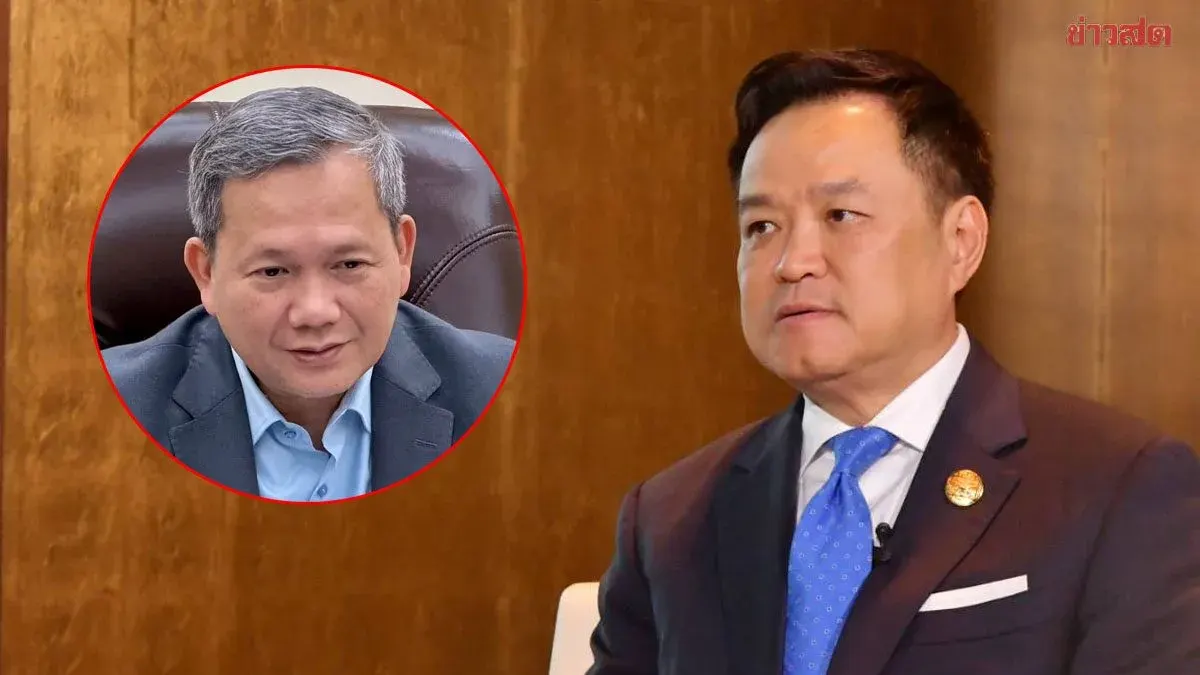
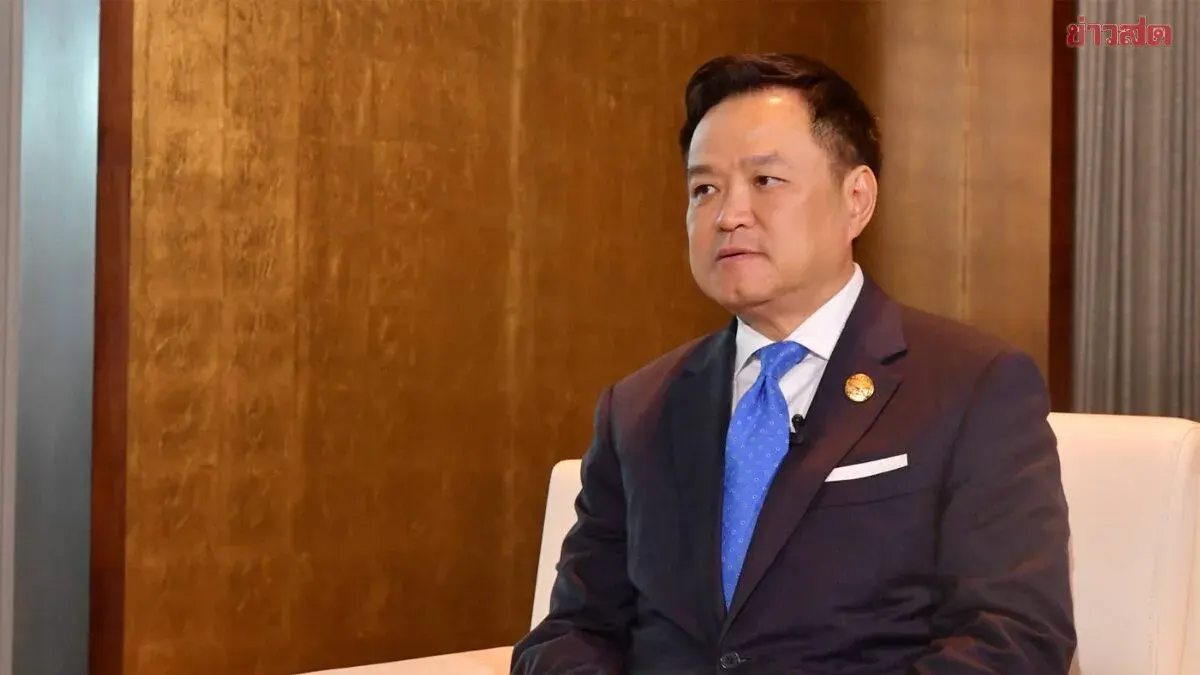
Prime Minister Anutin Charnvirakul disclosed details of his conversation with Cambodian Prime Minister Hun Manet during the NBT program "Talk with PM Anutin," broadcast while he was in Xian, China for the APEC summit after attending the ASEAN Summit in the Philippines. Anutin said his familiarity with fellow leaders had improved significantly compared to last year, and that he had the opportunity to meet with Hun Manet.
Anutin said they discussed how to restore relations by first addressing outstanding disagreements and finding common ground for parallel cooperation. He told Hun Manet there was one issue Thailand absolutely could not accept: Cambodia's move to take the dispute to UNCLOS arbitration. Anutin urged Hun Manet to begin with direct bilateral talks first.
Anutin explained that if an impasse is reached, only then should compulsory dispute settlement begin. However, Cambodia chose to initiate compulsory procedures first, which Anutin likened to "entering a dead-end alley and walking out the front" — not aligning with Thailand's objectives. Hun Manet reportedly responded that whether negotiations are compulsory or not is secondary, but urged talks to continue while insisting Thailand should not halt border demarcation talks.
"I said once you use compulsory procedures, Thailand's position is to stop all negotiations. As long as the term 'compulsory' remains, other negotiations must stop by implication," Anutin said.
Anutin added that if Cambodia maintains its compulsory approach, Thailand cannot proceed with other talks normally and must find a way for both sides to return to dialogue. However, he stressed border demarcation remains necessary so both nations clearly know their territories, and could serve as a starting point for rebuilding trust if mutually acceptable principles are found.
Anutin said reopening border checkpoints was not discussed, but cooperation on landmine clearance should continue due to ongoing dangers to civilians and soldiers along the border. "If we don't start building anything, there will be no opportunity to negotiate anything. Our borders must be demarcated because we need to know what is Thailand and what is Cambodia."
During the APEC summit in Xian, Anutin also discussed with Chinese President Xi Jinping the issue of toxic pollution in northern rivers originating outside Thailand, which Thailand cannot address alone domestically and must resolve through diplomatic channels. He noted that proposed boycotts or trade bans on related goods are not feasible since those products do not enter Thailand directly. Instead, the government is using diplomatic channels to explain impacts and request cooperation, achieving at least one concrete result: cooperation on establishing water toxicity monitoring stations using Chinese technology to jointly monitor and track the problem.