Bung Chawak Zoo Budget Falls Short for 454 Seized Animals
Bung Chawak Zoo in Suphan Buri cares for 454 confiscated wild animals across 53 species but faces a persistent budget shortfall despite a recent increase to 4 million baht annually. Since 2012, the facility has taken in large animals including tigers and lions, relying on prior keeper data to ease their transition. The zoo attracted 170,000 visitors last year, generating 4.4 million baht, while prioritizing animal welfare through naturalistic enclosures.
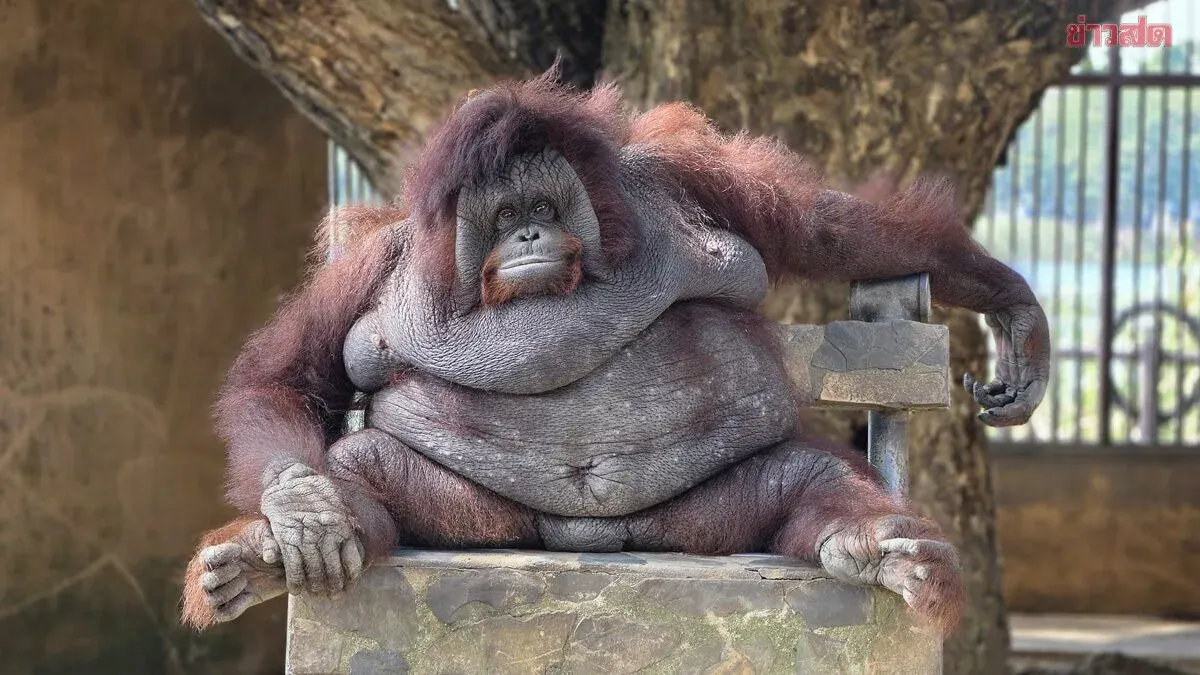
On November 13, 2026, at Bung Chawak Zoo — the Bung Chawak Wildlife Management Development Center under the Department of National Parks, Wildlife and Plant Conservation — Montrie Kaengkhetkan, chief of the Bung Chawak Wildlife Sanctuary and head of the center, disclosed that the facility currently cares for 454 confiscated wild animals across 53 species. The center receives an annual budget of 3.5 million baht, increased to 4 million baht for fiscal year 2027, but this still falls short of actual expenses. The agency plans to submit proposals for additional support from relevant departments, which have provided assistance annually.
Montrie said that since 2012, Bung Chawak has continuously received large confiscated animals such as six tigers and three lions, along with smaller species like leopard cats. The staff uses baseline information from previous owners to adapt feeding and husbandry practices, helping animals adjust to new caregivers and zoo routines, especially younger animals that adapt faster than adults.
Daily care varies by species. For tigers and lions, keepers start work at 6:00 AM to prepare for the 8:00 AM visitor opening, with a veterinary team providing close supervision. Confiscated animals with former owners are placed under the zoo's permanent care with no return to original owners and no breeding within enclosures.
Last year, Bung Chawak generated approximately 4.4 million baht in revenue from about 90,000 adult and 80,000 child visitors. Peak periods occur before school breaks when large student groups visit on field trips. The agency continues to focus on enclosure designs that allow animals to exhibit natural behaviors, reducing stress and maintaining high welfare standards while ensuring safety for both staff and visitors.