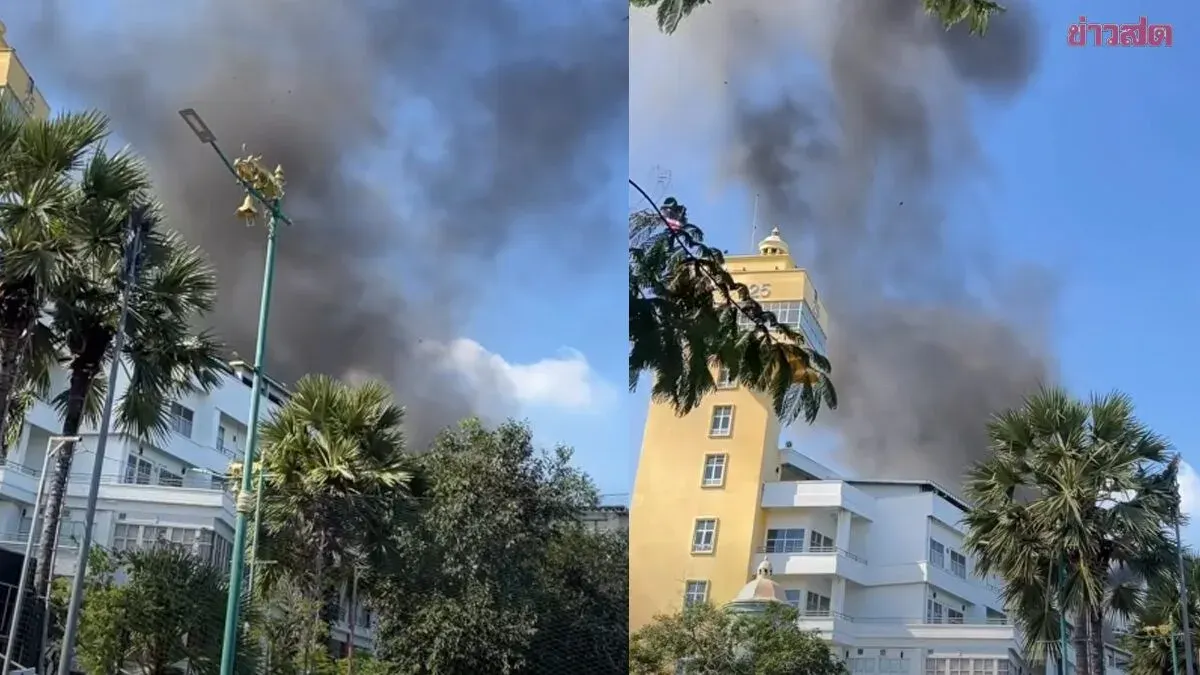
Buriram Villagers Protest Sugar Factory Over Pollution Fears
Over 200 villagers in Buriram's Chamni district protested against a proposed sugar mill and biomass power plant expansion, citing fears of chemical pollution like that seen in Prachinburi. The demonstrators, primarily jasmine rice farmers, argued the project threatens their livelihoods, water sources, and air quality. The deputy governor accepted their petition and promised multi-party talks by December 15.
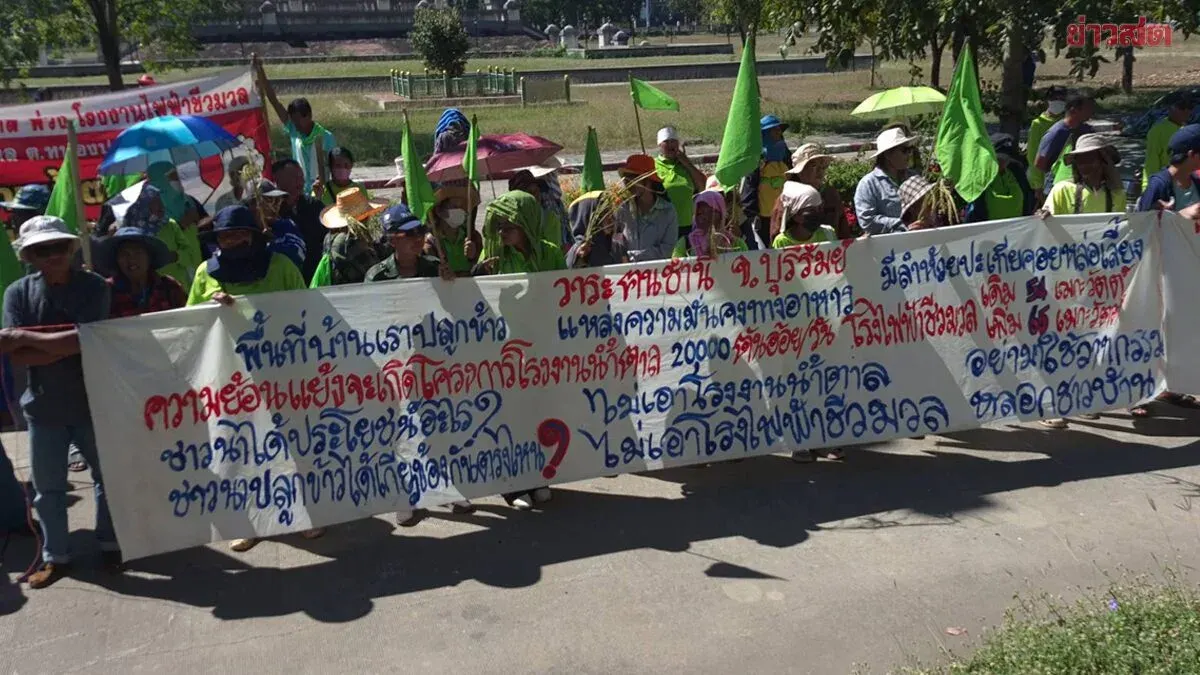
Over 200 members of the Ozone Love Homeland group and local villagers from Chamni district, Buriram province, gathered at the provincial hall on November 27, holding signs and submitting a letter opposing the construction of a sugar factory and a biomass power plant project that plans to expand capacity from 54 to 65 megawatts by a private investment group in the area. Protesters used loudspeakers to declare their opposition, stating that Nong Plong subdistrict is not a sugarcane-growing area but a jasmine rice cultivation zone covering over 5,000 rai. They argued the factory would directly affect farmers' livelihoods, the ecosystem, air pollution, and PM2.5 dust levels. They also noted the proposed site is near communities and the Lam Pa Thao river, a vital water source for locals and Buriram province. Deputy Governor Siritham Ratchakaeo, along with representatives from the Provincial Justice Center, received the petition and held preliminary talks. The province agreed to set a date, time, and venue for joint negotiations between the factory and villagers by December 15, opening a dialogue stage for both sides, which satisfied the protesters before they dispersed. In, a 69-year-old villager representative, said locals rely on farming and raising cattle for survival. If a sugar factory is built, it will affect animal feed sources and risk chemical contamination, similar to the environmental problems in Prachinburi province. When asked if she expected results from this petition, having submitted two previous ones with no outcome, In replied bluntly that she had little hope. In the past, villagers felt abandoned; although state agencies claim neutrality, locals see them as standing in the middle of the ocean rather than standing with the people.