Cabinet Defers Civil Servant Early Retirement Over Budget Concerns
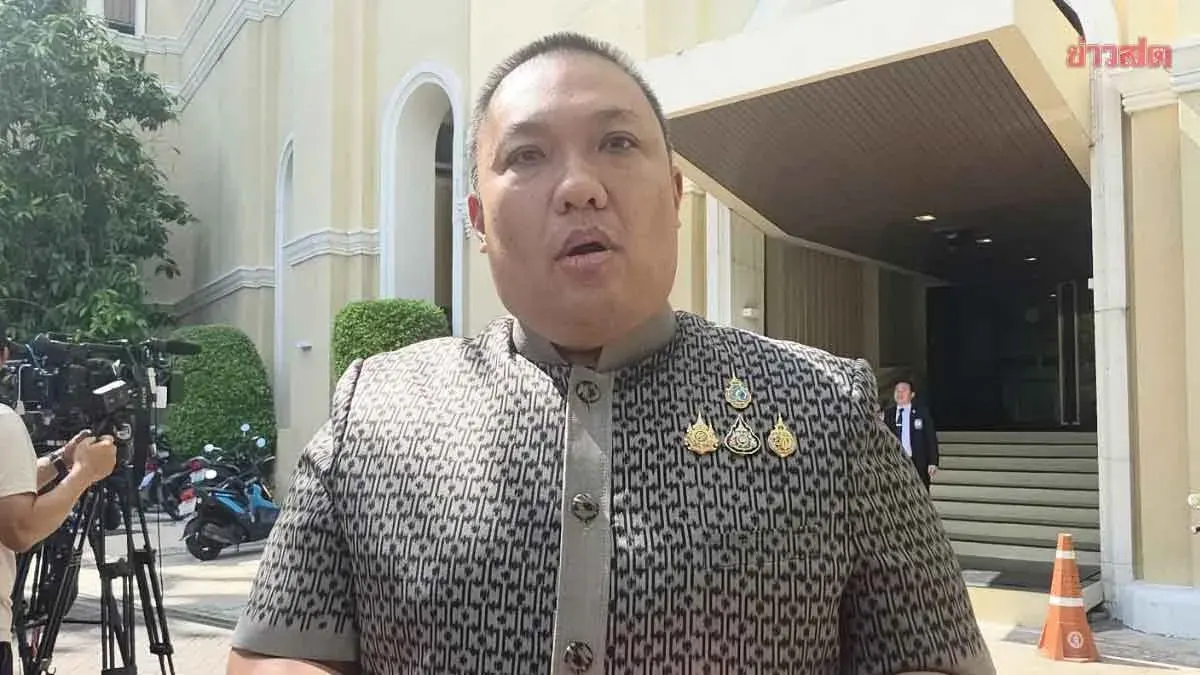
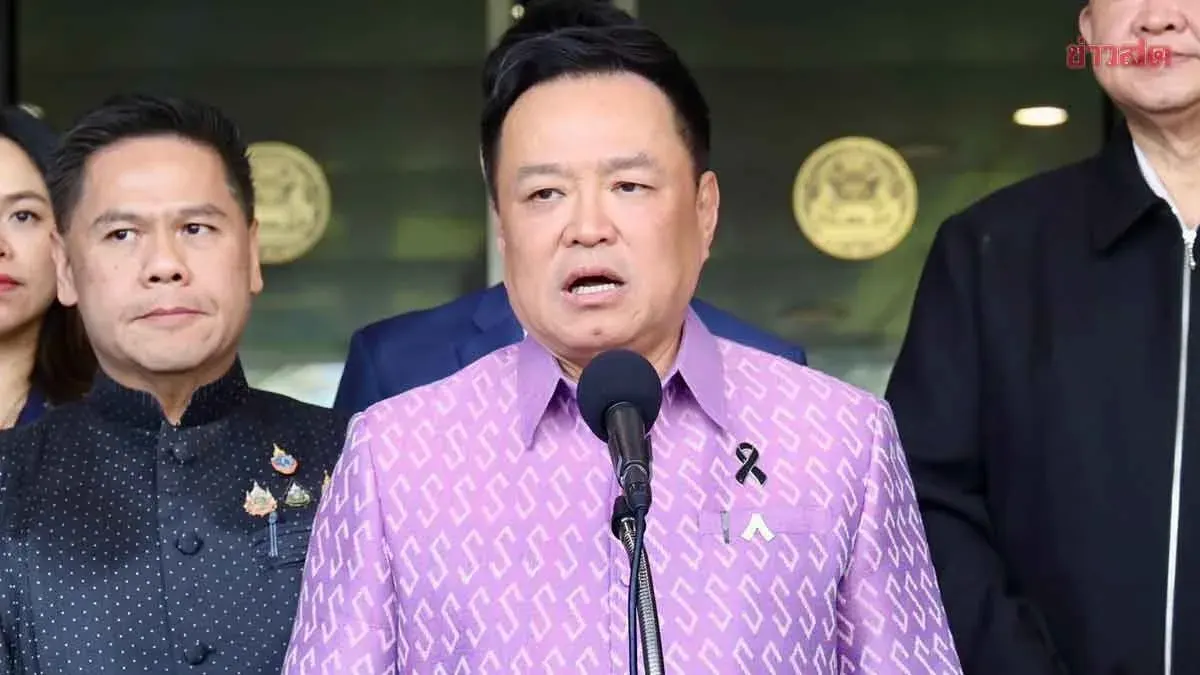
Prime Minister Anutin Charnvirakul said the Cabinet has not approved the early retirement program for civil servants, sending it back for review of its 20-billion-baht cost and effectiveness. He stressed the need to ensure positions are permanently cut and the state does not lose skilled staff while still funding 70% of their pensions for life.
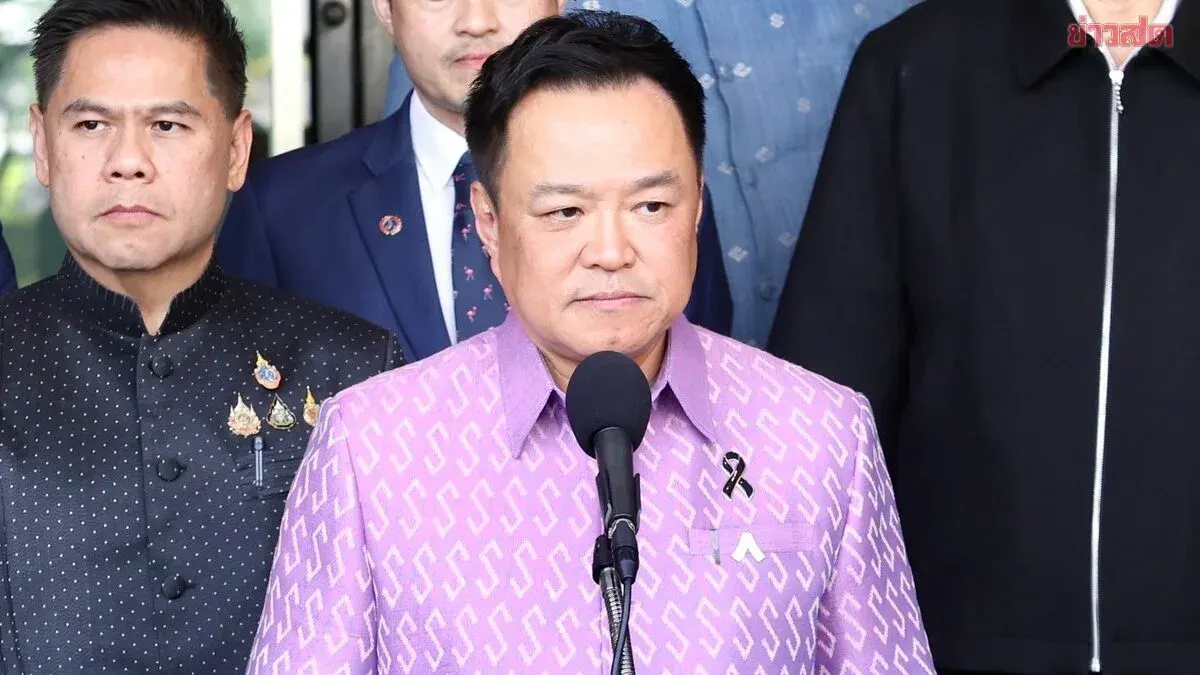
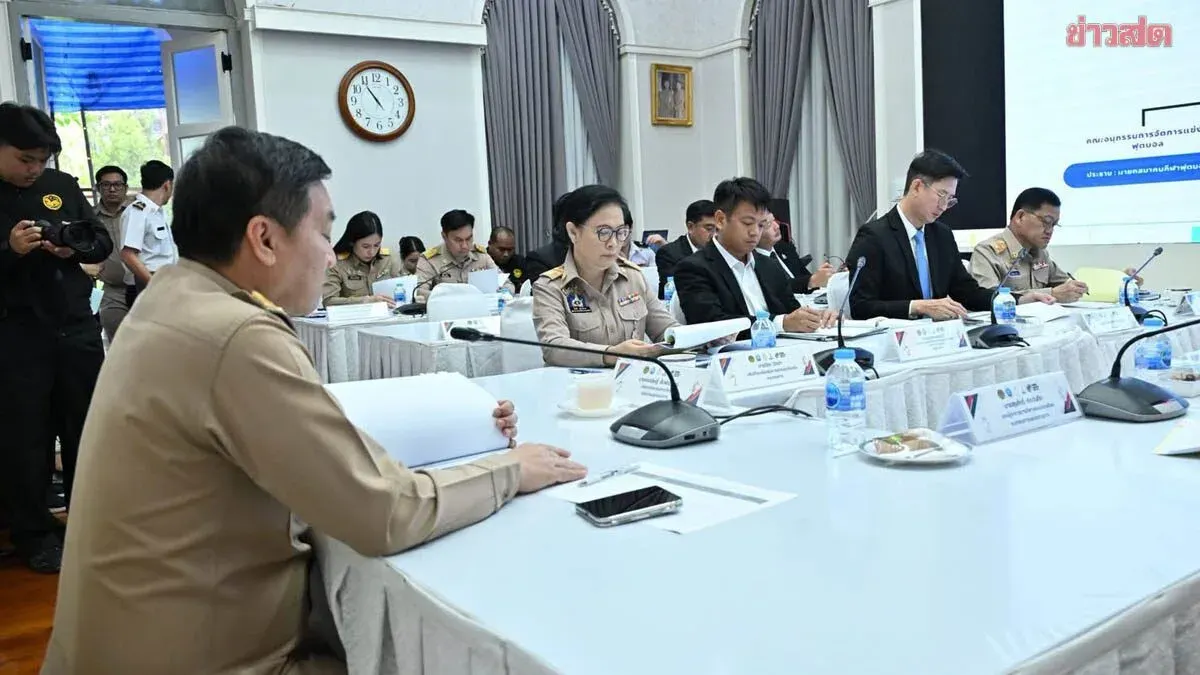
At 1:00 p.m. on November 24, 2026, at Government House, Prime Minister and Interior Minister Anutin Charnvirakul disclosed after chairing a Cabinet meeting that the Cabinet has not approved the early retirement measure for general civil servants. He assigned relevant agencies to review the details again, covering both the budget and the policy's effectiveness in truly reducing the state's burden. He emphasized this does not mean rejection, but that multiple issues must be examined carefully before resubmission to the Cabinet.
"A key point to consider is whether, once a civil servant joins the early retirement program, the position will be permanently eliminated — not that the agency comes back in two years asking for a new post, which happens all the time. With the current limited budget, the government must spend money for maximum benefit," Anutin said.
Asked about the various formulas proposed by the committee led by Pakorn, including the maximum 18-times lump sum and the timeline for resubmission, the Prime Minister said only to proceed as quickly as possible, adding that the state has not yet lost anything because immediate implementation would require a budget of over 20,000 million baht, so pros, cons, and benefits must be weighed first.
The PM said the concern is a scenario where the state loses money, personnel leave, but work efficiency does not improve, and before long the vacant positions must be refilled. Confidence must be built that these problems will not occur. Asked if he viewed the proposal as still not thorough, Anutin said the Cabinet has considered it carefully; the proposers think from the civil servants' perspective, while the Cabinet, as the executive, must consider all angles comprehensively.
"The principle of early retirement is to reduce headcount and sever ongoing obligations — a private-sector approach. But in the bureaucracy, there are continuing obligations regarding pensions. Even understanding the lump sum and acknowledging it cannot be 100% compared to the private sector, the key principle is: if the state spends money for a civil servant to leave for a new path, the organization must also benefit," the PM said.
Asked about concerns that the law still allows those who take the payout to re-enter government service, Anutin said that point has not yet been reached and is not a worry. However, he noted that even after early retirement, the state still bears at least 70% of the current salary as a pension for life, so it must be considered whether that is worthwhile against the initial large budget outlay.
The PM added that using such a massive budget might cause the state to lose good, capable personnel while still being responsible for their pensions, so careful consideration is needed. He stressed: "I am not saying No."