Chiang Rai Locals Avoid Tap Water Over Arsenic Fears
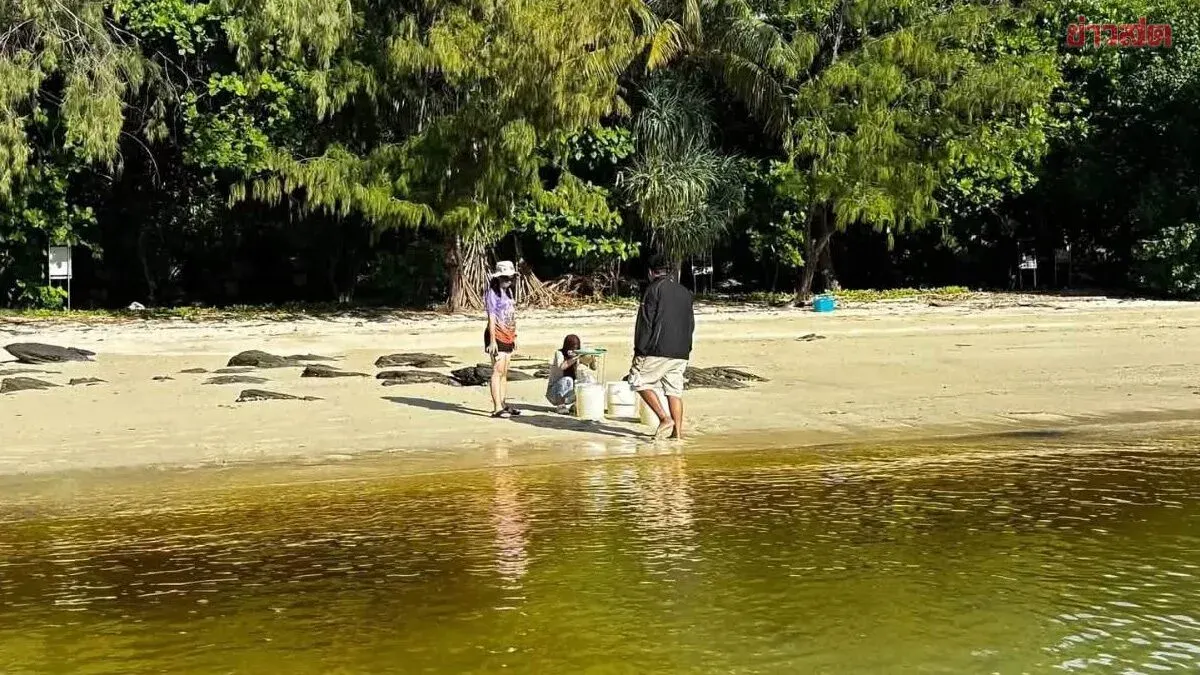
Chiang Rai residents in Mae Sai district remain reluctant to drink tap water despite government assurances of its safety, fearing arsenic and heavy metal contamination from upstream mining. Many have switched to bottled water for consumption and avoid eating locally caught fish. Authorities say water quality tests meet standards, but distrust persists due to ongoing pollution in the Kok, Sai, and Mekong rivers.
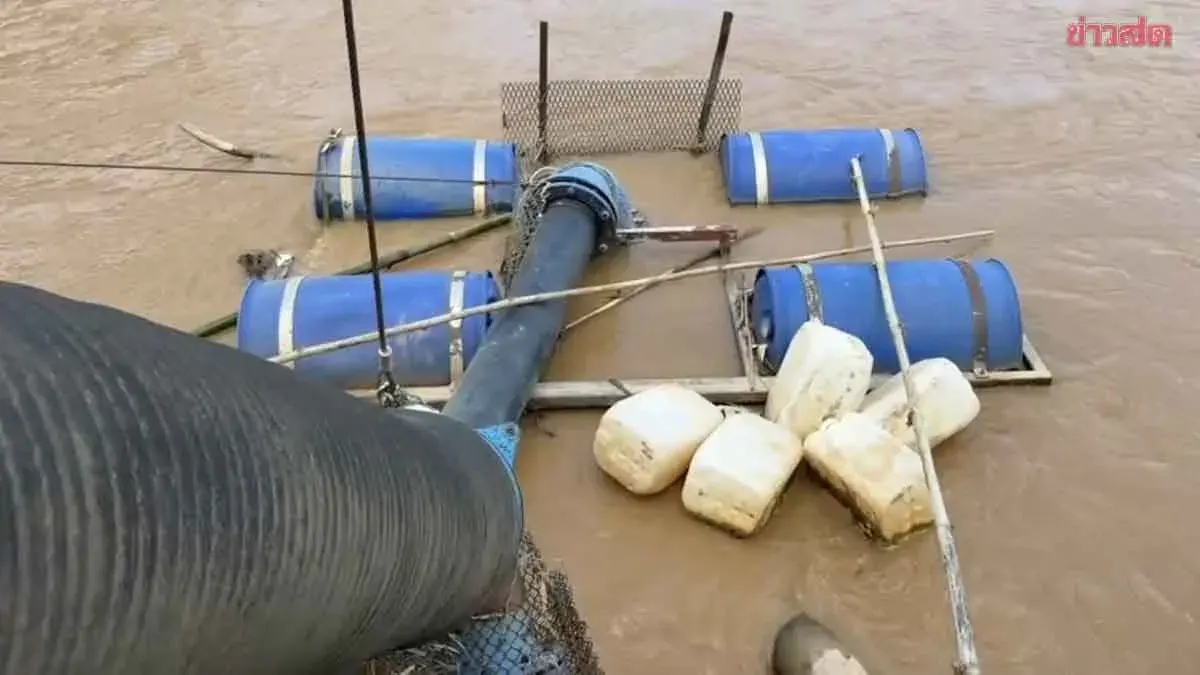
Chiang Rai residents remain fearful of toxic substances and dare not drink tap water, worried about arsenic contamination even though the state insists it is safe. They have turned to buying bottled water for drinking and cooking, and avoid eating fish from local water sources to prevent health impacts.
November 15, 2026 – Reporters noted that the toxic contamination crisis exceeding standards in the Kok River, Sai River, and the Mekong basin has persisted for a long time without resolving the root cause, while arsenic, lead, and cadmium continue to threaten people's health, livelihoods, and lives.
Although government agencies have confirmed that tap water produced by the Provincial Waterworks Authority Mae Sai Branch is safe and can be consumed normally, a field survey of local opinions found that some villagers still lack confidence and dare not use tap water for drinking or cooking because they remain concerned about toxic contamination from mining areas upstream.
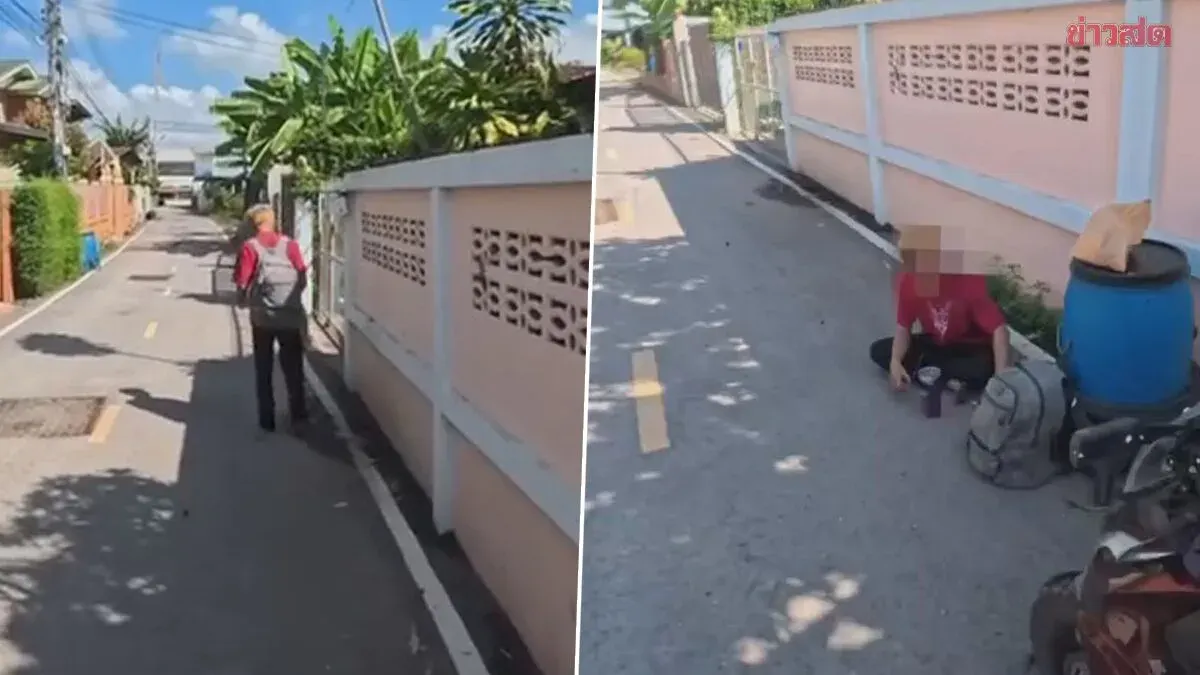
A motorcycle taxi driver operating at the First Border Checkpoint in Mae Sai District revealed that he still does not dare consume tap water as before. He has had to change his behavior, buying bottled water for both drinking and cooking. Tap water is now used only for bathing and washing dishes. He said he has not experienced any abnormal symptoms or allergic reactions from contact with the water, but admits he still worries and must use tap water because there is no alternative.
Most of the concern stems from news reports of toxic and heavy metal contamination that may flow into water sources from upstream mining areas, causing the public to remain distrustful of safety despite the state's confirmation of water quality test results.
In addition, some villagers have reduced or temporarily stopped consuming fish caught from local water sources to prevent risks and avoid long-term health impacts.