Civil Society Submits Huas Case Evidence to Opposition Coalition
A civil society group submitted evidence on the Huas political scandal to opposition leaders, naming nine officials including the Prime Minister for review as the Election Commission continues its investigation with a mid-August deadline.
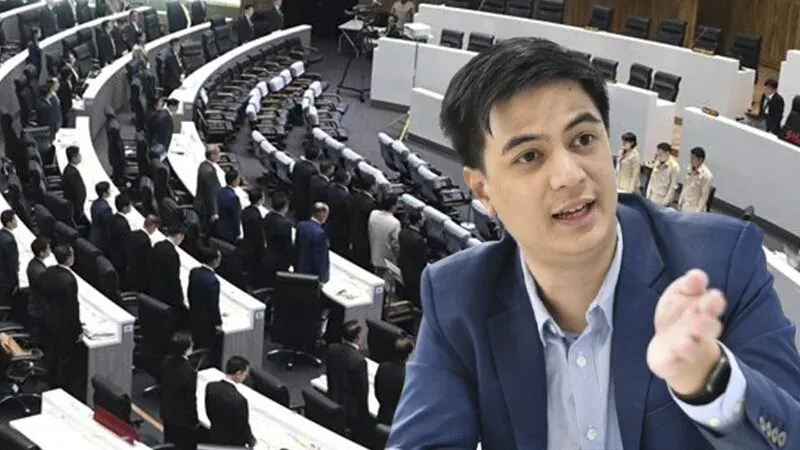
A public interest group called Internet for Public Law (iLaw) has submitted evidence related to the Huas case to Priset Vachrasindhu, chair of the opposition coalition coordination committee. The group compiled the evidence starting in 2568 (2025) and argues that while the Election Commission has reviewed it, the opposition has a duty to scrutinize the government since senior officials face allegations in the case. Nine individuals—including the Prime Minister, cabinet ministers, ruling party MPs, and a former House deputy speaker—have been named for opposition review.
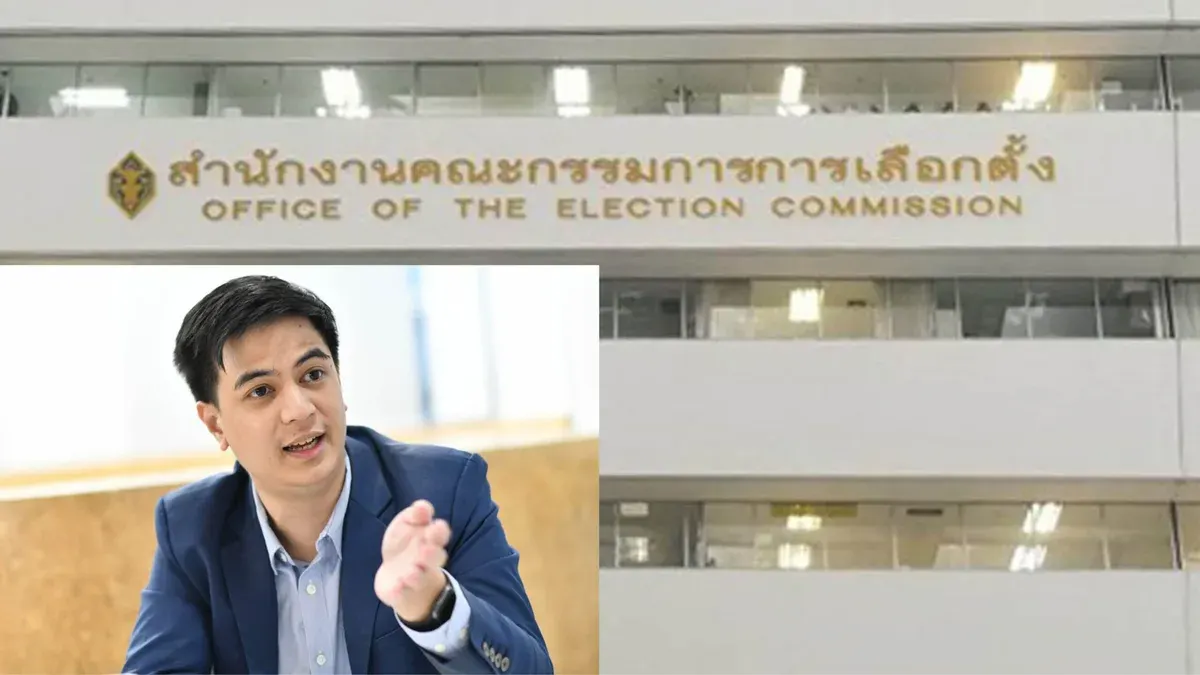
The outcome of the opposition's investigation into the Huas case remains to be seen. Election Commission chair Nrong Klanvarindr stated there is nothing to worry about, confirming that the examination is proceeding on schedule with four more rounds of consideration remaining and substantial progress already made. Commissioner Sithichote Intrawisase, one of seven commissioners, confirmed progress with seven charges filed and additional charges being pursued. Critical aspects involving political figures remain under review, with the commission expecting to conclude by mid-August.
The Huas case is a major political scandal that has damaged parliament, the legislature, and democratic processes. After the Election Commission received the case, it established an investigation committee that recommended charging 229 individuals: 186 senators and senate candidates, and 43 political network members. However, a later subcommittee found the charges baseless and referred the case to seven commissioners for final review on whether to prosecute. Given the extensive evidence presented over years and broad public awareness, the article suggests all 229 individuals should be charged and tried in court rather than selected for prosecution.