Clean Air Bill Clears 7 Disputes, Heads for Passage This Session
Thailand's Clean Air Committee has resolved all seven major disputes on the draft Clean Air Management Act, including penalty levels, provincial governance, and business representation. The bill is now expected to pass both houses of Parliament before the current session ends.
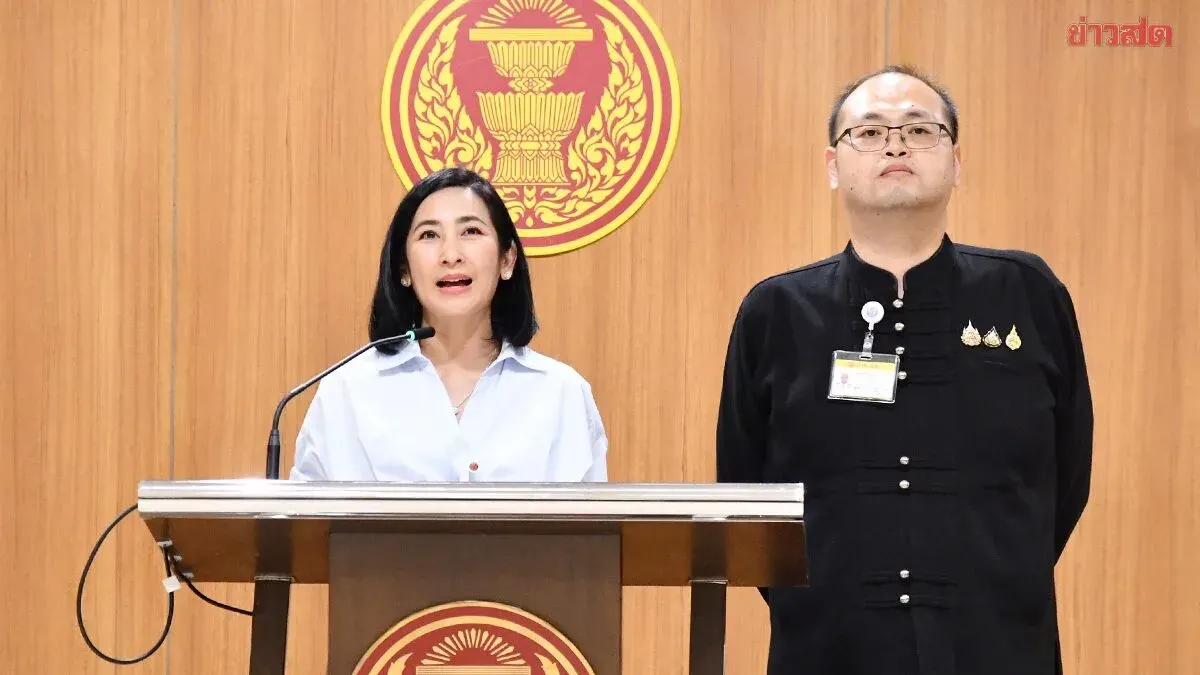
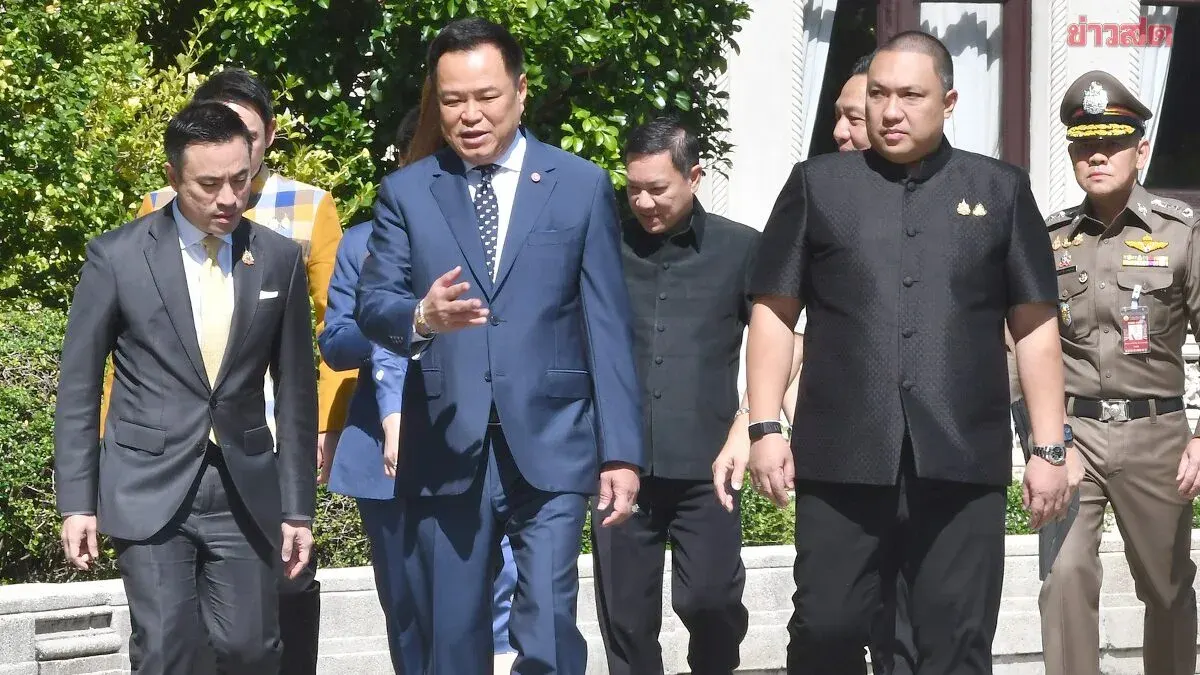
On November 10, 2026, at Parliament, Kanittha Liewpairat, a party-list MP and deputy leader of the Democrat Party, and Phalawat Thansiri, a senator and spokesperson for the Clean Air Committee, jointly briefed progress on the draft Clean Air Management Act. Kanittha said the meeting marked a major step forward: all complex and previously divisive issues had been fully resolved, while five remaining points of disagreement were settled by decisive votes. She expressed confidence that the bill can be enacted before the end of the current parliamentary term.
Kanittha emphasized the committee's careful approach to ensure the law is practical and harmonized with related legislation. Next week, the committee will finalize the entire text, verifying accuracy and wording before submitting it for approval by both the House of Representatives and the Senate.
Phalawat outlined the seven key agreements that will make the act enforceable and effective: 1. Business representation on provincial boards: Up to two private-sector representatives will be added to provincial clean air committees, aligning with the structure of other committees. 2. Reduced criminal penalties: Fines are set at 25 million baht for a first offense and up to 50 million baht for repeat offenses. The committee heard court explanations that judges retain discretion and that these levels are comparable to ASEAN neighbors. 3. Provincial governor as chair: The provincial governor will chair the provincial clean air committee. 4. Pollution project oversight: Sections 78 and 79 were removed and their substance integrated into sections 76 and 77, giving provincial committees authority to define the types and sizes of activities subject to regulation. 5. (Additional points summarized) The remaining agreements cover technical definitions, enforcement mechanisms, and inter-agency coordination to close loopholes.
The committee believes these resolutions pave the way for the Clean Air Management Act to become law during this parliamentary session.