Joint Committee Approves Six Points in Clean Air Bill Ahead of PM2.5 Season
A joint parliamentary committee has agreed on six key provisions in Thailand's draft Clean Air Act, including a one-year transition for the Clean Air Fund, clearer protections for outdoor workers, and emission-based vehicle rules. Lawmakers aim to pass the bill in the current session before the PM2.5 season returns in March, though nine contentious issues — including private-sector roles and penalty levels — remain under debate.
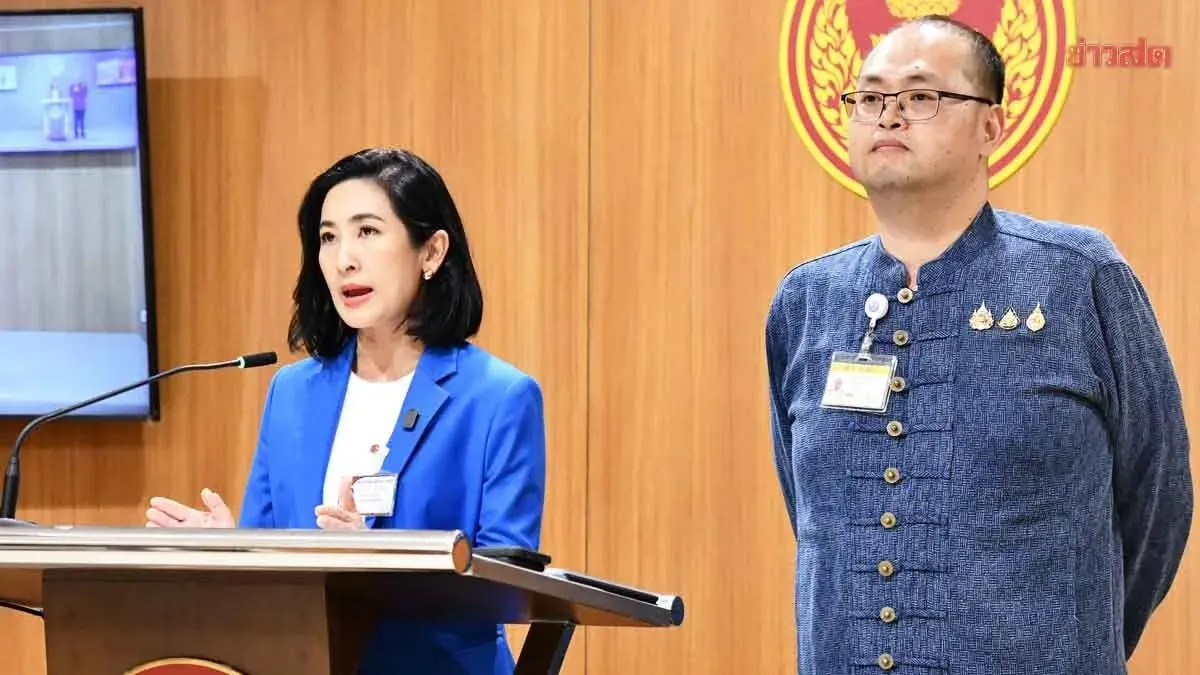
The joint committee reviewing the Clean Air Act draft has reached consensus on six of 15 debated points, aiming to pass the bill in the current parliamentary session before the PM2.5 season peaks around March. Committee spokesperson Kanittha Luewphairojn said members focused on practical enforceability — reducing complexity, eliminating overlapping jurisdictions, and ensuring pollution control targets both sources and endpoints. The framework balances broad stakeholder participation with fair, effective governance.
Deputy spokesperson Phalawat Thansiri outlined the six agreed points: 1) Extending Clean Air Fund enforcement for one year after the act takes effect to allow detailed preparation under the Revolving Fund Act; 2) Refining the definition of vulnerable groups to specifically cover outdoor workers with continuous exposure; 3) Removing the requirement for farmers to install pollution monitoring systems; 4) Preventing duplicate fee collection; 5) Automatically designating clean air officials under ministerial and local authority powers; 6) Managing end-of-life vehicles by focusing on emission standards rather than vehicle age, aligning with the Land Transport Department's authority.
Nine points remain unresolved, including private-sector representation on oversight and fund committees — where conflict-of-interest concerns persist — and criminal penalties, where the Senate proposed reducing fines from 50-100 million baht to 5-10 million baht, sparking wide debate.